How to Test Pool pH Levels Using Pool pH Test Strips
One of the most important aspects of regular pool maintenance is pool water balance. The pH is one of the simplest measurements to track, as it will show the acidity or alkalinity of the water. Regular pH testing can be used to detect changes before water quality, comfort, and other aspects of pool maintenance are impacted.
Pool pH test strips are easy to use and provide accurate pH readings without the need for complex equipment. If you are new to pool water testing, knowing how to use them properly can help you to achieve consistent results.
What Does Pool pH Measure?
The pH scale measures the acidity, neutrality, or alkalinity of water. The water in your pool should be kept within the recommended range for the pool and sanitizing system.
If the pH is below that, the water may be more acidic. If it is too high, then it makes the water more alkaline. In both cases, it can have a negative impact on water balance and can cause problems like cloudiness, scaling, or discomfort.
More regular testing helps you to get a better understanding of when you will need to adjust your pool chemistry.
What are Pool pH Test Strips?
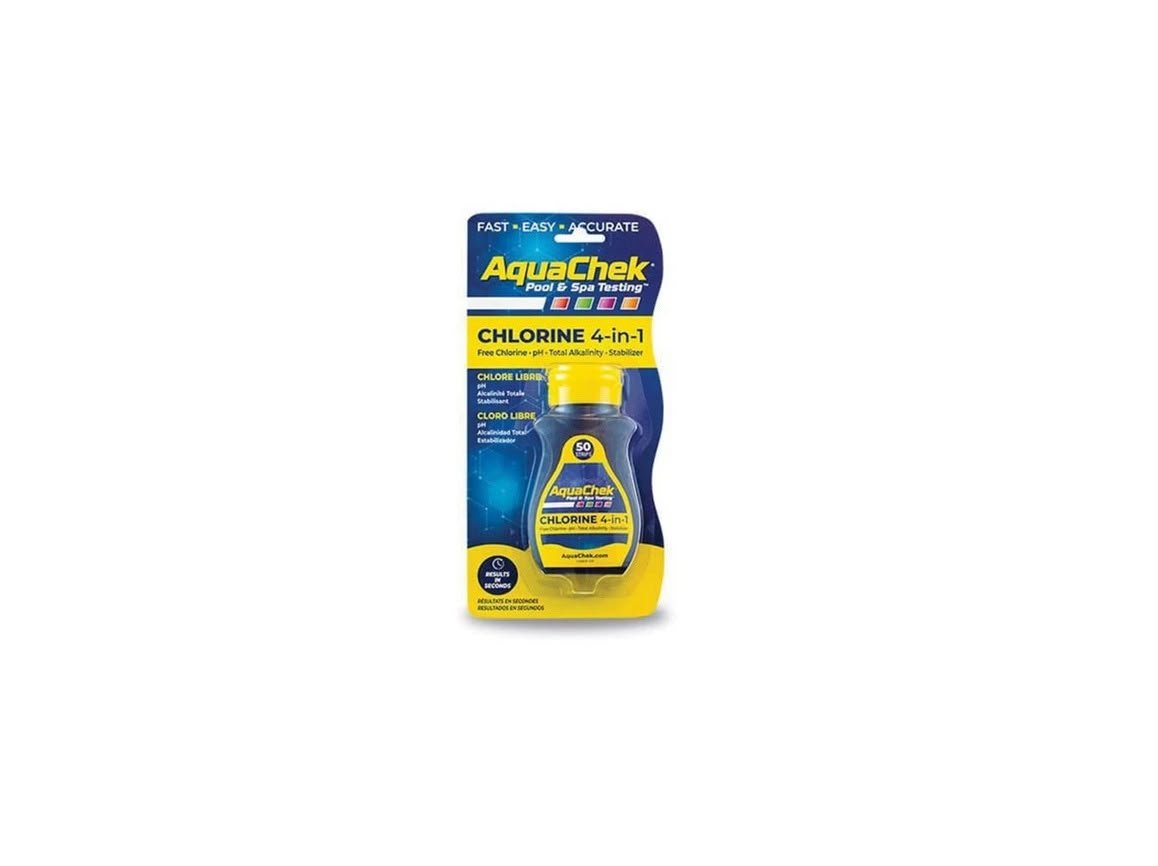
Pool pH test strips are small strips which react to the chemicals found in pool water. A strip can be used to test the pH or multiple water parameters in one test.
Most strips come with a color chart so that you can compare the color obtained on the strip with other pH levels.
They are used because they are convenient and simple to use, as opposed to some liquid testing methods that need to be prepared.
Collect a Proper Water Sample
Read the instructions on your test strips before you take the test. There are different sampling methods that may be used for different products.
Typically, you should use a sample of the water from the pool rather than water that is directly on top. Follow the manufacturer’s recommended depth and location for sampling.
Wait until after the pool chemicals have been added before taking the sample because the water might not be fully mixed. Wait for the required time based on the manufacturer’s instructions given for the particular chemical.
Dip the Test Strip into the Water
Using the strip as directed after collecting or obtaining the proper pool water.
Some strips will need to be just put in the pool, and some will need to be filled in a clean container before.
Don’t leave the strip under water for more than the recommended time. The reaction time is a part of the testing process. If this is followed in accordance with recommendations, it can help to obtain the result to be more reliable.
Compare the Color with the Chart
Once the reaction time is elapsed, the test strip should be compared to the manufacturer’s color chart.
Make the comparison under good lighting so that similar shades can be discerned. If the instructions call for a specific reading time limit, don’t take too long to read the result.
The color should match a pH value or range indicated on the chart. If you test your pool’s chemistry regularly, record the result.
How Often Should You Test Pool pH?
Frequency of testing will vary based on pool use, weather, rainfall, chemical additions, and your pool’s water stability.
Consider testing your pool more often after heavy rain, large water changes, or times when your pool is used more heavily. Regular tests can also be helpful when opening a pool or when changing or adjusting your water-treatment system.
You can get an idea of whether your pH is fairly consistent or if it is constantly shifting by maintaining a simple log of your readings over time.
When Should You Use a Pool pH Test Kit?
Pool pH test strips can be used when a quick and simple test is desired. But it is not for everyone who owns a pool that he or she wants a more detailed form of testing.
A pH test kit for a pool can be liquid reagents or other testing methods that will also give information about water chemistry. A kit can measure pH as well as chlorine, alkalinity, calcium hardness, or other parameters depending on the product.
A wider testing kit might be easier to use than strips if you need to check on several aspects of the pool chemistry.
Tips for More Consistent Test Results
Never store test strips out of the original container, and be sure to close it securely after use. There are some testing products that may be susceptible to moisture; therefore, they should be stored in accordance with the manufacturer’s directions.
Only check the expiry date before testing. Readings may not be reliable on old or improperly stored strips.
You must also not judge colors or timing. Dip, wait, and read each time you perform a test.
Final thoughts
Testing pool pH does not have to be complicated. Pool pH test strips provide a convenient way to check your water regularly and identify changes that may require attention.
For more comprehensive testing, a pool pH test kit can provide additional measurements depending on the product you choose. Regardless of which testing method you adopt, you can keep your pool water chemistry on track during the swimming season by following the manufacturer’s instructions carefully and testing regularly.