What Phoenix, Arizona Mobile Home Owners Should Check Before Selling
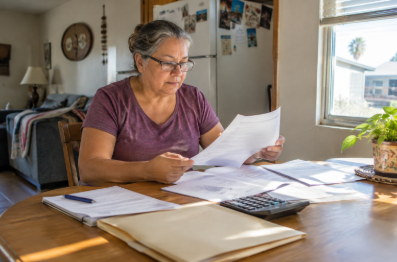
Selling a mobile or manufactured home in Phoenix involves more than choosing a price. Owners may need to coordinate title paperwork, park requirements, repair decisions, occupancy timing, and personal-property removal before a buyer can take possession. Owners comparing their options can also review the process offered by Phoenix Mobile Home when considering a direct sale. For owners who want to evaluate a direct-sale route alongside a conventional listing, Phoenix Mobile Home is a Phoenix-based, family-run buyer that specializes in homes in parks, homes on private land, and homes needing repair or removal. The company is also a licensed Arizona manufactured housing dealer and serves the greater Phoenix area, including Mesa, Glendale, and Apache Junction.
Preparation is especially important in the Valley. Prolonged exposure to intense sun and heat can reveal weaknesses in roof coatings, cooling equipment, exterior finishes, and plumbing. A clear understanding of the home’s legal status and physical condition helps an owner set realistic expectations before comparing offers.
Confirm What You Are Actually Selling
Start by identifying the type of property involved. A mobile home located in a community where the owner rents the space is generally different from a manufactured home on privately owned land. A home may also be permanently affixed to land, or it may remain personal property that could be moved from the site.
That distinction can affect the paperwork, taxes, financing choices, closing process, and who must approve the transaction. If the home sits in a park, the buyer may need to qualify with the community before the sale is complete. If it is on private land, the sale may involve both the home and real estate, which can require a different closing process. Owners comparing direct-sale options can review https://www.phoenixmobilehome.com/ for additional information. When in doubt, ask a qualified title professional or review the home’s records before advertising it.
Review the Title, Registration, and Liens
Locate the original title, registration documents, purchase paperwork, and any loan payoff information. A missing title does not always stop a sale, but it can add time. The same is true of an unreleased lien, a deceased owner on the title, a name change, divorce paperwork, or a missing signature from a co-owner.
Gather supporting documents early if they apply to your situation. These may include identification, trust documents, probate records, death certificates, divorce orders, or a valid power of attorney. Understanding Arizona’s regulations for mobile homes and manufactured housing is a useful starting point for understanding state-level administration of manufactured housing and current requirements. For a complicated ownership history, do not set an inflexible closing date until the transfer steps are clear.
See also: Building a Mental Wellness Plan for Illinois Life
Check Your Mobile Home Park’s Transfer Rules
Park rules can shape the sale as much as the home itself. Contact the park office before accepting an offer and ask for the current transfer process in writing. Important questions include:
- Does the incoming buyer need park approval before closing?
- Are there application fees, credit standards, income standards, or age restrictions?
- Is the community limited to residents age 55 and older?
- Are there rules regarding pets, vehicles, occupancy, additions, or exterior condition?
- Is the lot rent current, and are there unpaid utilities, storage charges, or rule violations?
- What move-out, cleanout, or possession requirements apply if the home will be removed?
Do not assume a buyer can simply take over the space. A buyer who cannot satisfy community requirements may be unable to complete the purchase, even if the seller and buyer have otherwise agreed on a price.
Inspect the Areas Phoenix Heat Affects Most
You do not need to renovate every issue before selling, but you should know what you have. A practical walk-through makes it easier to decide whether repairs are worthwhile or whether an as-is sale better matches your situation.
Focus on these common trouble spots
- Cooling: Test the air conditioner, evaporative cooler, ducts, vents, and thermostat.
- Roof: Look for cracked coating, loose flashing, soft spots, ceiling stains, and signs of prior leaks.
- Exterior: Check skirting, siding, windows, doors, weatherstripping, and sun-damaged seals.
- Plumbing: Look beneath sinks and around the water heater for leaks, corrosion, damaged supply lines, or soft flooring.
- Interior floors: Pay attention to soft areas near bathrooms, kitchens, laundry areas, and exterior doors.
A repair estimate can be helpful, even if you decide not to do the work. It gives you a clearer basis for comparing an as-is offer with the expected proceeds from a repaired and marketed home.
Gather Documents Before Buyers Ask
A prepared seller can respond quickly when a serious buyer requests information. Create one folder, digital or paper, containing the title and registration, park lease or residency documents, recent lot-rent statements, utility bills, tax records, insurance information, repair invoices, warranties, and any estate or trust paperwork. Keep copies rather than handing over original documents until you understand what is required.
Compare Your Main Selling Options
There is no universally best way to sell. Compare each option based on your likely net proceeds and your tolerance for time, repairs, and uncertainty.
- Traditional listing: May provide broader exposure and a higher possible price. It can also require cleaning, repairs, showings, negotiations, commissions, and patience while a buyer seeks financing or park approval.
- Private sale: Gives the owner control over pricing and communication. In exchange, the owner handles marketing, buyer screening, paperwork, scheduling, and coordination with the park or title professionals.
- Direct cash sale: May reduce showings, financing contingencies, repair work, and waiting time. The trade-off is that a direct buyer commonly factors repair costs, resale risk, transport, and administrative work into the offer.
Decide Whether Speed or Maximum Price Matters More
An owner with time to repair and market a well-kept home may prefer a traditional sale. An owner dealing with relocation, probate, major repairs, unpaid lot rent, or a home that must be removed may place more value on a defined timeline and fewer moving parts.
Compare the expected net amount, not just the number at the top of an offer. Ask about commissions, closing charges, park transfer fees, back lot rent, lien payoff, repairs, cleanup, moving costs, and possible demolition or removal expenses. Get every material promise in writing, including who handles title transfer, park communication, possession date, and any work after closing.
A Simple Seven-Step Phoenix Selling Checklist
- Confirm whether the home is in a park, on private land, or part of a real-property sale.
- Locate the title and identify any lien or ownership issue.
- Request current park rules, balances, and buyer approval requirements.
- Inspect the cooling system, roof, plumbing, floors, and exterior.
- Gather records that support ownership, repairs, and occupancy.
- Request more than one selling option when practical.
- Review the written agreement before signing or giving up possession.
Make the Sale Fit Your Situation
A Phoenix mobile home can often be sold even if it needs repairs, is missing a document, or is located in a 55-plus community, but the right process depends on the details. Careful preparation reduces surprises and gives you a stronger position when comparing offers. The best choice is the one that balances price, speed, effort, and certainty for your own timeline.