Understanding Alternative Website Addresses and Safer Online Browsing
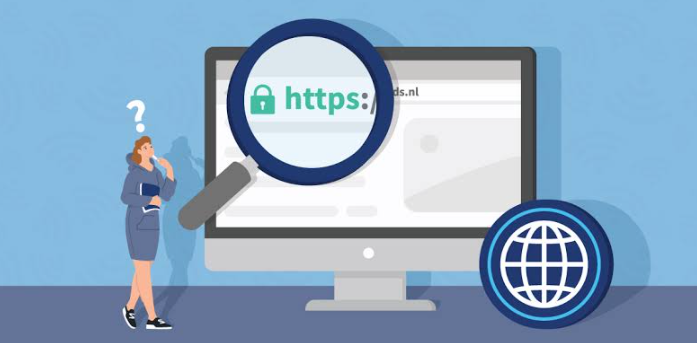
The internet is constantly changing. Websites update their domains, reorganize their infrastructure, change hosting providers, or introduce additional addresses for technical and operational reasons. As a result, users may sometimes encounter more than one website address that appears to lead to the same online service. Understanding why these addresses exist and how to distinguish legitimate alternatives from potentially harmful copies is an important part of responsible internet use.
An alternative website address generally refers to another web address associated with an existing online service. It may provide access to similar content or functions while using a different domain or subdomain. However, seeing a familiar name in a web address does not automatically mean that the website is genuine. Careful verification is therefore essential before entering personal information, creating an account, downloading files, or completing any online transaction.
What Is an Alternative Website Address?
A website address, commonly known as a URL, identifies the location of a particular resource on the internet. Most people interact with URLs through a browser’s address bar, search results, bookmarks, or links shared through messages and social platforms.
An alternative address can be created for several legitimate reasons. A company may operate multiple domains for different regions, languages, services, or technical purposes. A website might also move from one domain to another because of a rebranding exercise or changes to its infrastructure.
In some situations, an organization may maintain a secondary address as a backup. This can help users reach a service when the primary address is temporarily unavailable because of maintenance, technical problems, DNS issues, or other infrastructure-related circumstances.
However, alternative addresses can also create confusion. Someone may register a domain that looks almost identical to a legitimate address and use it to imitate the original website. This is why users should evaluate the address itself rather than relying only on familiar branding or page design.
See also: Building a Mental Wellness Plan for Illinois Life
Why Do Users Encounter Different Website Addresses?
There are several reasons why a person might see different addresses connected with what appears to be the same online service.
Technical Changes
Websites periodically change hosting environments, servers, content delivery systems, or domain configurations. During these changes, an organization may temporarily or permanently use another address.
Regional Requirements
Some international websites use separate domains or subdomains for different countries and regions. This arrangement can help deliver localized content, language options, pricing, or customer support.
Maintenance and Availability
Temporary technical problems can sometimes affect access to a primary website. A legitimate organization may provide another address so that users can continue accessing its services while technical work is underway.
Rebranding or Domain Changes
Businesses occasionally change their names or website domains. When this happens, the old address may redirect visitors to a newer location, while other related addresses may remain active for a period of time.
Unofficial Copies
Not every alternative address is legitimate. Fraudulent websites can imitate established services by using similar names, altered spellings, unusual domain extensions, or misleading subdomains. These copies can be designed to collect passwords, payment details, contact information, or other sensitive data.
How to Check Whether a Website Address Is Genuine
Before using an unfamiliar website, spend a few moments checking its address. This simple habit can prevent many common online security problems.
Examine the Domain Carefully
Look closely at the spelling of the domain. Fraudulent websites may use subtle changes that are easy to overlook, such as an extra character, missing letter, different word order, or unexpected extension.
For example, a genuine address might use a particular domain name, while an imitation could add a hyphen, replace a letter, or insert an additional word. These differences can be difficult to notice when browsing quickly.
Look at the HTTPS Connection
A website using HTTPS encrypts information transmitted between the browser and the website. Most modern browsers display a lock symbol or another security indicator for an HTTPS connection.
However, HTTPS alone does not prove that a website is trustworthy. A fraudulent website can also obtain an HTTPS certificate. Treat encryption as one security feature rather than proof of authenticity.
Find the Address Through an Official Source
One of the strongest ways to verify an unfamiliar address is to locate it through a trusted official channel. Check the organization’s established website, verified social media account, official documentation, or legitimate customer-support communication.
Avoid relying solely on links forwarded through unknown messages, random advertisements, or suspicious posts.
Check for Inconsistent Information
Pay attention to spelling mistakes, unusual wording, missing contact information, broken pages, suspicious downloads, and inconsistent branding. A poorly constructed website is not automatically fraudulent, but several warning signs together deserve caution.
Common Warning Signs to Watch For
Online users should be especially careful when a website unexpectedly requests sensitive information. Be cautious if a page asks for passwords, payment information, identity documents, or security codes without a clear reason.
Unexpected urgency is another warning sign. Messages claiming that an account will immediately expire unless the user clicks a particular link can be designed to encourage rushed decisions.
Users should also be cautious about unexpected downloads. A website that automatically attempts to install software, browser extensions, or unfamiliar files deserves additional scrutiny.
Another important warning sign is a domain that looks almost correct but contains subtle differences. Always read the complete address rather than checking only the first few words displayed on a search page.
Safer Habits When Visiting Alternative Addresses
Good browsing habits can significantly reduce online risks. Keep your operating system, browser, and security software updated so that known vulnerabilities are more likely to be addressed.
Use strong, unique passwords for important accounts. A password manager can help generate and store different passwords without requiring users to memorize every one.
Enable multi-factor authentication whenever it is available. This adds another layer of protection if a password is accidentally exposed.
Avoid entering sensitive information while connected to unknown or unsecured networks. Public Wi-Fi can be convenient, but users should be cautious when accessing important accounts or handling confidential information.
It is also useful to bookmark verified websites instead of repeatedly searching for them. This reduces the chance of accidentally selecting a misleading result or advertisement.
What to Do If You Are Unsure
If you cannot determine whether an address is legitimate, the safest option is to pause rather than proceed. Do not enter passwords, payment details, or other sensitive information until the website has been independently verified.
Try locating the organization through a known official channel and compare the address shown there. If the addresses differ, investigate the reason before continuing.
If you have already entered sensitive information on a suspicious website, change the affected password from a trusted device and review relevant account activity. Where financial information may have been exposed, contacting the appropriate financial institution promptly can also be important.
Final Thoughts
Alternative website addresses are not automatically suspicious. They can exist for practical reasons such as technical maintenance, regional services, infrastructure changes, or domain transitions. At the same time, unfamiliar addresses can sometimes be used to imitate legitimate websites and mislead visitors.
The safest approach is to verify before trusting. Check the complete domain, look for HTTPS, confirm the address through an established official source, and remain cautious when a website requests sensitive information or encourages immediate action.
Ultimately, responsible browsing is less about recognizing one particular address and more about developing consistent habits. Taking a few seconds to verify where a link leads can make a significant difference in protecting personal information and maintaining a safer online experience.