Where Healing Crystals Come from: A Guide to Mining and Sourcing
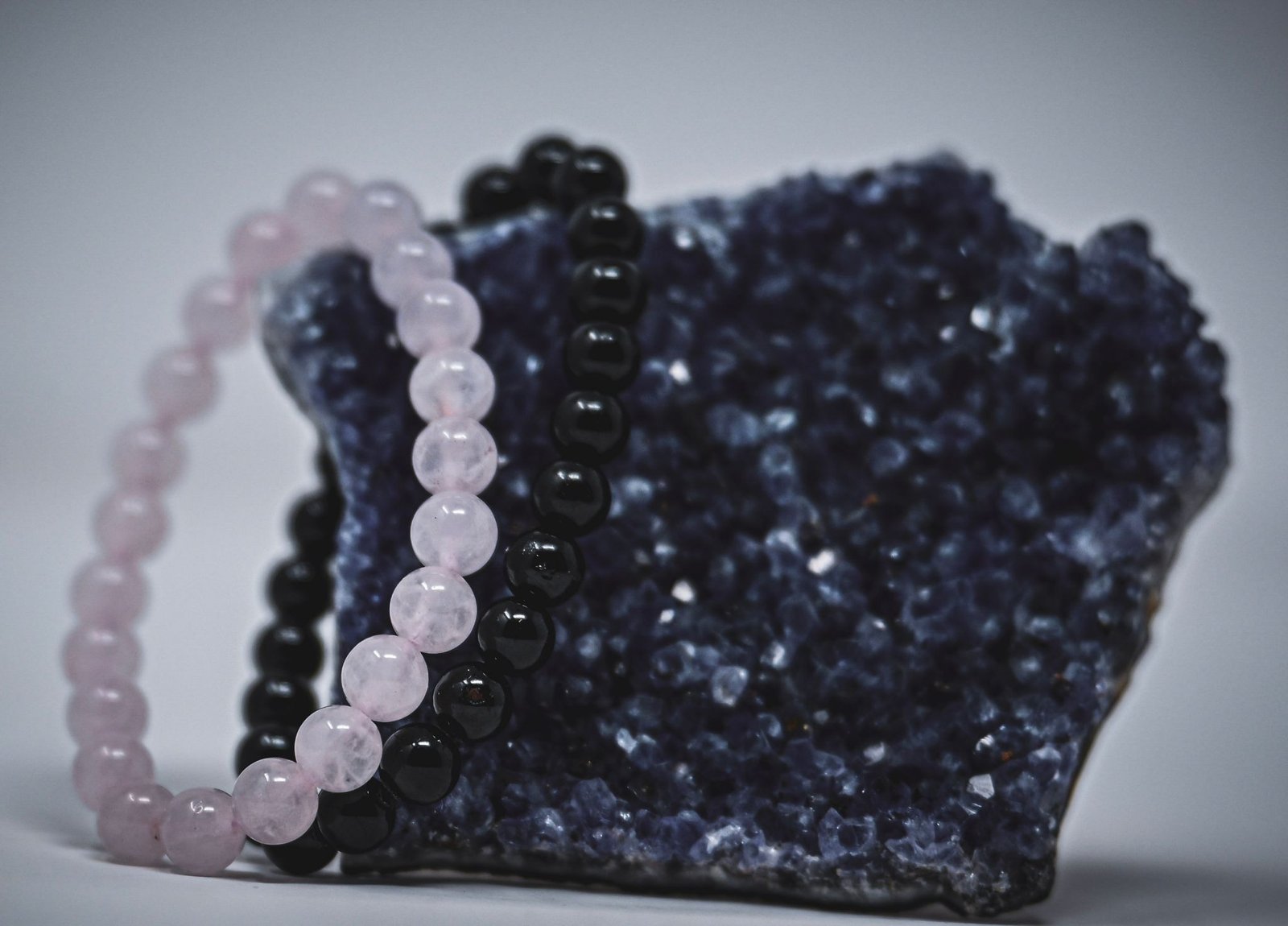
A crystal bracelet looks like it arrived in the world already finished. Polished, named, matched to some intention. It didn’t arrive that way. That stone sat in the ground as rough material for a long stretch before anybody laid it on a jewelry counter, and somewhere between those two points a person decided what was worth keeping, what to call it, and whether the piece had any business ending up on a wrist at all.
From Ground to Counter
Browsing crystal jewelry for healing gets easier once you pull two things apart: a stone’s physical history, and the meaning attached to it afterward. Plenty of people pick stones for a spiritual intention, and that’s fair enough. The intention still tells you nothing about where the material came from or how somebody prepared it.
Rough stone comes out of the earth and then someone looks it over, well before it becomes a bracelet bead, a pendant, or a palm stone. The questions at that stage are practical. What material is this, what does it look like in rough form, and are there visible features that may affect the finished piece?
A rough piece can be striking without working equally well for every purpose. One chunk gets cut down and polished for jewelry. Another stays closer to the shape it came out of the ground in. All of that decision-making vanishes once the object is finished, and that’s exactly why two bracelets sold under one stone name can look nothing alike on your wrist.
Very little of this route shows up in a product description. A listing will happily give you the stone name and the jewelry form while saying nothing at all about extraction, sorting, or the hands the rough material passed through on its way over. That silence is a prompt to ask questions, not an invitation to fill the blank yourself.
See also: Building a Mental Wellness Plan for Illinois Life
Where Meaning and Sourcing Diverge
A stone’s traditional meaning sits apart from its geological origin. Amethyst, rose quartz, citrine and the rest of the familiar names carry spiritual associations across various traditions. None of those associations amounts to a record of extraction, grading or handling.
Online shopping is where that distinction really earns its keep. The description copy tends to address the intention you’ve brought to the piece. The visible details tell you about the material: color variation, translucency, polish, shape, how closely the beads appear matched to one another.
Neither view cancels the other out. A bracelet can be part of a self-care ritual during a packed DC Metro workweek while you still ask grounded questions about the stone sitting on your wrist. Meaning is personal. Sourcing concerns a stone’s physical history and whatever information a seller can actually confirm.
How Gemologists Classify Stones
Gemology deals with the study, identification, and grading of gems. No gemologist opens with an intention label. The starting point is the material, what can be seen in it, and whatever information is needed to describe the thing accurately.
Stone names sound simple, and classification often isn’t. Color on its own can mislead you, and it misleads most easily when what you’re looking at is a row of polished beads shot under bright product lighting. A careful examination may take in surface condition, internal features, transparency, and whether the material genuinely fits the name printed beside it.
If you want firmer ground under stone names and gem information, a gemological reference that catalogs stones by origin and properties has entries on named gems along with buyer guidance and research material. Begin there. A broad meanings chart is no proof of a stone’s physical identity.
Grading language has boundaries too. It handles observable qualities well enough. What it can’t tell you is which stone will feel meaningful inside your own practice, and a polished finish sitting next to a familiar name doesn’t answer every sourcing question either.
Mining Is a Tracked Industry
Crystal sourcing seems mysterious mostly because the retail version of a stone sits so far from the ground it came out of. Mineral extraction is still part of a documented industry with reporting and technical records behind it, even where a product listing can’t hand you the full route of one individual stone.
In the United States, the U.S. Geological Survey publishes the government’s annual survey of mineral production, which covers more than 90 minerals and materials. That report won’t identify the origin of every crystal sold in a shop. What it does show is that mineral production gets studied and reported at a broad level.
Broad reporting and item-level provenance are two different animals. An annual mineral report helps you place crystals within a real extractive industry; a bracelet listing may do no more than identify the stone and the finished jewelry form. Neither should be stretched past what it actually says.
If a seller stays quiet about where a stone was mined, don’t convert your guess into a story. A country name, a mine name, an ethical claim: each one needs documentation behind it, not a color match or a recognizable crystal name. Words like “natural,” “hand-cut” or “rare” call for the same caution, since any of them can describe one part of a product while leaving its whole path unmentioned.
Before You Choose a Piece
Knowing even a little about sourcing changes the questions you bring to crystal jewelry. Instead of treating every polished stone as swappable with the next one, you start noticing the material, the finish, and the gap between a physical description and a traditional association.
A mine report isn’t a prerequisite for choosing a piece that suits your intention. Stay clear about what you know, what the seller shows, and what remains unknown. Read the product details, look hard at the stone’s appearance, and pick the piece you actually want to wear.