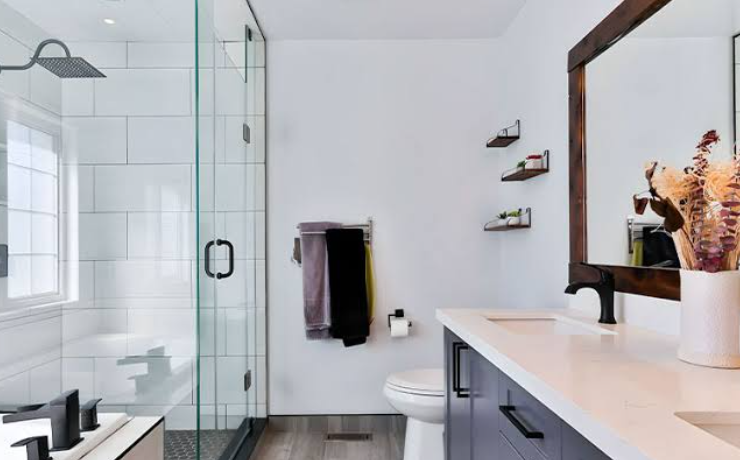
Simple Interior Updates That Can Make a Home Feel New

A home does not always need a major renovation to feel fresh and comfortable. In many cases, carefully planned interior updates can make a noticeable difference without changing the entire layout of the property. Updating tired surfaces, improving finishes, refreshing colours, and repairing worn details can help create a more pleasant living environment.
The key is to understand which changes will have the greatest practical and visual impact. A well-planned project can improve the appearance of a home while also making individual rooms easier to maintain and use.
Identify What Looks Tired
Start by walking through the home and looking at the areas that appear worn or outdated.
Walls may have marks or faded finishes. Doors and trim may show signs of everyday use. Wooden features may need repair, while older decorative details may no longer suit the room.
Creating a room-by-room list can help homeowners decide where to begin. Not every area needs to be changed at the same time.
Prioritising visible problems and frequently used spaces can make a smaller improvement project more effective.
Refresh the Walls
One of the simplest ways to change the appearance of an interior is to update the walls.
A new colour can create a completely different atmosphere. Soft neutral shades can provide a calm background, while carefully selected stronger tones can introduce personality.
Before applying any new finish, however, the condition of the existing walls should be checked. Cracks, holes, peeling areas, and uneven surfaces should be addressed first.
Good preparation helps ensure that the new finish looks consistent rather than highlighting existing imperfections.
Give Doors and Trim Some Attention
Doors, frames, skirting boards, and other trim are often overlooked during interior updates.
Although these features may not occupy large areas, they can have a strong influence on the overall appearance of a room. Scuffed surfaces, chipped finishes, or mismatched colours can make a freshly decorated space appear unfinished.
Refreshing these details can help create a more polished appearance and connect different parts of the interior.
Improve Storage
A room can feel much more spacious when clutter is properly organised.
If existing cupboards or shelves do not provide enough storage, homeowners can consider adding practical solutions that fit the available space.
Built-in shelving, fitted cabinets, wardrobes, and other storage features can be designed around specific dimensions.
Good storage should make everyday items easier to access while keeping surfaces clear and the room visually organised.
Make Better Use of Awkward Areas
Many homes contain spaces that are difficult to use effectively.
Corners, alcoves, spaces beneath stairs, narrow walls, and areas around existing furniture may provide opportunities for additional functionality.
Instead of leaving these areas unused, consider whether they could accommodate shelving, cupboards, seating, or other fitted features.
Custom solutions can be particularly useful when standard furniture does not fit properly.
Consider Flooring and Surfaces
Flooring has a major effect on the appearance of a room because it covers a large visual area.
When updating flooring, homeowners should consider both design and practical requirements. Busy areas may need durable surfaces, while rooms with different levels of moisture or activity may require different materials.
The existing floor should also be assessed before installation. Uneven or damaged subfloors may need preparation to achieve a satisfactory finish.
Coordinate Materials
A room often feels more polished when its different materials complement each other.
Wood, paint, flooring, hardware, textiles, and furniture do not need to match exactly. Instead, they can share similar tones or textures.
For example, a natural wood finish may work well with neutral walls, while darker fittings can provide contrast.
Planning materials together helps prevent individual improvements from looking disconnected.
Think About Natural Light
Natural light can affect how colours and finishes appear throughout the day.
A room with large windows may look very different from a darker interior. Before selecting a colour, consider how much natural light the room receives and whether the chosen shade works during both daytime and evening.
Mirrors and reflective surfaces can also influence how light moves through a room, although they should be used thoughtfully rather than simply added for decoration.
Choose Finishes for Everyday Life
A beautiful interior should also be practical.
Rooms that experience frequent activity may require surfaces that can withstand regular cleaning and everyday wear. Kitchens, hallways, and family areas often have different requirements from guest rooms or formal spaces.
Before choosing a finish, consider who uses the room, how frequently it is cleaned, and what type of activity takes place there.
This approach can help homeowners avoid materials that become difficult to maintain.
Work on One Area at a Time
Updating an entire property at once can be expensive and disruptive.
A staged approach can make the process more manageable. Homeowners might begin with the room that needs the most attention and gradually move to other areas.
This allows each space to be completed properly instead of spreading resources too thinly across the whole property.
Working room by room can also make it easier to evaluate the results and adjust future plans.
Do Not Ignore Small Repairs
Small defects can become more noticeable after a room has been freshly updated.
Loose handles, damaged trim, small holes, cracked surfaces, and worn fittings may stand out against new finishes.
Addressing these issues as part of the project can create a more complete result.
Small repairs may not require major investment, but they can contribute significantly to the overall impression of a finished room.
Combine Appearance With Function
A successful interior improvement should solve practical problems as well as improve appearance.
For example, new shelving can add visual interest while creating useful storage. A carefully selected finish can make a room look brighter while also being easier to clean.
Thinking about both functions helps homeowners avoid decorative changes that do not improve everyday life.
Consider Professional Assistance
Some projects may be suitable for homeowners who have the necessary skills and time, while others require professional workmanship.
Detailed carpentry, surface preparation, fitting, and finishing can require specialist knowledge and equipment.
For larger projects involving multiple interior improvements, homeowners may wish to work with professionals experienced in Decorating and related property improvement work.
Plan the Budget Before Starting
Even relatively small updates can become expensive when several changes are combined.
Create a list of planned improvements and estimate the cost of materials and labour. Separate essential work from optional additions so that priorities remain clear.
It is also useful to keep a small allowance for unexpected repairs.
A realistic budget can help prevent the project from becoming larger than originally intended.
Think About Long-Term Style
Interior trends change frequently. While trends can provide useful inspiration, homeowners should also consider whether a design will remain appealing over time.
Neutral foundations can provide flexibility, while smaller decorative elements can be changed more easily when preferences evolve.
The most important consideration is whether the finished room feels comfortable and appropriate for the people who use it.
Common Questions
1. What is the easiest way to refresh a room?
Updating walls, repairing visible imperfections, refreshing trim, improving lighting, and reducing clutter can make a noticeable difference without requiring major structural changes.
2. How can homeowners make a small room feel more practical?
Better storage, appropriate furniture placement, useful fitted features, and careful use of colours can help make a small room easier to use without overcrowding it.
3. Is professional help necessary for interior improvements?
It depends on the project. Simple cosmetic changes may be manageable independently, while detailed fitting, carpentry, preparation, or larger renovation work may benefit from professional expertise.
Conclusion
Refreshing a home does not always require a complete transformation. Small, well-planned improvements can make rooms more attractive, organised, and practical.
By identifying worn areas, improving surfaces, adding useful storage, coordinating materials, and considering how each room is used, homeowners can create meaningful changes without unnecessary work.
The best approach is to focus on quality and long-term usefulness rather than making changes simply for the sake of appearance. With careful planning and appropriate workmanship, even modest updates can help a home feel more comfortable and welcoming.