What Is the Best Temperature to Set Your Thermostat in Summer?
Finding the right temperature for your thermostat during the summer months can make a significant difference in both comfort and energy costs. As temperatures rise, many homeowners struggle to balance staying cool with keeping utility bills manageable. The ideal thermostat setting depends on several factors, including your household’s daily routine, the local climate, and the efficiency of your cooling system. Understanding how to adjust your thermostat can help you maintain a comfortable indoor environment while also conserving energy. This guide provides practical advice to help you determine the most effective temperature settings for your home during the hottest months of the year.
What to Expect in This Guide
Understanding Thermostat Settings and Energy Efficiency
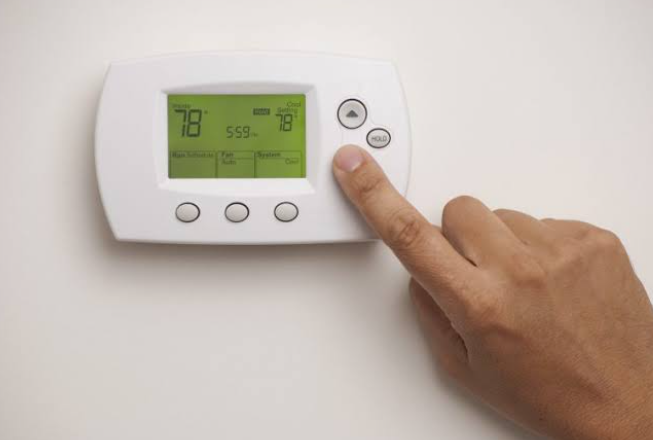
Setting your thermostat at the right temperature is crucial for maintaining comfort and controlling energy consumption during the summer. The U.S. Department of Energy recommends keeping your thermostat at 78 degrees Fahrenheit when you are at home and need cooling. This temperature is generally considered a good balance between comfort and energy savings. However, personal preferences and the unique characteristics of your home may require slight adjustments. For example, homes with high humidity or poor insulation may feel warmer at the same thermostat setting compared to well-insulated homes. Additionally, the number of people in your household and the amount of sunlight your home receives can influence how cool or warm your living spaces feel. By understanding these factors, you can make informed decisions about your thermostat settings and avoid unnecessary energy waste.
Factors That Influence Your Ideal Summer Temperature
Several factors play a role in determining the most comfortable and efficient thermostat setting for your home during the summer. The local climate is one of the most significant influences, as areas with higher humidity or more intense heat may require different strategies than milder regions. The efficiency of your air conditioning system also matters, as older or poorly maintained units may struggle to maintain consistent temperatures. Home insulation, window quality, and the presence of shade from trees or awnings can all impact how much heat enters your home. Additionally, your daily schedule and occupancy patterns should be considered. If your home is empty during the day, raising the thermostat a few degrees can save energy without sacrificing comfort. When you return, lowering the temperature gradually can help your system cool the house efficiently. For those living in the Desert West, where temperatures can soar, it is especially important to find a setting that keeps your home comfortable without overworking your cooling system.
The Role of Programmable Thermostats
Programmable thermostats have become increasingly popular for their ability to help homeowners manage indoor temperatures more efficiently. These devices allow you to set different temperatures for various times of the day, ensuring that your home is cool when you need it and conserving energy when you do not. For example, you can program your thermostat to raise the temperature while you are at work and lower it before you return home. This approach not only enhances comfort but also reduces the strain on your air conditioning system, potentially extending its lifespan. Many modern thermostats also offer smart features, such as remote control via smartphone apps and learning capabilities that adapt to your schedule. By taking advantage of these technologies, you can maintain a comfortable environment while minimizing energy consumption. It is important to regularly review and adjust your thermostat settings as your routine or the weather changes to ensure optimal performance.
Quick Tips for Staying Cool
Keeping your home cool during the summer does not rely solely on your thermostat setting. Simple actions like closing blinds during the hottest part of the day, using ceiling fans to circulate air, and avoiding heat-generating appliances can make a noticeable difference. These strategies help reduce the workload on your air conditioning system and can contribute to a more comfortable indoor environment. Small changes in daily habits can add up to significant energy savings over time.
The Impact of Humidity and Air Circulation
Humidity levels can greatly affect how comfortable your home feels at a given temperature. High humidity makes the air feel warmer, which may tempt you to lower the thermostat further. However, this can lead to increased energy use and higher utility bills. Using a dehumidifier or running your air conditioner in dry mode can help remove excess moisture from the air, making your home feel cooler without needing to set the thermostat lower. Proper air circulation is also essential for maintaining comfort. Ceiling fans and portable fans can help distribute cool air more evenly throughout your home, reducing hot spots and allowing you to keep the thermostat at a more energy-efficient setting. Regular maintenance of your air conditioning system, including changing filters and cleaning vents, ensures that air flows freely and efficiently. By managing humidity and improving air circulation, you can create a more pleasant indoor environment and reduce the need for excessive cooling.
See also: Business Acquisition Financing Canada: Funding a Successful Business Purchase
Conclusion
Choosing the right temperature for your thermostat during the summer is a balance between comfort and energy efficiency. By considering factors such as your local climate, home insulation, daily routines, and the capabilities of your cooling system, you can find a setting that keeps your home pleasant without unnecessary energy use. Utilizing programmable thermostats and adopting simple cooling strategies can further enhance comfort and savings. Remember that small adjustments and regular maintenance can make a significant difference in both your comfort and your utility bills. With thoughtful planning and attention to your home’s unique needs, you can enjoy a cool, comfortable summer while keeping energy costs under control.