Tour Bus and Shuttle Accidents in Las Vegas: Who Is Liable?
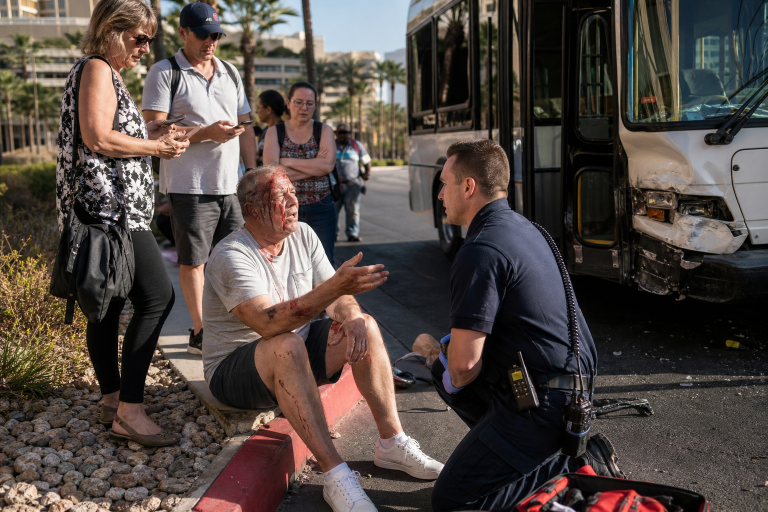
Las Vegas tour buses and hotel shuttles move visitors between casinos, airports, convention centers, wedding venues, sporting events, and attractions every day. When one of these vehicles crashes, the consequences can be severe because a single collision may injure many passengers at once. Determining responsibility is rarely as simple as blaming the person behind the wheel.
A crash may involve a driver error, inadequate training, an unsafe vehicle, poor maintenance, or another motorist’s actions. People dealing with these questions may benefit from reviewing information available from experts at https://stevedimopoulos.com/las-vegas-personal-injury-attorney/ while gathering records and considering the next steps after a collision. Identifying each potentially responsible party can help clarify which insurance policies or other sources of compensation may apply. Promptly preserving accident reports, medical records, witness information, and other evidence can also help establish what happened and the extent of the resulting injuries.
Why Tour Bus and Shuttle Claims Can Be More Complicated
Unlike a typical two-car accident, a collision involving a tour bus or shuttle can involve a driver, an employer, a fleet owner, a hotel contractor, a travel company, a repair shop, and several insurers. The bus may also have video cameras, GPS data, dispatch messages, inspection reports, driver qualification files, and maintenance logs that help explain what happened.
Timing matters because businesses may not keep all records forever. Photos of the scene, passenger contact information, police report details, medical records, and any available footage should be preserved as early as possible. A passenger should also avoid assuming that a company’s explanation of the crash tells the whole story.
Parties That May Be Liable After a Las Vegas Bus or Shuttle Crash
The Driver
A driver may be responsible when the evidence shows speeding, distraction, fatigue, impairment, an unsafe lane change, tailgating, failure to yield, or another careless act. Bus and shuttle drivers operate large vehicles in congested areas, where sudden stops, pedestrian traffic, and frequent pickups require close attention.
See also: The Impact of Artificial Intelligence on Everyday Life
The Bus or Shuttle Company
The transportation company may be liable for its employee’s driving conduct. It may also face a separate claim if it hired an unqualified driver, failed to provide appropriate training, ignored prior safety concerns, imposed unrealistic schedules, or failed to inspect and maintain its vehicles.
Nevada regulates passenger motor carriers, including charter bus operations, and its rules address matters such as safety and liability insurance. The state’s motor carrier laws can be relevant when evaluating the type of operator involved and the obligations that may apply.
The Vehicle Owner, Maintenance Company, or Parts Manufacturer
Sometimes the company operating the shuttle does not own it. A separate owner may have neglected repairs, or a maintenance provider may have performed unsafe work. Brake failure, tire problems, steering issues, lighting defects, and broken wheelchair restraints can all raise questions about inspection and repair practices. In rare cases, a defective vehicle component may point to a product liability claim against a manufacturer or distributor.
A Hotel, Casino, Tour Operator, or Event Organizer
A hotel or tour organizer is not automatically responsible simply because it arranged transportation. However, liability may be considered when the organization controlled the service, selected an unsafe provider, made safety-related decisions, or otherwise played a direct role in the events leading to the crash. The specific contracts and facts matter.
Another Driver or Public Entity
A distracted driver who cuts in front of a shuttle, a truck driver who runs a red light, or a motorist who forces a bus off the road may be partly or entirely at fault. Dangerous road design, missing signs, or an unaddressed hazard can also raise issues involving a government entity. Claims involving public bodies have specialized procedures and deadlines, so prompt action is important.
What Evidence Helps Establish Liability?
- Police reports, incident reports, and 911 recordings
- Photos of vehicle damage, road conditions, skid marks, and traffic controls
- Video from the bus, nearby businesses, hotels, traffic cameras, or passenger phones
- Driver logs, dispatch communications, GPS records, and electronic data
- Maintenance records, inspection histories, repair invoices, and tire records
- Witness statements from passengers, pedestrians, other motorists, and first responders
- Medical records that connect injuries to the collision
Passengers should write down what they remember as soon as they can do so accurately. Details such as abrupt braking, the driver’s comments, a warning light, an unusual noise, or the location of other vehicles may become harder to recall with time.
How Nevada Comparative Fault Can Affect a Claim
More than one party can contribute to a bus-or-shuttle collision. For example, a shuttle driver may have been speeding while another driver made an unsafe turn. Nevada’s comparative negligence law generally allows an injured person to recover damages if that person’s negligence was not greater than the combined negligence of the parties being sued. Any recovery may be reduced by the person’s assigned percentage of fault.
For passengers, personal fault is often not a major issue. Still, an insurer may examine seat belt use where applicable, conduct during the ride, or whether the injured person’s actions worsened the harm. These arguments depend on the evidence and should not distract from the investigation into the conduct of the commercial operator and other drivers.
Steps Passengers Should Take After the Crash
- Move to a safe location if possible and follow emergency responders’ instructions.
- Get medical attention, even if pain, dizziness, numbness, or headaches seem minor at first.
- Request the driver’s name, the company name, vehicle number, and the police report number.
- Take photographs and obtain contact details from other passengers or witnesses.
- Save receipts, medical bills, work-loss documentation, and transportation expenses.
- Do not post detailed accounts, medical updates, or crash photos on social media while a claim is pending.
- Be cautious about recorded statements, broad medical authorizations, and settlement releases.
Damages That May Be Part of a Claim
Depending on the circumstances, an injured person may seek compensation for emergency treatment, hospital care, follow-up appointments, therapy, medication, future medical needs, lost income, reduced earning capacity, and out-of-pocket costs. A claim may also address pain, emotional distress, scarring, disability, and the loss of normal activities. When a crash causes a death, surviving family members may have separate legal rights.
Common Questions
Can a passenger file a claim if the bus driver was not ticketed?
Yes. A traffic citation can be useful evidence, but it is not the only way to establish fault. Video, vehicle data, witnesses, maintenance records, and expert analysis may all matter.
What if several passengers were hurt in the same crash?
Each injured passenger may have an individual claim. However, multiple claims may compete for available insurance coverage, particularly when injuries are serious. Early documentation is important.
Is the shuttle company liable if the driver was an independent contractor?
Possibly. The company’s liability depends on its control over the service, contractual arrangements, hiring practices, vehicle ownership, and other facts. Labels alone do not always decide the issue.
Closing Guidance
Tour bus and shuttle crashes in Las Vegas can involve complex questions about commercial safety, insurance coverage, and shared responsibility. The most useful first steps are protecting personal safety, obtaining medical care, preserving evidence, and identifying every company connected to the vehicle and trip. A careful investigation can reveal whether liability rests with one party or several.