Spring Cleanup Made Easy: Transform Your Yard for the Season Ahead
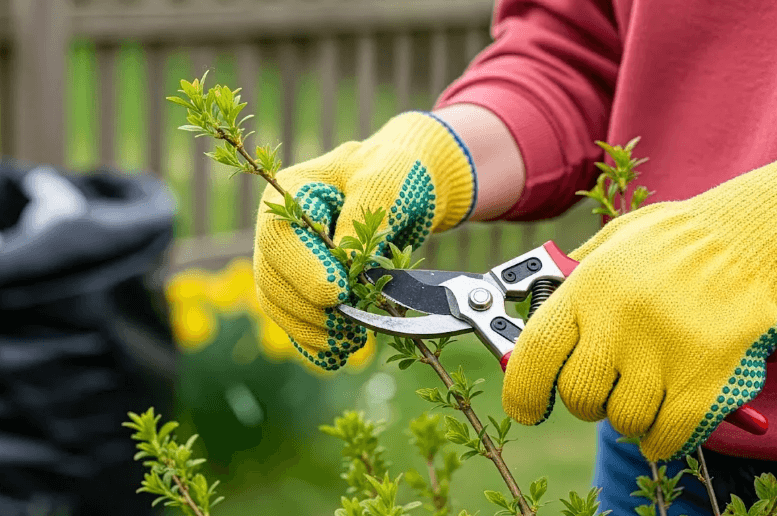
As winter fades, your yard may reveal fallen branches, accumulated leaves, overgrown plants, and other signs of the colder months. Spring cleanup is the perfect opportunity to restore order and prepare your outdoor space for warmer weather. By working through your property methodically, you can create a cleaner, healthier yard while getting outdoor areas ready for planting, entertaining, and relaxing.
Start With A Thorough Yard Assessment
Before grabbing your tools, walk around your entire property and assess what needs attention. Look for fallen branches, damaged plants, compacted soil, weeds, clogged drainage areas, and debris that accumulated over the winter. Taking a few minutes to evaluate the yard first can help you organize your cleanup instead of moving randomly from one task to another.
Divide the property into manageable areas, such as the front yard, backyard, garden beds, driveway, patio, and storage spaces. Create a simple order for completing each area based on priority. Removing large debris and addressing potential drainage issues should generally come before detailed landscaping work.
Pay attention to areas that may have been affected by winter weather. Broken branches can become hazards, while standing water may indicate drainage problems. Early identification gives you an opportunity to address these concerns before the growing season becomes busy.
Gather Your Cleanup Equipment
Once you know what needs to be done, gather the necessary tools and supplies. Depending on your property, this may include gloves, rakes, pruning tools, shovels, buckets, yard bags, brooms, and equipment for moving heavier materials.
Inspect your tools before beginning. Clean away dirt and rust, check handles for damage, and make sure cutting tools are sharp enough to work efficiently. Preparing everything beforehand can reduce interruptions and make the cleanup process considerably smoother.
Clear Away Winter Debris
Removing debris is one of the most noticeable parts of spring yard cleanup. Start with larger objects such as fallen branches, sticks, and other materials before moving on to leaves and smaller debris. Clearing the surface allows you to see the condition of the lawn and garden beds underneath.
Sort materials as you work. Some yard waste may be suitable for composting or local green-waste collection, while other materials may need to be disposed of separately. Check local disposal requirements before loading large amounts of debris or vegetation.
Do not overlook less obvious areas. Debris can collect beneath shrubs, around fences, beside sheds, and along the edges of driveways. Clearing these spaces improves the overall appearance of the property and can make maintenance easier throughout the season.
Handle Larger Loads Efficiently
Large spring cleanup projects can produce more debris than ordinary yard bags can handle. Branches, old landscaping materials, soil, and other bulky items may require a more practical method of transportation.
For homeowners tackling substantial outdoor projects, a utility trailer in Utah can provide additional hauling capacity for moving yard waste, landscaping materials, tools, or other bulky loads. The appropriate trailer can make repeated trips more efficient, particularly when the cleanup involves several areas of the property.
Always load and secure materials carefully. Distribute weight appropriately, prevent loose debris from falling during transportation, and follow applicable towing and disposal requirements.
Revive Your Lawn After Winter
Once the major debris is gone, turn your attention to the lawn. Walk across the grass and look for bare patches, matted areas, excessive thatch, weeds, or places where water has pooled. These observations can help determine which areas need additional care.
Raking can remove dead grass, leaves, and surface debris while helping matted areas stand upright again. Avoid aggressive raking when the soil is saturated because working wet ground can damage the lawn and contribute to compaction.
Address Bare And Damaged Areas
Bare patches may develop because of winter conditions, foot traffic, pests, or other factors. Once the soil is suitable for working, lightly loosen affected areas and determine what type of repair is appropriate for your lawn.
Reseeding or repairing damaged sections can help restore a more consistent appearance. Follow the requirements for the grass type and local growing conditions rather than applying products indiscriminately. Adequate moisture and appropriate timing are important for successful establishment.
Spring is also a useful time to evaluate your mowing routine. Make sure your mower and other lawn equipment are ready before grass growth accelerates. A clean, maintained tool can make regular lawn care easier once the season is fully underway.
See also: Business Acquisition Financing Canada: Funding a Successful Business Purchase
Refresh Garden Beds And Planting Areas
Garden beds often need attention after months of cold weather. Remove dead annual plants, fallen leaves, weeds, and other unwanted material. Be careful around emerging perennial plants so that new growth is not accidentally damaged.
Pruning can also improve the appearance and health of some shrubs and plants, but timing matters. Different plants have different pruning requirements, so identify the plant before cutting. Avoid removing healthy growth simply for cosmetic reasons if doing so could interfere with flowering or new development.
After clearing the beds, inspect the soil. It may benefit from compost or another appropriate soil amendment, depending on its condition and the plants you intend to grow. Improving the growing environment before planting can make later maintenance easier.
Plan Your Seasonal Planting
Spring cleanup is more than removing what winter left behind. It is also an opportunity to decide what you want your yard to look like in the coming months.
Consider which areas receive full sun, partial shade, or limited sunlight. Think about the amount of time you can realistically spend watering, pruning, weeding, and maintaining plants. Choosing vegetation suited to your property’s conditions can reduce unnecessary work later.
If you plan to add larger landscaping features, sketch out the project before purchasing materials. Knowing where plants, borders, mulch, pathways, or decorative elements will go can help prevent wasted effort.
Clean Patios, Walkways, And Outdoor Living Areas
Once the lawn and garden beds are under control, move toward the hardscaped areas of your property. Sweep patios, decks, sidewalks, driveways, and other outdoor surfaces to remove leaves, dirt, and winter debris.
Inspect these areas while cleaning. Look for cracked surfaces, loose pavers, damaged steps, clogged drains, or other maintenance concerns. Addressing small problems early may help prevent them from becoming larger and more expensive repairs.
Outdoor furniture and recreational equipment may also need attention after storage. Clean surfaces according to their materials and inspect everything for damage before putting it back into regular use.
Prepare For Outdoor Entertaining
If you expect to spend more time outside during spring and summer, arrange your outdoor living area with that goal in mind. Clean seating areas, organize cooking equipment, and create convenient storage for frequently used outdoor items.
Keep pathways clear and make sure lighting, steps, railings, and other frequently used features are in good condition. A clean and organized outdoor space is easier to enjoy and simpler to maintain throughout the season.
Organize Your Shed And Outdoor Storage
Spring cleanup is an ideal time to tackle the spaces that hold your yard equipment. Sheds, garages, storage closets, and other utility areas can quickly become cluttered when tools are put away without a consistent system.
Remove items you no longer use and group remaining equipment by function. Keep frequently used tools accessible and store hazardous materials appropriately. Make sure heavy objects cannot fall and that walkways remain clear.
Inspect seasonal equipment before relying on it. Look for damaged cords, worn parts, leaks, or other issues that could affect safe operation. Address problems before the equipment is needed for regular spring maintenance.
Create A Maintenance Routine
After completing the initial cleanup, establish a simple schedule for maintaining your yard. Regular mowing, weeding, watering, pruning, and debris removal can prevent another major buildup.
Consider setting aside a small amount of time each week for outdoor maintenance. Short, consistent sessions are often easier to manage than waiting until the yard requires another large-scale cleanup.
Keep a record of larger projects as well. If you plan to repair a fence, improve drainage, refresh a garden bed, or add new landscaping, noting these tasks can help you budget and schedule them over the coming months.
Conclusion
Spring cleanup is an opportunity to reset your entire outdoor space for the season ahead. Start by assessing your property, clearing winter debris, restoring the lawn, refreshing garden beds, cleaning outdoor surfaces, and organizing your tools. With a thoughtful approach and consistent maintenance routine, you can create a healthier, more attractive yard that is ready for planting, entertaining, and enjoying all spring long.