Gardner Impact Tester: Understanding Impact Resistance Testing for Coatings and Materials
Impact resistance is an important performance characteristic for coatings, paints, plastics, and other materials that may experience sudden mechanical force during manufacturing, transportation, installation, or everyday use. A material can appear durable under normal conditions yet crack, deform, or lose adhesion when subjected to an unexpected impact. Laboratory impact testing helps identify these weaknesses under controlled conditions.
A gardner impact tester provides a practical method for evaluating how a coated surface or material responds to a controlled impact. By standardizing factors such as impact energy, drop height, and test configuration, laboratories can obtain meaningful results for quality control, material comparison, and research.
Why Is Impact Resistance Testing Important?
Materials frequently encounter forces that are difficult to reproduce through visual inspection alone. A coating may perform well during routine handling but fail when the underlying substrate is suddenly deformed.
Impact testing creates a controlled mechanical event so technicians can observe how the sample reacts. Depending on the material and testing procedure, signs of failure may include cracking, chipping, delamination, deformation, or loss of coating adhesion.
A gardner impact tester can help transform these observations into a repeatable laboratory evaluation.
See also: When a Shoulder Injury at Work Turns Life Upside Down
Supporting Consistent Quality Control
Manufacturing laboratories often compare finished samples against established performance requirements. When the same test conditions are applied to every specimen, impact testing can reveal variations between batches.
Unexpected changes in impact performance may indicate differences in formulation, curing, substrate preparation, coating thickness, processing conditions, or raw materials.
How Does an Impact Tester Work?
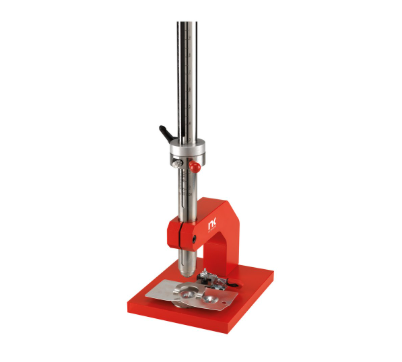
A typical impact testing procedure uses a controlled falling weight to apply force to a prepared specimen. The weight travels from a selected height and transfers energy to the sample through the test assembly.
Technicians can adjust the test conditions and examine the material after impact. The goal is to determine the point at which visible or measurable failure occurs.
Drop Height and Impact Energy
Drop height directly influences the energy delivered during testing. A greater height generally produces a stronger impact when the other test variables remain unchanged.
When using a gardner impact tester, technicians should follow a defined procedure rather than selecting arbitrary test conditions. Consistent settings allow results from different samples to be compared more accurately.
Direct and Indirect Impact Testing
Depending on the applicable procedure, a specimen may be tested from the coated side or from the reverse side. These configurations can provide different information about coating flexibility and adhesion.
Direct impact places force toward the coated surface. Reverse or indirect impact can deform the substrate in a way that stretches the coating from the opposite direction.
Why Test Configuration Matters
Results obtained from different configurations should not automatically be treated as equivalent. The direction of impact can change how stress travels through the coating and substrate.
Laboratories using a gardner impact tester should document the selected configuration alongside the results. Clear documentation helps prevent incorrect comparisons between tests performed under different conditions.
Preparing Samples for Reliable Testing
Good sample preparation is essential for meaningful impact results. Specimens should represent the materials or coating systems being evaluated and should be conditioned according to the laboratory’s procedure.
Coating thickness, curing conditions, substrate type, surface preparation, and sample temperature may all influence performance.
Inspect the Test Area
Before testing, technicians should inspect the specimen for existing scratches, cracks, contamination, or other defects. Pre-existing damage can make it difficult to determine whether failure resulted from the impact itself.
The test location should also be positioned appropriately so previous impact points or specimen edges do not influence the result.
Applications in Coating Evaluation
Impact testing is commonly useful when comparing coating formulations or examining how processing changes affect mechanical performance.
Research teams may use a gardner impact tester to compare experimental formulations under identical conditions. Quality-control laboratories can use similar procedures to determine whether routine production samples remain consistent.
Impact results may also be considered alongside other evaluations, such as adhesion, hardness, flexibility, thickness, or abrasion testing, to create a broader picture of material performance.
Factors to Consider When Selecting Impact Testing Equipment
Laboratories should first identify the materials and test procedures they expect to use. Important considerations include available impact range, drop-height adjustment, compatible weights, specimen dimensions, test configuration, and available workspace.
Ease of setup is another practical consideration. Equipment that allows technicians to establish repeatable test conditions can help reduce unnecessary variation during routine analysis.
Match Equipment to Laboratory Workload
Testing frequency should influence equipment selection. High-volume quality-control environments may prioritize quick specimen positioning and efficient adjustment between tests.
Research laboratories may place greater value on flexibility because experimental materials can require different impact conditions.
The best equipment configuration is one that supports the laboratory’s actual testing requirements without adding unnecessary complexity.
Maintenance and Good Testing Practices
A gardner impact tester should be inspected regularly to ensure that moving components operate freely and that weights, guides, and impact components remain in suitable condition.
Test surfaces should be kept clean, and damaged components should be addressed before further measurements are performed.
Laboratories should also document test conditions carefully. Recording specimen information, drop height, weight configuration, impact direction, conditioning conditions, and observed results makes future comparisons more useful.
Conclusion
Impact resistance testing provides valuable insight into how coatings and materials respond to sudden mechanical stress. It can reveal weaknesses that may not be apparent during visual inspection or other routine evaluations.
A gardner impact tester supports controlled and repeatable impact testing when laboratories maintain consistent sample preparation, test configuration, drop conditions, and evaluation criteria. With proper procedures, trained operators, and regular equipment care, impact testing can become a dependable part of quality control and material development programs.