How to Build a Better Crossword Habit: A Simple Plan for Solving, Learning, and Staying Engaged
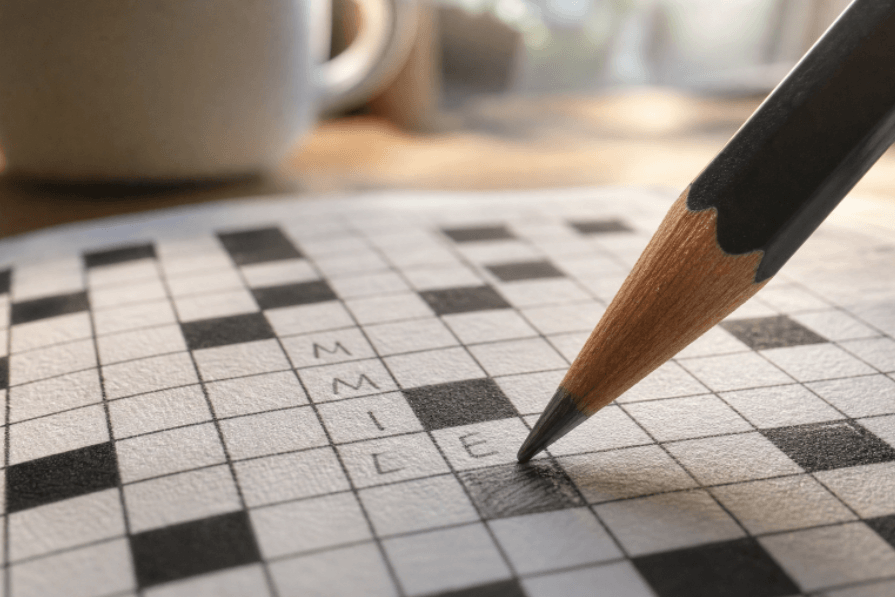
A crossword habit can give your day a small moment of focus without demanding a major commitment. Whether you keep a pencil by the coffee maker or open a crossword during a lunch break, a few intentional minutes can become a satisfying ritual.
The best routine is not built around perfect grids or fast finish times. It is built around choosing approachable puzzles, learning from unfamiliar clues, and returning often enough for patterns to become familiar. A steady practice can make solving feel less like a test and more like a rewarding daily pause.
Why Crossword Solving Fits Modern Daily Routines
Crosswords work well in small pockets of time. Ten minutes in the morning, while waiting for an appointment, or before bed, can be enough to make progress. Unlike passive scrolling, solving asks you to recall words, notice patterns, and stay present with one task.
A short puzzle session also creates structure. It can mark the beginning of a workday, provide a reset after a busy afternoon, or offer a screen-free transition into the evening. The aim is regular engagement, not competition with other solvers.
Set a Realistic Solving Goal
Start with a goal that supports consistency instead of adding pressure. Pick a session length of 10, 15, or 20 minutes, then attach it to a time that already fits your routine. You might decide that your goal is to finish a puzzle, learn three new entries, or make visible progress.
- Beginners: Solve three days per week for 10 minutes, using easy or introductory puzzles.
- Casual solvers: Solve four to five days per week for 15 minutes, with one slightly harder puzzle.
- Experienced solvers: Solve most days for 20 minutes or more, rotating between familiar and demanding formats.
Track completed sessions rather than judging every outcome. A puzzle left unfinished can still teach you clue styles, vocabulary, and useful letter patterns.
Choose the Right Puzzle Level
A puzzle may be too easy if you can fill most of the grid without pausing to consider the clue wording. It may be too hard if you repeatedly make no progress, even after trying several sections. The sweet spot is a puzzle that asks you to think, but still gives you enough answers to build momentum.
Move up gradually. A manageable puzzle with a few difficult clues will teach more than an advanced one that causes you to quit. Since crosswords use established formats, abbreviations, themes, and wordplay, understanding common clue conventions can make unfamiliar puzzles feel far less intimidating.
Use a Simple Solving Order
A repeatable process prevents one stubborn clue from controlling the entire session. Try this order:
- Scan for short clues and answers you know immediately.
- Enter only answers you feel reasonably confident about.
- Use crossing letters to test uncertain ideas.
- Move to another area when a clue takes too long.
- Return after more of the grid has been filled.
This approach creates useful footholds. Each confirmed answer narrows the possibilities around it, so a clue that seemed impossible at first may become obvious later.
Learn From Clues Instead of Chasing Speed
Strong solvers pay attention to the clue, not just the answer. Notice verb tense, plural forms, quotation marks, abbreviations, and question marks. A question mark often signals wordplay, while an abbreviated clue usually calls for an abbreviated answer.
Keep a small list of unfamiliar words, names, phrases, and recurring crossword entries. Review it once a week. You do not need to memorize everything immediately, but repeated exposure helps your personal reference list become useful in future grids.
Know When to Use a Hint
Hints are most useful when they preserve the learning opportunity. Before revealing anything, spend a few minutes considering the clue and checking its crossing letters. If you still need help, reveal one letter at a time rather than the entire answer whenever possible.
After seeing the solution, reread the clue and identify why it works. Then return to that clue type in a later puzzle without assistance. A hint should help you recognize a pattern, not simply remove an obstacle.
Build a Routine That Lasts
- Keep a puzzle book, pencil, or app where you will see it.
- Pair solving with an existing habit, such as morning coffee or an evening tea.
- Make sessions short enough that repeating them feels easy.
- Accept missed days without treating them as failure.
- Change formats or difficulty levels when the routine becomes stale.
Reducing friction matters. If starting requires searching for supplies, choosing among dozens of puzzles, or setting aside an hour, the habit becomes harder to maintain. Make the first step simple.
Try Different Solving Styles
There is no single best way to solve. Solo solving can provide quiet focus, while partner solving adds conversation and combines different knowledge bases. Families, clubs, and friends may enjoy working through a larger puzzle together.
Paper puzzles encourage a slower, screen-free pace and make it easy to circle possibilities or jot notes in the margins. Digital puzzles can offer accessibility features, quick corrections, and adjustable settings. Choose the format that makes you want to come back tomorrow.
What Research Can and Cannot Say
Crosswords involve attention, recall, language, and problem-solving, which makes them a stimulating leisure activity. Still, they should not be presented as a cure for memory problems or a guaranteed way to prevent cognitive decline. A broader approach to supporting cognitive health includes physical activity, social connection, sleep, and ongoing learning.
Think of crosswords as one enjoyable part of a balanced life. Their value does not depend on making a medical promise. A puzzle can be worthwhile simply because it gives your mind a focused challenge and adds pleasure to the day.
Common Mistakes New Solvers Make
- Beginning with puzzles far beyond their current comfort level.
- Trying to solve clues strictly in numerical order.
- Spending too long on one answer before moving on.
- Avoiding tentative guesses that crossing letters could confirm or reject.
- Measuring every session by completion time.
- Failing to review new words and clue patterns afterward.
A Four-Week Crossword Practice Plan
Week One: Build Comfort
Solve for 10 minutes at a time. Focus on familiar clues, fill in confident answers first, and write down any new entries you want to remember.
Week Two: Improve Grid Awareness
Use crossing letters more deliberately. Practice leaving difficult clues behind and moving to another section rather than forcing an answer.
Week Three: Add Variety
Try one slightly harder puzzle, compare paper and digital formats, and complete a shared puzzle with someone else.
Week Four: Review and Adjust
Notice which clue types still slow you down. Choose a sustainable session length and set your next goal around enjoyment, consistency, and gradual growth.
See also: Answering Service for Physicians Is Helping Reduce No-Shows and Improve Schedule Efficiency
Questions Readers May Have
How long should a crossword session be?
Start with 10 to 15 minutes. Extend the session only when you remain interested and focused.
Is a pencil, a pen, or a digital one better?
Pencil supports experimentation, pen can make a completed grid feel satisfying, and digital tools offer flexible correction. The best choice is the one you will use consistently.
Should beginners look up answers?
Yes, if the answer becomes a lesson. Study the clue, record the entry, and look for the same pattern again later.
What if a puzzle feels too difficult?
Switch sections, take a short break, use a limited hint, or choose an easier puzzle next time. Difficulty should stretch your skills, not drain your interest.
Conclusion
A better crossword habit does not require flawless results or long sessions. It begins with an approachable puzzle, a regular time, and enough patience to learn from every stuck clue. Keep the practice enjoyable, make starting easy, and let steady progress do the rest.