What Buyers Should Know Before Purchasing Bonsai Trees in Wholesale Quantities
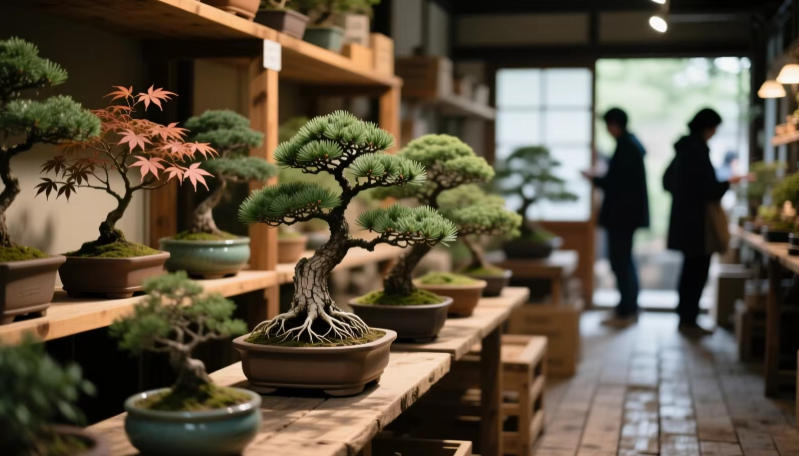
Bonsai trees combine horticulture, design, patience, and careful cultivation. While individual enthusiasts may purchase one tree at a time, garden centers, retailers, landscapers, nurseries, online stores, and specialty plant businesses often need to source multiple trees at once.
Buying bonsai wholesale can provide advantages for businesses that require a consistent supply of plants, but wholesale purchasing also requires careful planning. Tree species, age, size, root health, growing conditions, packaging, and transportation all need to be considered.
A successful wholesale purchase is not simply about obtaining the lowest price. The goal is to receive healthy, appropriate-quality trees that can be maintained and sold successfully.
Understand the Difference Between Bonsai and Ordinary Nursery Plants
Bonsai are not simply small trees.
They are living plants cultivated and trained to develop the visual characteristics of mature trees while remaining suitable for container growing. Their appearance depends on pruning, root management, wiring, potting, watering, and long-term care.
This means buyers need to evaluate both the health of the plant and the quality of its development.
For commercial buyers, understanding these characteristics helps ensure that the trees match customer expectations.
Choose Species According to the Market
Different bonsai species appeal to different customers.
Some buyers prefer evergreen varieties, while others enjoy deciduous trees that change appearance with the seasons. Certain species may be better suited to indoor environments, while others require outdoor conditions.
A retailer should understand its customer base before ordering large quantities.
If customers are beginners, hardy and relatively easy-to-care-for species may be attractive. Experienced bonsai enthusiasts may look for more specialized varieties.
Wholesale purchasing should therefore begin with market demand rather than simply selecting whichever trees are available.
Evaluate Tree Health
Tree health should be one of the highest priorities.
Before purchasing in volume, buyers should examine the general condition of the plants. Healthy trees should show appropriate growth for their species and cultivation conditions.
Warning signs may include widespread leaf discoloration, significant pest damage, weak growth, damaged trunks, root problems, or signs of improper watering.
When ordering remotely, buyers should request current photographs and detailed information about cultivation conditions whenever possible.
Examine the Root System
Roots are particularly important in container-grown bonsai.
A healthy root system supports water and nutrient uptake while helping the tree remain stable in its container. Poor root development can affect growth and make future cultivation more difficult.
Wholesale buyers should ask how recently trees were repotted, what type of growing medium is used, and whether the plants have been properly acclimated to their current containers.
These details can help identify potential problems before a large shipment is placed.
Consider Size and Development Stage
Wholesale bonsai can be supplied at different stages of development.
Younger trees may cost less and give retailers more opportunity to shape and train them. More developed bonsai may command higher prices because they have already received years of cultivation and styling.
The right choice depends on the business model.
A garden center selling beginner-friendly plants may prefer younger specimens, while a specialty retailer may focus on more mature trees.
Container Quality Matters
The container is part of the presentation.
A healthy tree in a damaged or unsuitable pot may not create the right impression for customers. Retailers should consider pot size, drainage, material, appearance, and compatibility with the tree.
For wholesale orders, consistent containers can also make displays easier to organize.
Packaging and Transportation
Bonsai trees are living products, so transportation requires more care than shipping ordinary merchandise.
Trees need appropriate protection against physical damage, extreme temperatures, dehydration, and movement inside the package.
Branches, foliage, pots, and soil can all be damaged if the plants are not secured properly.
Wholesale buyers should discuss packaging and transportation procedures with the supplier before ordering.
Seasonal Considerations
The timing of a bonsai shipment can affect its condition.
Different species respond differently to temperature, dormancy, repotting, and changes in growing conditions. Transportation during extreme heat or cold may require additional precautions.
Retailers should understand the seasonal characteristics of the species they are purchasing and plan inventory accordingly.
Build a Relationship With the Supplier
Wholesale purchasing is often more successful when buyers develop an ongoing relationship with a reliable supplier.
A consistent supplier can become familiar with the retailer’s preferred species, sizes, quality standards, and packaging requirements.
This can make future orders more predictable.
Communication is particularly important when ordering living plants because availability and condition can vary according to season and cultivation cycles.
Calculate the Real Cost
The wholesale purchase price is only one part of the overall cost.
Businesses should also consider shipping, packaging, plant losses, pots, storage, watering, maintenance, labor, and display requirements.
A low-cost shipment may not be economical if a significant percentage of plants arrive damaged or require intensive recovery.
For this reason, buyers should evaluate supplier reliability and plant quality alongside price.
Managing Wholesale Inventory
Bonsai trees require ongoing care after arrival.
Retailers should have appropriate lighting, watering procedures, temperature management, pest monitoring, and staff knowledge.
A strong inventory-management system can help ensure that trees receive appropriate care while waiting for sale.
Plants should also be grouped according to species and care requirements where practical.
Quality Consistency
When purchasing bonsai wholesale, consistency is especially valuable.
Customers expect plants represented as a particular variety, size, or grade to meet the stated description.
Wholesale buyers should therefore establish clear quality standards with suppliers before ordering.
Photographs, measurements, species information, pot specifications, and grading criteria can all help reduce misunderstandings.
Supporting Customers After the Sale
A retailer’s responsibility does not necessarily end when a bonsai is sold.
Customers often need guidance regarding watering, sunlight, pruning, repotting, fertilization, and seasonal care.
Providing basic care information can improve customer confidence and reduce the likelihood of trees being damaged through avoidable mistakes.
For businesses selling bonsai online, care instructions can also improve the overall customer experience.
Final Thoughts
Buying bonsai wholesale can be an effective strategy for nurseries, garden centers, retailers, landscapers, and specialty plant businesses that need consistent inventory.
However, wholesale purchasing should be approached carefully. Buyers should evaluate species, tree health, root condition, development stage, containers, packaging, transportation, seasonal timing, supplier reliability, and total costs.
A strong supplier relationship can make the process much easier. When buyers know exactly what quality they require and communicate those expectations clearly, they are more likely to receive plants that fit their market.
Ultimately, successful bonsai wholesale purchasing is about more than obtaining a large number of trees. It is about sourcing healthy, well-developed plants that can continue growing successfully after they reach the retailer and, eventually, their new owners.