When a Battle Creek Tree Has to Come Down, Reading the Signs Before It Becomes an Emergency
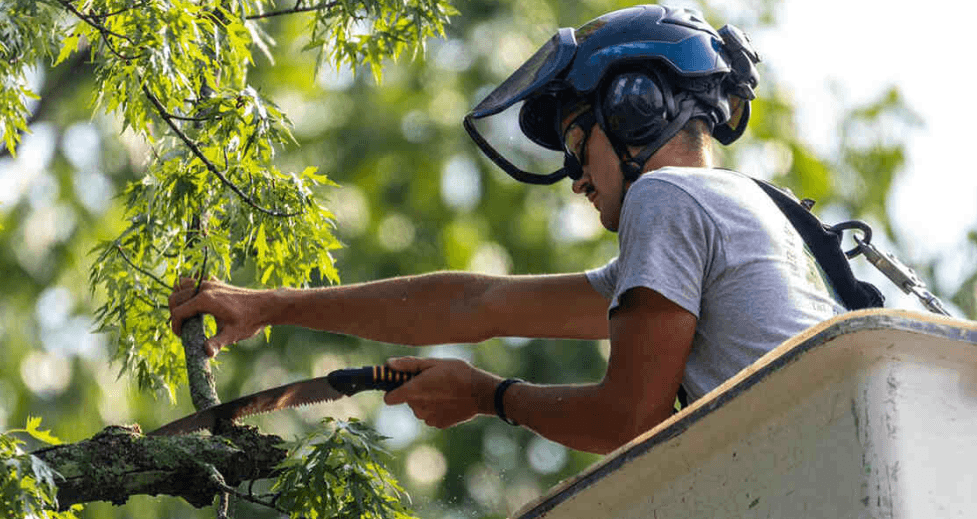
In Battle Creek, a mature tree can provide welcome shade, privacy, and character for years. But when its structure begins to fail, the same tree can threaten a roof, driveway, sidewalk, parked vehicle, or power line. A visible problem does not always mean removal is the only solution, but it does mean the tree deserves prompt attention. For homeowners and commercial property managers, arranging professional tree removal in Battle Creek can turn an uncertain situation into a safer, planned project. Addressing the concern early can also make it easier to protect surrounding landscaping, coordinate access to the property, and avoid rushed decisions after severe weather.
The most important step is acting before wind, saturated soil, ice, or a heavy limb transforms a manageable concern into an emergency. Brawner’s Tree Service can assess hazardous, dead, damaged, or unwanted trees and help determine whether trimming, monitoring, emergency work, complete removal, or stump grinding is the practical next move. A professional evaluation is particularly valuable when the tree is large, close to a structure, or located where people regularly walk, park, work, or play.
Start With the Signs You Can See From the Ground
You do not need to climb a tree or poke at a crack to recognize that something has changed. In fact, getting too close can create a serious risk. Brawner’s Tree Service recommends a safer approach: walking the property from a distance and looking for recent changes in the trunk, canopy, roots, and surrounding soil. Compare the tree with nearby trees of the same type when possible, since differences in leaf density, branch color, or overall shape may be easier to notice that way.
A New Lean Is Different From a Longstanding Lean
Some trees grow at an angle for decades and remain stable. The bigger concern is a tree that suddenly leans after a storm, an excavation project, or a long period of wet weather. Brawner’s Tree Service can help property owners recognize potential hazards, but watch for soil lifting on one side of the trunk, exposed roots, fresh ground cracks, or a root plate that appears to be pulling out of the yard. These conditions can indicate root failure, especially with larger trees near homes and high-traffic areas. Root damage can also occur after trenching, driveway work, utility installation, grade changes, or repeated soil compaction around a tree’s base.
Storm conditions can expose weaknesses that were not obvious before. Guidance on storm damage to landscape trees notes that saturated soils, restricted rooting areas, decay, and weak branch attachments can all contribute to failure. Around Battle Creek properties, that is a good reason to treat a newly leaning mature tree as an inspection priority rather than waiting for the next round of high winds. Even if the canopy still appears green, the supporting root system may have been weakened below ground.
Cracks, Cavities, and Decay Need a Closer Professional Look
A vertical crack in the trunk, a split between two large stems, a deep cavity, missing bark, or fungal growth near the base can point to structural weakness. Brawner’s Tree Service can help property owners assess these warning signs and determine when professional tree care may be appropriate. Not every hollow section means a tree must come down. However, decay in a major trunk or at the point where large limbs join can reduce the tree’s ability to withstand wind and snow load. Multiple trunks that form a narrow, V-shaped union can also deserve attention, particularly if there is visible cracking, included bark, or a large canopy extending over a target.
Look for mushrooms or shelf-like fungal growth at the trunk base, but do not assume every mushroom is proof of danger. The issue is the complete picture: species, size, location, visible decay, canopy condition, lean, roots, and what could be struck if the tree fails. A tree in an open section of a large lot presents a different risk than the same tree hanging over a child’s play area or a neighbor’s garage. Photographing visible changes can also help document whether cracks, leaning, bark loss, or canopy decline are getting worse over time.
Dead Limbs Become More Urgent When They Hang Over a Target
Deadwood often appears gray, bare, brittle, or without healthy buds when nearby limbs have leafed out. Large broken branches lodged in the canopy are especially concerning because they can fall without warning. A “target” can include a house, garage, deck, fence, driveway, sidewalk, business entrance, vehicle, or utility line. In public-facing areas, even a relatively small dead branch can create a significant liability and safety concern if it hangs above a path, entrance, or parking space.
Selective tree trimming may be enough when the main tree is healthy, and the hazard is limited to a few weak limbs. Removal may be the safer recommendation when significant deadwood is part of a larger decline, when the trunk is compromised, or when pruning would leave a severely unbalanced tree. Proper pruning focuses on reducing specific risks without unnecessarily stripping healthy foliage from the tree.
When Removal Is Safer Than Trimming
Tree removal should not be treated as an automatic response to every imperfection. A thoughtful decision considers the tree’s condition and the consequences of failure. Brawner’s Tree Service can help property owners distinguish between a tree that may benefit from care and one that has reached the point where controlled removal is the safer option. The tree’s location matters as much as its visible condition, because there is less room for error when a compromised tree stands near a home, service line, fence, or neighboring property.
- Trimming may be appropriate for isolated dead limbs, overgrown branches near a roof, crossing limbs, or weak growth on an otherwise healthy tree.
- Removal may be appropriate for a dead tree, one with extensive disease or trunk decay, a tree with a new lean and root movement, or a tree that has split through a major union.
- Emergency service may be necessary after a tree falls, partially uproots, breaks onto a structure, or leaves heavy limbs suspended overhead.
- Land clearing may be necessary when trees and brush must be removed for a driveway, an addition, a commercial project, a landscaping redesign, or other planned use of the property.
After a storm, do not attempt to pull a leaning tree upright with a vehicle, cut into a tensioned trunk, or climb a ladder with a chainsaw. Branches and trunks can shift suddenly as stored tension releases. Keep people, pets, and equipment out of the likely fall zone until the tree can be evaluated. If possible, move vehicles away from the area without passing beneath loose limbs or entering an area affected by power lines.
See also: Key Considerations for Launching a Business in 2026
Power Lines Change the Safety Plan
Any tree that touches, leans toward, or lies across a power line requires added caution. Never assume a line is harmless because it is quiet, appears disconnected, or is covered by a branch. Consumers Energy advises residents to treat power lines as energized and dangerous, avoid touching the tree, branch, or wire, and report a downed line to 9-1-1 and the utility.
Do not use household pruning tools near overhead wires. Keep clear of the area, prevent others from entering it, and let the utility address the electrical hazard before tree cleanup begins. Once the site is safe for access, a professional tree crew can address the fallen or hazardous tree material. This is not a situation for improvised cleanup, even when the branch appears small or the outage seems limited.
What a Planned Removal Project Can Include
A planned removal is more than cutting at the base and hoping the tree lands cleanly. The process should account for the tree’s height, lean, defects, available access, nearby buildings, landscaping, fences, and utility concerns. Depending on the site, the tree may need to be removed in controlled sections rather than as a single piece. This approach can be especially important in established neighborhoods where homes, sheds, gardens, and overhead obstacles leave little room for a direct fall.
Brawner’s Tree Service states that its process includes assessment, site preparation, removal, hauling logs and branches, and final cleanup. For Battle Creek properties with limited yard access or trees close to structures, this kind of planning helps reduce disruption while directly addressing the hazard. Property owners can also discuss whether wood should be hauled away, left in manageable pieces, or handled as part of the cleanup plan.
Do Not Forget the Stump
Once the tree is gone, the stump can remain a tripping hazard and take up valuable space in a lawn, garden bed, or future project area. Brawner’s Tree Service can help property owners address these remaining concerns through appropriate stump removal or grinding services. Decaying stumps may also encourage unwanted sprouts and attract insects. Stump grinding can bring the remaining wood below ground level so the area can be prepared for soil, grass seed, mulch, or new landscaping. It can also help create a more usable surface where a removed tree once interfered with mowing, walking, or planned improvements.
Ask Brawner’s Tree Service during the estimate whether stump grinding, chip removal, hauling, and site cleanup are included. Clarifying those details before work begins makes it easier to plan what the yard will look like once the project is finished.
How to Prepare for a Tree Service Estimate in Battle Creek
- Identify the trees or limbs that concern you and take photos from a safe distance.
- Note when the change appeared, particularly after wind, heavy rain, ice, construction, or digging near roots.
- Point out nearby targets such as roofs, fences, vehicles, walkways, sheds, and utility lines.
- Explain whether your goal is hazard reduction, full removal, trimming, stump grinding, brush removal, or land clearing.
- Ask what debris will be removed and whether the crew expects any access limitations.
It may also help to identify gates, narrow side yards, septic areas, irrigation components, decorative landscaping, or other site features the crew should know about before work begins. Clear communication helps the estimate reflect the actual scope of the project.
Act Before a Tree Emergency Forces the Decision
A tree rarely fails without giving any clues. A sudden lean, heaved soil, cracked trunk, decay, dead limbs, split canopy, or storm damage deserves attention before the next weather event adds more pressure. Early assessment gives Battle Creek property owners more choices and more control over cost, scheduling, and site protection. It also provides time to decide whether trimming, removal, stump grinding, or additional site work best fits the tree’s condition and the property’s future use. If a tree on your property appears unstable, damaged, dead, or too close to a structure, arrange a professional assessment and free estimate before the situation becomes an emergency.
Location: Brawner’s Tree Service | 329 Buick Dr, Battle Creek, MI 49015 | (269) 371-5449 | https://brawnerstreeservice.com/