Tennis Ball Machine Buying Guide: Why Tenniix Basic Stands Out
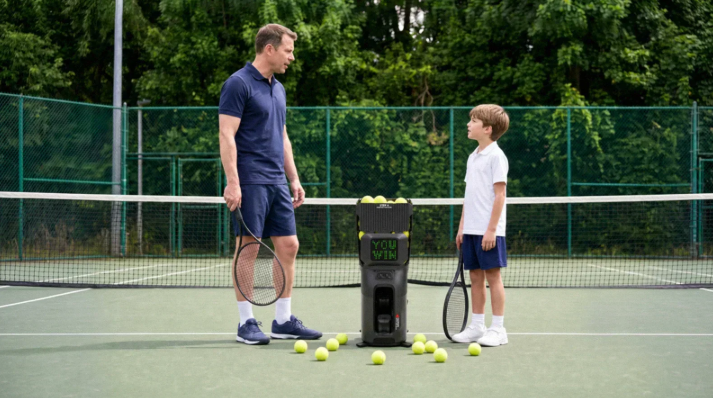
Buying a tennis training machine is a bigger decision than it might first appear. The market ranges from bare-bones feeders that do little more than lob balls at a fixed pace to advanced AI systems built for competitive training. For most players — especially those training independently for the first time — the real question isn’t “which machine has the most features,” but “which machine actually fits how I practice.” This guide breaks down what to look for and why the Tenniix Basic has become a popular starting point for players building a serious solo practice routine.
What to Look For in a Tennis Ball Machine
Before comparing specific models, it helps to know which features actually matter for day-to-day training rather than just sounding impressive on a spec sheet.
Shot variety. A machine limited to one or two shot types quickly becomes repetitive and doesn’t develop well-rounded skills. Look for machines that support multiple shot types — flat drives, topspin, slice, lobs — so practice can target different parts of a player’s game.
Ball capacity. Higher capacity means fewer interruptions to reload, which keeps sessions focused and efficient rather than stop-start.
Portability. A machine that’s difficult to transport often ends up used less frequently. For players practicing at different courts or club facilities, weight and setup time matter as much as on-court performance.
Control flexibility. App-based or remote control lets players adjust settings between drills without walking back and forth to the machine, which matters more than it seems once you’re mid-session.
Upgrade path. Since training needs change as skill improves, it’s worth considering whether a machine has room to grow with a player rather than needing full replacement down the line.
See also: The Impact of Artificial Intelligence on Everyday Life
Why the Tenniix Basic Fits Most Players’ Needs
The tennis ball machine category has plenty of options, but the Tenniix Basic stands out by covering the fundamentals well without unnecessary complexity. It’s a lightweight machine designed specifically for customizable solo training, carrying up to 100 balls — enough capacity for extended sessions without frequent reloading.
It supports nine shot types, along with adjustable speed, spin, and trajectory, giving players enough variation to build a genuinely useful practice routine rather than just repeating the same shot pattern. App and voice controls mean drills can be changed remotely mid-session, which keeps practice efficient and reduces the friction of manually adjusting a machine between different types of shots.
The Modular Design Advantage
One detail that sets the Basic apart from many entry-level machines is its modular design, which supports later AI upgrades. This matters more than it might initially seem. Many players start with fundamental repetition training and later want more advanced features like vision-based tracking or adaptive drills as their game develops.
Rather than requiring a full machine replacement to access those capabilities, the Basic’s modular approach means the investment made today doesn’t become obsolete as training needs evolve. This is a meaningful consideration for players who are serious about long-term improvement but don’t want to overspend before they know exactly what advanced features they’ll actually use.
When to Consider a More Advanced Machine
While the Basic covers solid fundamentals well, some players will eventually want the added capabilities found in more advanced systems. The Tenniix Ultra, for example, adds an omnidirectional mobility module that allows the machine to move sideways, backward, and diagonally to simulate varied court angles, combined with AI vision that follows play in real time.
This kind of dynamic movement is built for players focused on full-court, opponent-style simulation — useful for competitive players who need practice that closely mirrors match conditions. For someone still developing consistency and basic shot mechanics, though, this level of complexity often isn’t necessary yet, which is exactly why understanding your current training stage matters before choosing a machine.
Matching the Machine to Your Training Stage
The right buying decision comes down to being honest about where you are as a player and what your training actually requires:
- New or developing players benefit most from consistent, customizable repetition — exactly what a lighter, portable machine focused on fundamentals provides.
- Intermediate players working on shot variety and consistency get strong value from adjustable speed, spin, and multiple shot types without needing advanced AI tracking yet.
- Competitive or advanced players who need match-simulation training, full-court movement, and adaptive drills are better served by higher-tier systems with vision-based tracking and mobility features.
Buying more machine than you currently need doesn’t necessarily speed up improvement — in many cases, mastering fundamentals with a well-designed basic machine builds a stronger foundation before advanced features become genuinely useful.
Final Thoughts
A tennis ball machine is a long-term training investment, and the right choice depends less on having every available feature and more on matching the machine to your actual practice needs. The Tenniix Basic stands out by covering shot variety, ball capacity, and remote control well, while its modular design leaves room to grow into more advanced training later without needing to start over.
FAQs
1. How many balls does the Tenniix Basic hold? It carries up to 100 balls, allowing for extended practice sessions without frequent reloading.
2. What shot types can I practice with this machine? The Tenniix Basic supports nine shot types, along with adjustable speed, spin, and trajectory for varied drills.
3. Can I upgrade the machine later instead of buying a new one? Yes. Its modular design is built to support later AI upgrades, allowing players to add advanced features as their training needs evolve.
4. When should I consider a more advanced machine instead? Players focused on full-court, match-style simulation with dynamic movement and AI vision tracking may benefit from a more advanced system built for that level of training.
5. Is a lighter, portable machine enough for serious training? For players still building consistency and shot variety, a portable machine with adjustable settings often provides more practical value than a more complex system, especially early in a training routine.