Laser Engraving or CNC Routing? Comparing the TTC450 Pro to TwoTrees Lasers
Choosing between laser engraving and CNC routing can feel confusing for new makers. Both options offer exciting creative possibilities. But they work in very different ways.
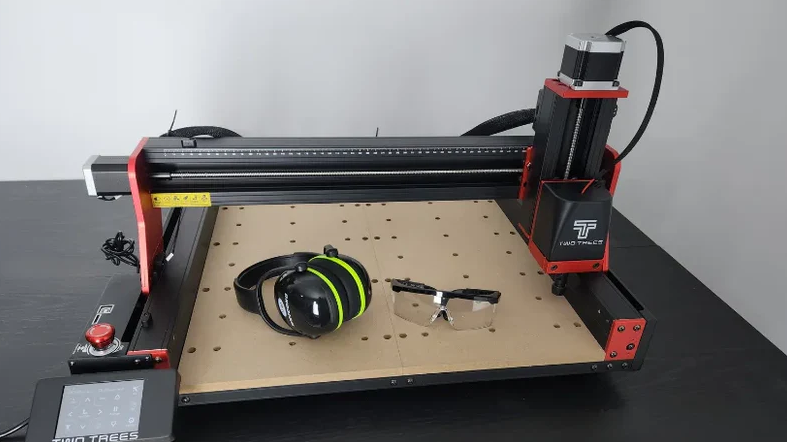
This guide compares the TTC450 Pro CNC router with dedicated laser engravers. It will help you understand which option fits your project goals best.
How CNC Routing Works
CNC routing uses a spinning bit to cut and carve materials. This method works well for projects that need depth, texture, or 3D shapes.
The machine follows a digital design, removing material layer by layer. This creates raised or carved effects that lasers cannot easily produce.
A CNC engraving machine like the TTC450 Pro gives users the ability to create detailed carvings, signs, and functional parts with real depth.
Benefits of CNC routing include:
- Ability to cut through thick materials
- Creates raised and carved textures
- Good for functional parts and joinery
- Works well with wood, plastic, and soft metals
See also: The Impact of Artificial Intelligence on Everyday Life
How Laser Engraving Works
Laser engraving uses a focused beam of light instead of a spinning bit. This method burns or vaporizes the surface of a material to create a design.
Lasers are known for producing fine, detailed designs with sharp lines. They work especially well for flat surfaces and artistic projects.
Many makers exploring diode laser engravers appreciate how quickly these machines can produce clean, detailed artwork compared to traditional cutting methods.
Benefits of laser engraving include:
- Fast, detailed surface designs
- Works well on flat materials
- Great for photos, text, and fine art
- Often quieter than CNC routing
Key Differences Between the Two Methods
Understanding the core differences can help you choose the right tool for your projects.
Depth and Texture
CNC routers can carve deep into materials, creating raised designs. Lasers mostly work on the surface, without adding depth.
Material Thickness
CNC routers handle thicker materials better. Lasers work best on thinner or flat surfaces.
Project Type
If you want functional parts, joints, or 3D shapes, a CNC router is often the better choice. If you want detailed artwork or engraving, a laser may be the stronger option.
Noise and Setup
CNC routing can be louder due to the spinning bit. Laser engravers often run more quietly during use.
Which Option Fits Your Projects Best?
Choosing between these two tools depends on your goals. A few questions can help guide your decision.
- Do your projects need depth or just surface designs?
- Are you working with thick or thin materials?
- Do you want to build functional parts or artistic pieces?
- How much noise are you comfortable with in your workspace?
- Do you eventually want to use both methods together?
Many makers actually enjoy using both tools for different types of projects.
Tips for Getting Started with Either Method
No matter which tool you choose, a few habits can help you get better results early on.
- Always test settings on scrap material first
- Learn basic software features before starting a real project
- Keep your workspace clean and organized
- Follow safety guidelines during operation
- Start with simple designs before moving to detailed work
Building these habits early will help you avoid common beginner mistakes.
FAQ
1. Can I use both CNC routing and laser engraving for the same project?
Yes. Many makers combine both methods to add depth and fine detail to their work.
2. Which method is better for beginners?
Both can work for beginners, but laser engraving is often seen as simpler for flat, detailed designs.
3. Does CNC routing work on all materials?
Most CNC routers work well with wood, plastic, and some soft metals, but always check machine specifications first.
4. Is laser engraving faster than CNC routing?
Often, yes. Laser engraving can complete detailed surface designs more quickly than carving with a CNC router.
5. Which option is better for making functional parts?
CNC routing is usually better for functional parts since it can cut deeper and create precise joints.
Conclusion
Both CNC routing and laser engraving offer unique benefits for makers. CNC routing works well for depth, texture, and functional parts. Laser engraving shines when it comes to fast, detailed surface designs.
Understanding your project goals will help you choose the right tool, or even combine both methods for even more creative possibilities.