Resurface or Replace: When Concrete Restoration Is the Right Call
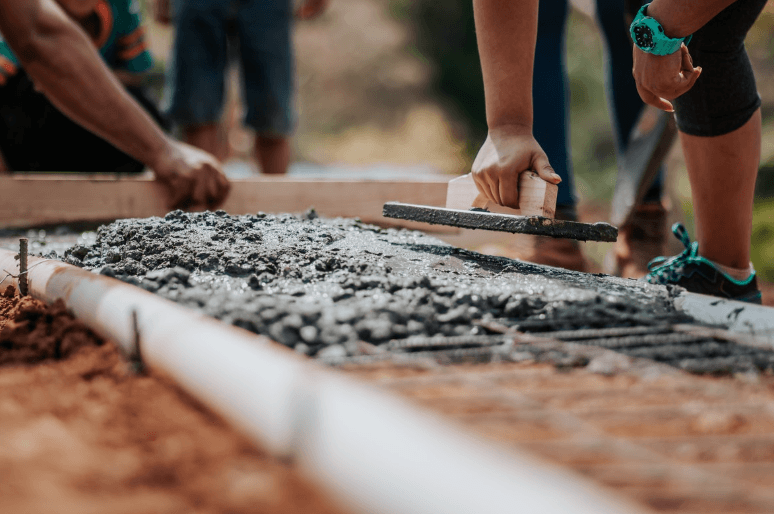
A homeowner standing on a cracked, stained, or worn concrete driveway, patio, or pool deck faces a binary-feeling question. Tear it out and start fresh, or apply some kind of restoration treatment that brings it back to life. The two approaches have wildly different costs, timelines, and outcomes. Choosing the wrong one wastes either thousands of dollars or weeks of effort.
The good news is that most concrete surfaces in Texas can be successfully restored rather than replaced. The conditions that genuinely require demolition and new pouring are less common than people assume. The conditions that look like they require replacement but are actually restoration candidates are very common.
Understanding when concrete resurfacing services are the right answer, and when they are not, can save homeowners significant money and disruption. Here is the framework for making that decision honestly.
What Concrete Resurfacing Actually Involves
Concrete resurfacing covers a category of treatments that apply a new wearing surface over existing concrete rather than removing and replacing the slab. The base concrete stays in place. A new layer, typically between one-eighth and one-half inch thick, bonds to the cleaned and prepared surface and becomes the new visible top.
The materials used range from simple cement-based overlays to advanced polymer-modified mixes that bond exceptionally well to old concrete. The application methods range from troweled or sprayed thin overlays to thicker stamped or stenciled treatments that can mimic stone, tile, or brick. The finished surface can be functionally and aesthetically equivalent to new concrete at a fraction of the cost.
Done well, resurfacing produces a result that the homeowner cannot visually distinguish from a brand new slab. Done poorly, resurfacing fails dramatically as the overlay separates from the base concrete. The difference is almost always in the preparation and the product selection, not the technique itself.
When Resurfacing Is the Right Call
Most concrete surface problems are surface problems. The base slab is structurally sound. The issues are cosmetic, superficial, or limited to the top portion of the concrete. These are the ideal candidates for resurfacing:
- Cosmetic damage. Stains, discoloration, faded color, or general dullness that has accumulated over years. Resurfacing replaces the visible top entirely with a fresh surface.
- Surface cracks. Hairline cracks and minor surface fissures that do not extend through the full depth of the slab. These can be addressed during resurfacing without compromising the new finish.
- Spalling and pitting. Surface damage where small chunks have broken off, leaving rough spots, divots, or shallow craters. Resurfacing fills and covers these effectively.
- Outdated appearance. Concrete that is structurally fine but looks dated or wrong for the home. Decorative resurfacing can transform a plain slab into stamped concrete, stained concrete, or other premium-looking finishes.
- Worn finishes. Concrete that has lost its original sealer or treatment and looks aged but is otherwise intact.
When Replacement Is the Honest Answer
Some conditions genuinely require demolition and new pouring. Resurfacing over these problems delivers a short-term cosmetic fix that fails predictably within months or years.
- Structural cracks. Cracks that extend through the full depth of the slab, particularly those that show vertical displacement on either side, indicate the slab itself has failed. Resurfacing cannot bridge this kind of damage.
- Significant settlement. When one section of a slab has settled lower than adjacent sections, indicating soil failure underneath, the underlying problem will continue. Resurfacing the lowered slab does not address the soil.
- Severe heaving. Slabs that have been pushed up by expansive soils or tree roots have a structural problem that resurfacing cannot solve.
- Extensive deep deterioration. When the top inch or two of the slab is crumbling or has lost integrity, the substrate the resurfacing would bond to is itself compromised.
- Drainage failures. Slabs that pond water or drain incorrectly will continue to do so even after resurfacing. If the existing slope is wrong, replacement is the only way to fix it.
How to Tell Which Category Your Concrete Is In
The diagnostic test for resurfacing candidacy is straightforward. Walk the surface and look for:
- Cracks. Are they hairline (under 1/8 inch wide) or larger? Do they show vertical displacement?
- Drainage. Does water flow away properly when it rains, or does it pond?
- Movement. Walking across the surface, do sections feel level relative to each other, or do you notice height differences between adjacent slabs?
- Substrate integrity. Tap on the surface with a small hammer. Does it ring solidly, or do you hear hollow sounds in certain areas?
- Edges and joints. Are expansion joints intact, or have they failed and allowed adjacent slabs to move independently?
If the answer to most of these favors structural integrity, with only cosmetic or shallow surface issues, resurfacing is likely viable. If structural problems are visible, replacement is the honest answer regardless of how appealing the cost savings of resurfacing might be.
See also: AI Receptionist Are Changing How Businesses Handle Calls
The Cost Comparison
Concrete replacement typically costs between $7 and $15 per square foot for a residential driveway, patio, or pool deck, depending on access, demolition complexity, and finish. Resurfacing typically costs between $3 and $8 per square foot for an equivalent visual outcome, with decorative options at the higher end of that range. According to industry data on the concrete coatings and resurfacing market, the broader category has expanded significantly as homeowners increasingly choose restoration over replacement for surfaces that do not require full demolition. The savings can be substantial, particularly for larger surfaces where the difference of a few dollars per square foot compounds across hundreds or thousands of square feet.
Beyond the direct cost, replacement involves demolition disruption, removal of debris, several days or weeks of cure time on the new slab before use, and the risk that adjacent landscaping or hardscape elements get damaged in the process. Resurfacing avoids most of this, with typical projects completed in one to three days and the surface usable shortly after.
The Bottom Line
The decision between resurfacing and replacement is fundamentally about whether the concrete has a structural problem or just a surface problem. Structural problems require replacement. Surface problems can almost always be addressed through resurfacing at a fraction of the cost and disruption.
An honest contractor will tell you which category your specific concrete falls into. The wrong recommendation in either direction wastes money. The right one delivers a surface that performs and looks the way you want it to for years to come.