Why Do Seasonal HVAC Tune-Ups Prevent Emergency Breakdowns?
Seasonal HVAC tune-ups help heating and cooling systems stay reliable before extreme weather places heavy demand on them. Many breakdowns do not happen suddenly; they begin as small issues that grow unnoticed inside the system. Dust buildup, loose wiring, weak airflow, worn parts, or low refrigerant can slowly reduce performance until the unit fails during peak use. A tune-up gives technicians a chance to inspect, clean, adjust, and test the system before those problems become urgent. This preventive care supports comfort, reduces stress on equipment, and lowers the risk of expensive emergency service calls.
What Tune-Ups Prevent
Small Problems Are Found Early
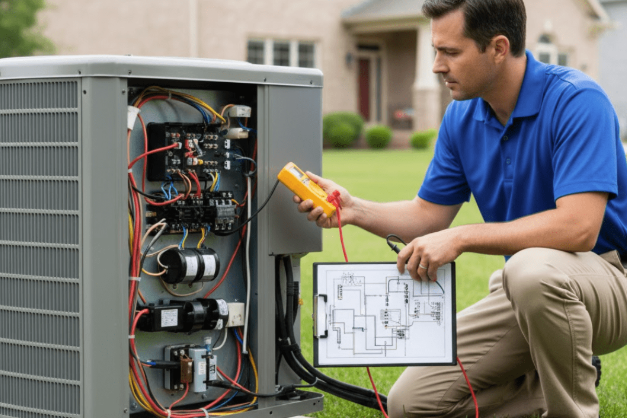
Seasonal tune-ups prevent emergency breakdowns by catching small problems before they interrupt heating or cooling. An HVAC system may still run even as parts wear out, but that does not mean it is operating safely or efficiently. A weak capacitor, dirty coil, loose electrical connection, clogged drain line, or aging belt can continue working for a while before failing without warning. During a tune-up, these parts are checked under normal operating conditions, making it easier to see where strain is building. Homeowners who schedule service with Tuck & Howell can address these issues before seasonal demand increases and repairs become more stressful. Early detection also helps avoid chain reactions inside the system. One failing part can force another part to work harder, creating larger damage. By correcting small issues at the right time, tune-ups reduce the risk of sudden shutdowns.
Cleaning Helps the System Work Smoothly
Dirt and debris are common causes of HVAC trouble because they restrict airflow and force the system to run longer than necessary. Dust on coils reduces heat transfer, while clogged filters limit the amount of air moving through the equipment. When airflow drops, the system may overheat, freeze, short-cycle, or struggle to reach the thermostat setting. Seasonal tune-ups include cleaning key components, checking filters, clearing drain lines, and ensuring vents and coils are not blocked. This improves comfort because conditioned air moves more evenly through the home. It also protects the system from unnecessary strain. A clean HVAC unit does not have to fight against buildup every time it runs. That smoother operation reduces wear on motors, compressors, and fans, lowering the risk of breakdowns during hot afternoons or cold nights when the system is needed most. Regular inspection of cooling components helps prevent unexpected system failures during months of heavy usage. When preparing equipment for warmer weather, reviewing professional options such as https://www.sandhillsheating.com/services/air-conditioning can help ensure all mechanical parts function efficiently. Keeping these systems properly maintained supports consistent indoor comfort and prevents excessive wear on essential parts over time.
When these summer cooling demands build up, ensuring the outdoor unit is clear and fully functional helps maintain proper airflow. Homeowners who notice minor inconsistencies in temperature or airflow can benefit from an ac repair to address hidden faults before the peak heat sets in. Timely intervention keeps energy consumption predictable and protects critical system components from early failure.
Adjustments Reduce Mechanical Stress
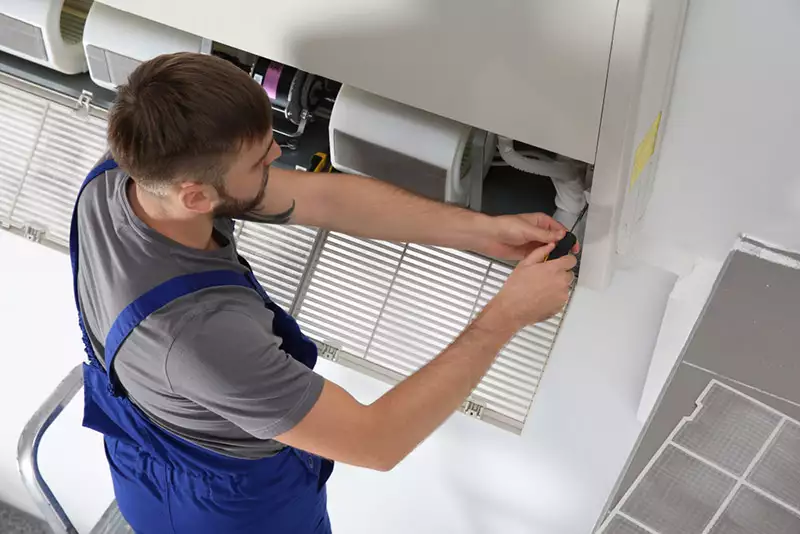
HVAC systems depend on balance. Electrical parts, moving components, refrigerant levels, thermostat settings, blower operation, and safety controls all need to work together. If one part is slightly off, the entire system may become less stable. Seasonal tune-ups help restore that balance through testing and adjustment. Technicians may tighten connections, lubricate moving parts, check refrigerant pressure, test safety switches, inspect burners, and confirm that the thermostat is communicating correctly. These details matter because emergency breakdowns often come from stress that builds over time. A motor that runs too hot, a compressor that starts too often, or a blower that struggles against poor airflow may eventually stop working. Proper adjustments reduce that pressure and help the system operate within its intended range. When the unit operates under lower stress, it is less likely to fail suddenly during heavy seasonal use. Maintaining these minor technical updates directly supports overall indoor comfort and efficiency. When unexpected mechanical failures occur despite seasonal care, finding experienced technicians for heater repair near me helps restore household warmth quickly. Prompt professional support ensures components are properly calibrated, keeping the system reliable and efficient throughout the changing seasons.
See also: How to Advertise a Business on Facebook, Instagram, and TikTok
Seasonal Timing Protects Peak Performance
Tune-ups are most useful when scheduled before the system enters its busiest months. Cooling equipment should be checked before summer heat arrives, and heating equipment before colder weather begins. This timing allows hidden problems to be handled before the system is pushed harder each day. During peak seasons, HVAC companies often receive more emergency calls, making urgent repairs more inconvenient and stressful. Preventive service helps homeowners avoid waiting until the system stops working completely. It also allows repair decisions to be made calmly instead of under pressure. Seasonal tune-ups support better energy use, more consistent temperatures, and longer equipment life because the system begins the season prepared. Instead of reacting to failure, homeowners can keep their equipment ready for changing weather conditions, reducing the risk of uncomfortable indoor conditions and unexpected repair bills.
Seasonal HVAC tune-ups prevent emergency breakdowns by keeping equipment clean, balanced, tested, and ready for heavy use. They reveal hidden wear, improve airflow, reduce mechanical strain, and correct small issues before they grow into major failures. This type of maintenance also helps homeowners avoid rushed repair decisions during extreme weather, when comfort matters most. A system that receives regular attention is more likely to run efficiently, last longer, and deliver steady indoor temperatures. By treating HVAC care as seasonal preparation rather than a reaction to failure, homeowners can protect comfort, lower repair risks, and reduce unexpected expenses.