5 Questions To Ask About The Shape Of Your Final Implant Crown
You finally got to the stage where the implant crown is being designed, and instead of feeling relieved, you may be staring at photos, mirrors, and mockups wondering why this still feels uncertain about your dental implant in Walnut Creek. That reaction makes sense. The implant itself sits under the gum, but the crown is the part you see, bite with, and judge every day. If the shape feels off, you notice it every time you smile or chew.
A lot of people assume the hard part is over once the implant is placed. Then the final crown discussion starts, and the details suddenly matter more than expected. The width, length, contour, and bite all affect comfort, speech, cleaning, and how natural the tooth looks next to the others. Asking the right questions early can save you from living with a result that looks acceptable on paper but never feels like your tooth.
If you are planning treatment with an implant and cosmetic dentist, the goal is not just to replace a missing tooth. The goal is to get a crown shape that fits your face, bite, and daily habits. That is where these five questions help.
The final implant crown shape affects comfort, cleaning, and appearance
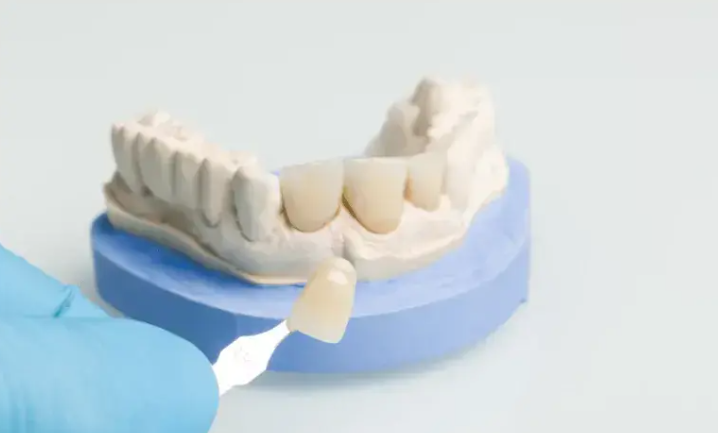
The first question to ask is this: Will the crown shape match the teeth around it in width, length, and contour? A crown can be technically sound and still look slightly bulky, flat, or too narrow. In the front of the mouth, even a small mismatch can catch your eye right away. In the back, shape affects how food clears away and how your bite lands. If one side feels taller or wider, you may start chewing differently without realizing it.
The second question is: How will the crown shape support my gums and the space between teeth? This matters because the crown does not sit in isolation. It meets the gumline and the adjacent teeth, and that contact changes the way the smile looks. Too much pressure can irritate tissue. Too little support can leave dark spaces that trap food and make the tooth look artificial. Research on dental materials and restorations keeps improving the way crowns are made, but design still depends on careful planning.
The third question is: Will this shape be easy for me to clean every day? A crown that looks smooth in the chair can still create hidden plaque traps near the gumline. If floss catches, if the contour is too full, or if the emergence profile is too abrupt, home care becomes harder. That increases the risk of inflammation around the implant. Good oral hygiene habits matter even more when you have an implant, because healthy tissue is part of what keeps the result stable.
The wrong implant crown contour can create problems you feel every day
The fourth question is: How will this crown shape affect my bite, speech, and chewing? People often focus on color first, but function is where disappointment tends to show up. A crown that is a little too long may click before the rest of your teeth touch. A front tooth crown with the wrong edge shape can change how certain words sound. A back crown with shallow anatomy may not chew well, while one with grooves that are too deep can create stress in your bite.
This is where a temporary crown or prototype can be useful. If your dentist offers a chance to test the shape before the final version is made, take it seriously. Say if it feels thick. Say if your lip catches on it. Say if you keep tapping that tooth first when you close. Those small complaints are not vanity. They are clues.
The fifth question is: What are my options if I do not like the shape at the try in or delivery stage? This matters because many patients stay quiet. They worry about seeming difficult, or they assume they just need time to adjust. Some adjustment is normal. Constant awareness of the crown is not. A thoughtful discussion about revisions, polishing, contour changes, or remaking the crown can prevent months of frustration.
This is also where people start searching for advice on questions about your implant crown shape or a final dental implant crown because they sense something is off but cannot put it into words. You do not need perfect dental vocabulary. You just need to describe what you feel.
Clear comparison points make the crown design conversation easier
| Concern | Well Designed Crown Shape | Possible Problem If Shape Is Off |
| Width and length | Blends with nearby teeth and smile line | Looks too large, too short, or obviously different |
| Gum support | Supports tissue without pressure and reduces dark gaps | Black triangles, irritation, food trapping |
| Cleanability | Allows floss and brushing around the implant crown | Plaque buildup and sore gums |
| Bite contact | Shares force evenly with other teeth | Soreness, chipping, clenching on one tooth |
| Speech and lip feel | Feels natural when talking and smiling | Lisping, rubbing, awkward lip movement |
If you need a clearer picture of the treatment process itself, this overview of dental implant procedures explains the basic steps. That helps when you are trying to understand where crown design fits into the bigger timeline.
Small steps now can prevent long term regret with cosmetic dentistry and implant work
Ask to see the crown from more than one angle. Do not judge it only from the front. Look at the side, the biting surface, and the way it meets the gum. If the implant crown is in a visible area, ask for photos while you smile, speak, and rest your lips naturally.
Describe function, not just appearance. Say if food catches there. Say if the tooth feels too full near your tongue. Say if you hit it first when you bite. Dentists can work with specific feedback much better than “it just feels weird.”
Get clarity on what can still be changed. Before the final crown is cemented or screwed in, ask what adjustments are simple and what would require a remake. That conversation is especially useful in implant crown design cases where tiny contour changes can make a big difference.
See also: Short-Form Video Marketing for Business Growth
The best final implant crown shape is the one that feels like it belongs
You are not overthinking this. The shape of your final crown affects how you look, how you eat, and whether the implant becomes part of daily life or a constant distraction. A good result usually feels quiet. You stop noticing it. That is the standard to aim for.
If you are in the planning stage, or if a crown already feels off, bring these five questions to your next visit and ask for direct answers. A careful conversation now can lead to a result that looks natural, cleans well, and feels right for years.