Weak Airflow at Home Could Mean Bigger AC Trouble Ahead
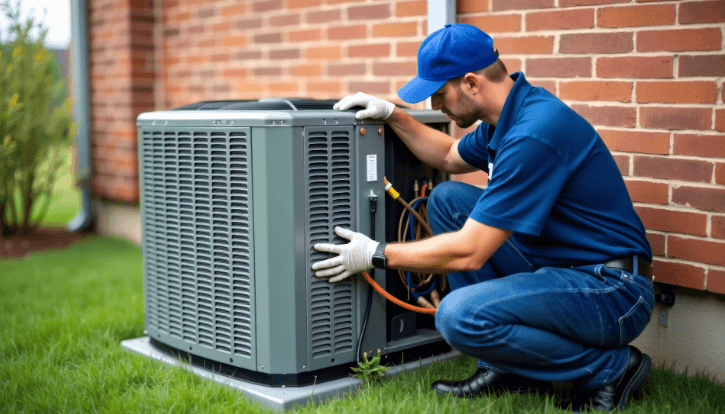
When your air conditioner is running but the air coming from the vents feels weak, it is easy to think it is just a small issue. Many people ignore it at first because the unit is still turning on and still making some cool air. But weak airflow is often one of the first signs that something more serious is happening inside the system, which is why Viking Cooling & Heating serving San Diego encourages homeowners to pay attention early. If you deal with it early, you may avoid a bigger repair, higher energy bills, or a complete breakdown on a very hot day.
Weak airflow is usually a sign, not a small inconvenience
A weak stream of air from your vents often means your cooling system is under stress.
A dirty filter or blocked airflow path may be the cause
One of the most common reasons for weak airflow is a dirty air filter. Over time, filters collect dust, pet hair, and other debris. When that happens, air cannot move through the system as freely as it should. This can make your home feel stuffy, reduce comfort in different rooms, and force the unit to run longer to try to keep up. In some homes, duct issues can also slow airflow and make the problem even worse.
The blower motor may be struggling
Your system depends on the blower motor to push cooled air through the ducts and into your rooms. If that part starts to wear out or loses strength, the airflow can drop before the system stops working completely. You may also notice strange sounds, weaker cooling, or the unit cycling on and off more often than normal. What seems like a small airflow issue can actually be an early warning that an important part needs attention.
Frozen coils can make airflow feel much weaker
Low refrigerant or dirty coils can lead to the evaporator coil freezing over. When that happens, air cannot move through the system properly, so the airflow coming from the vents becomes much weaker. Many homeowners do not realize this because they expect a frozen part to mean colder air, not less air. But once ice builds up, your system cannot breathe the way it should.
Waiting too long can turn a small problem into a costly one
Weak airflow rarely stays small forever.
Your AC may work harder while cooling less
When air is not moving properly, the system has to run longer to reach the temperature set on the thermostat. That means more strain on the equipment and more energy being used every day. The result is frustrating. You pay more on your power bill, but your home still does not feel as cool or as comfortable as it should.
Small repair issues can grow into bigger failures
Weak airflow can be connected to a worn motor, electrical trouble, frozen coils, blocked ducts, or a system that is slowly breaking down. If ignored, those issues can lead to full cooling loss, water leaks, loud noises, or even emergency repair needs. That is why it helps to call for professional AC repair when you first notice the problem instead of waiting for the entire system to stop.
Fun fact your central air system moves a huge amount of air every single day, so even a small restriction can have a surprisingly big effect on comfort.
Weak airflow can also reveal larger comfort issues in the home
Sometimes the problem is not just inside the AC itself.
Your cooling system works as part of a bigger setup that includes ducts, filters, thermostats, and indoor air quality features. If one part is off, the whole house can feel less comfortable. A professional cooling company may look at more than just the unit itself. In many cases, the real solution may involve AC repair, duct service, thermostat checks, better airflow balancing, or indoor air quality support to help the home feel evenly cooled again.
See also: Multi-Purpose Seating Systems: How Sofa Beds Improve Home Versatility
Some systems need repair while others are ready for replacement
Not every weak airflow issue means you need a brand-new system. Sometimes a simple repair solves the problem. Other times, weak airflow shows up again and again because the unit is older, worn down, and no longer working efficiently. If the system is breaking often, struggling to cool, and raising your bills year after year, replacement may make more sense than another short-term fix.
Different cooling systems need different kinds of attention
Homes do not all use the same type of cooling equipment. Some rely on central air, while others use mini splits or heat pumps. Airflow issues can look a little different depending on the system. That is why it helps to have service that covers more than one cooling setup, along with maintenance that helps catch problems before they turn into major repairs.
Temporary cooling solutions show how serious airflow and cooling problems can become
Even though most weak airflow problems start in a home setting, cooling trouble can become a much bigger issue in other situations.
In larger properties and demanding environments, temporary cooling can become the best answer when an existing system stops working or cannot handle the load. Portable chiller rental units are made for those moments. They are used for commercial air conditioning, process refrigeration, production support, bottlenecks, inlet air cooling, and other situations where temperature control matters, much like portable heaters are used when a space needs fast, flexible heat. These units are typically sized for the job, delivered quickly, installed by trained professionals, and maintained until they are no longer needed. They are also designed for year-round use and can often be deployed fast when cooling problems cannot wait. While most homeowners will never need this kind of large-scale temporary equipment, it shows how airflow and cooling issues can range from a clogged filter in a house to serious equipment failure that requires an immediate backup solution.
The smartest move is to act early
Weak airflow is your chance to catch a problem before it gets worse.
Watch for signs that appear along with weak airflow
If weak airflow comes with warm air, uneven room temperatures, odd noises, short cycling, leaks, or rising energy bills, your system is likely telling you something important. These issues usually do not go away on their own. In many cases, they grow worse over time and become more expensive to fix.
A full inspection is better than a quick guess
A trained technician should do more than stand near a vent and say the airflow feels low. A real inspection should look at the filter, blower motor, refrigerant level, coils, thermostat, and airflow path. That kind of full check helps uncover the true reason behind the problem. From there, the right fix may be repair, maintenance, duct work, indoor air quality improvements, or replacement if the system is near the end of its life.
Fun fact: The air inside your home can sometimes be more polluted than outdoor air, which is one reason airflow problems and indoor air quality often go hand in hand.
Weak airflow may not seem urgent at first, but it is often your AC’s early way of asking for help. When you take it seriously, you can protect your comfort, lower the chance of a breakdown, and keep your home feeling cool when you need it most.