How to Spot Overloaded Circuits From Everyday Appliance Use at Home?
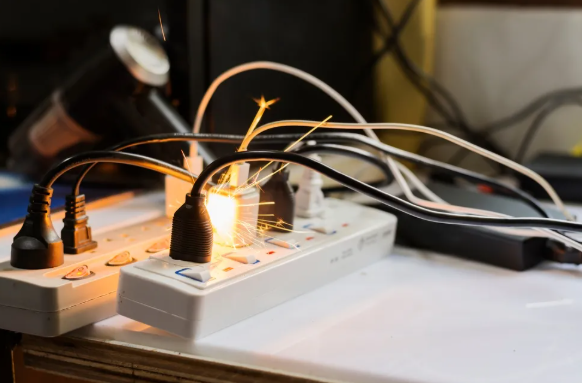
An overloaded circuit is one of the most common hidden electrical problems in busy homes because it builds up over time through normal habits rather than through dramatic failures. You plug in a space heater during winter, run the microwave while the toaster is on, charge devices in every room, and add a portable AC in summer. Suddenly, a circuit that handled yesterday’s routine starts tripping or running hot. The danger is not only inconvenience. Repeated overloads can overheat wiring connections, loosen terminals, and wear out breakers over time. Overloads also show up in subtle ways first, such as warm outlet covers or flickering lights when a motor starts. The good news is that you can often spot an overload pattern by paying attention to when issues occur, which appliances are running together, and which outlets seem tied to the same breaker. The goal is to identify high-draw combinations early, spread loads safely, and know when a circuit needs an upgrade or a dedicated line.
Everyday clues you can use
- Recognize the High-Draw Appliances That Add Up Fast
Many overloads come from a few high-wattage appliances that people do not realize are sharing the same circuit. Space heaters, portable AC units, hair dryers, kettles, toaster ovens, microwaves, air fryers, and vacuum cleaners can each draw a large amount of current, and using two of them at the same time can push a standard 15-amp circuit past its safe limit. Even appliances that cycle, like refrigerators, freezers, dishwashers, and sump pumps, can contribute because their startup surge briefly increases current. If you have a circuit that trips only sometimes, think about what was running during those moments. A toaster plus a coffee maker may be fine until the microwave starts, or a hair dryer may be fine until the bathroom fan and a heater turn on together. Another trap is the power strip illusion. A strip adds outlets but does not increase the circuit capacity, so plugging more devices into one location can overload the same branch circuit more quickly. Also consider seasonal changes. In winter, heaters add load. In summer, fans and portable cooling add load. Identifying the high-draw items in your routine is the first step, because overloads are rarely caused by phone chargers alone.
- Spot the Warning Signs Before the Breaker Trips
Breakers are designed to trip before wiring overheats, but relying on trips as your only warning is risky. There are earlier signs. Lights that dim briefly when an appliance starts, outlets that feel warm, and plug blades that look discolored can suggest heavy current and heat at the connection point. A buzzing sound from a receptacle or switch is another warning, especially if it occurs only when a specific appliance is running. Pay attention to smells too. A faint hot plastic odor near an outlet or in a hallway can indicate a connection heating under load. If you notice that these symptoms occur most often during certain routines, such as cooking, laundry, or hair styling, that is a clue that the circuit is near its limit. In older homes, loose terminal screws or backstabbed receptacle connections can heat up faster under load, so that overload patterns can reveal connection weaknesses. If you live in Lansdowne or any area with older housing stock, circuits may have been designed for fewer modern appliances, which makes overload detection even more important before adding new devices.
- Map What Is on Each Circuit Using Simple Steps
You do not need advanced tools to learn which outlets and lights share a breaker. Start by turning on a few lights and plugging a small lamp or device into outlets in the area you suspect. Then turn off one breaker at a time until the lamp goes out and those lights shut off. Write down what was affected by that breaker, including outlets in nearby rooms, hallways, and sometimes outside receptacles, because circuits often span unexpected areas. This mapping helps you see when a kitchen counter outlet shares a circuit with dining room lighting, or when a bathroom outlet is tied to a hallway receptacle where someone plugs in a heater. Once you know what is grouped, compare it to your daily appliance use. If multiple high-draw appliances are on the same breaker, the fix may be as simple as changing habits, such as running the microwave when the kettle is off, or plugging the space heater into a different circuit. Mapping also helps you avoid risky assumptions. Two outlets on opposite walls can be on the same circuit, while two adjacent outlets can sometimes be on different circuits depending on how the home was wired.
See also: Are your windows ready for spring maintenance or replacement?
Catch Overloads Early and Stay Safe
Overloaded circuits from everyday appliance use often announce themselves with patterns: trips during cooking, dimming lights when a heater turns on, warm outlets, or buzzing and hot smells near plugs. The cause is usually a combination of high-draw appliances sharing one breaker, especially in homes wired for smaller historical loads. By identifying high-wattage devices, mapping what is on each circuit, and watching for early signs of heat and flicker, you can reduce the risk of overload before it leads to repeated tripping or damaged connections. Simple habit changes can help in the short term, but frequent overloads are a sign that the home may need dedicated circuits or wiring upgrades to accommodate modern appliance use. When you treat overloads as a planning problem instead of a nuisance, you protect your home, reduce wear on electrical components, and make daily routines more reliable.