How to Choose the Right Bassinet: Portability, Safety & Features
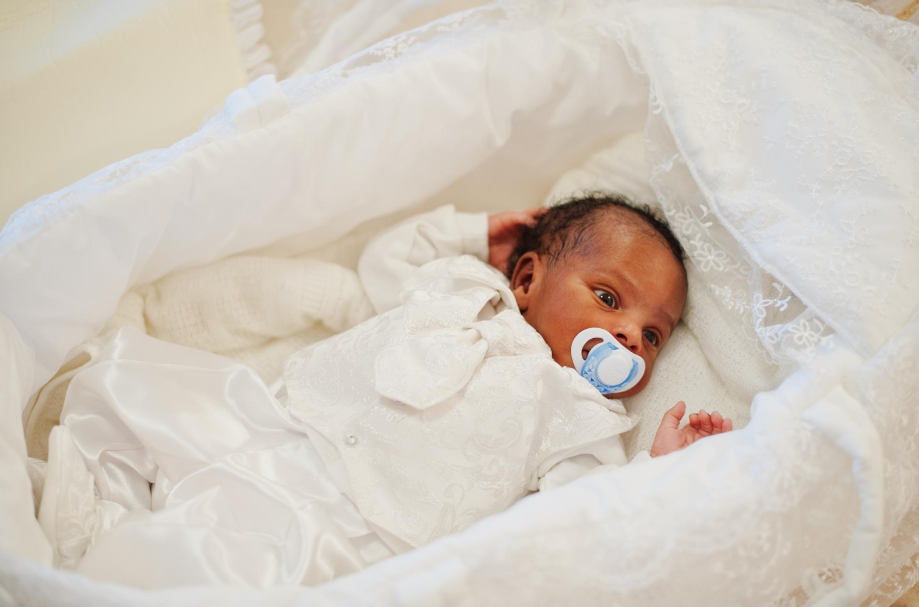
Giving birth to a baby means finding a safe, snug place for them to sleep that is easily accessible at night and simple to use during the day. A bassinet is perfect for the first few months. It is smaller and portable than a crib.
That said, safety comes first. Ensure a flat and firm sleep surface, maintain a clear space around the baby, and avoid keeping soft, loose items inside the sleep area. Choosing the right bassinet style, size, and features helps keep life calmer for both the baby and the family, without adding extra fuss.
Features to Consider
Size and Weight Limits
- Most bassinets have weight limits for their usage; therefore, it is always wise to read the label and stop using the bassinet once the limit is reached or skills like rolling are developed.
- Many models list ranges near 15-20 pounds, but the rule is to follow the exact product limit and the child’s development to decide when to switch to a crib.
- Room-sharing is recommended for the first 6 months, but bed-sharing is not safe; a separate bassinet beside the bed provides a safer sleeping environment for the child.
Safety
- Any incline exceeding 10 degrees is unsafe for sleep surfaces; therefore, choose a flat bed space and avoid inclined products, as recommended by medical and product standards.
- Mesh or breathable sides help facilitate airflow and allow caregivers to peek in, which many safety experts prefer for bassinet walls.
Portability
- Many bassinets are lighter than cribs, and some include wheels, so moving room-to-room can be simple when calm naps are needed.
- Wheels with reliable locks help keep the bassinet steady after it is rolled into place, which supports safe setup in busy homes.
- Folding or quick assembly helps with storage and travel; a carry bag can make visits and trips easier, eliminating the need for tools or extra parts.
Comfy Sleep Surface
- Breathable, smooth walls and a snug mattress fit (no gaps at the edges) help keep the space clear and stable during quiet sleep.
- Keep the sleep space plain and flat, with no wedges, extra padding, or thick toppers, to minimize the risk of the child’s nose and mouth getting covered.
See also: The Impact of Artificial Intelligence on Everyday Life
Helpful Extras
- Some baby beds feature soft motion or gentle sounds. If used, keep the volume low and use it for short periods. Always keep the sleep surface flat and firm.
- Storage pockets or baskets hold diapers and wipes within easy reach, saving time during quick changes and late-night needs.
- A simple canopy can provide shade from bright light when the bassinet is placed near a window, but avoid draping any loose cloth over the sleep area.
Care and Cleaning
- Removable, washable fabrics and easy-to-clean frames help keep the sleep area fresh after spit-ups and leaks, which often occur in the early months.
- Quick-to-wash sheets and a wipe-clean shell make daily upkeep faster, so the bassinet is ready again for naps and nights.
- Buying new or checking that older gear meets current standards helps avoid hidden wear and missing parts that can make sleep unsafe.
Types to Consider
- Traditional bassinet: A small, bedside sleep space with breathable sides for easy reach during the night.
- Bedside bassinet: Sits right next to the adult bed and can be attached for easy access while staying on a separate, safe surface.
- Portable or travel bassinet: Folds or packs quickly and remains lightweight for easy movement between rooms or homes, requiring no tools for setup.
- Smart bassinet: Features motion or sound control via buttons or apps, while maintaining a flat and firm sleep surface.