How Does Cerebral Palsy Impact Movement, Communication, and Independence?
Cerebral palsy (CP) is a neurological condition that affects the brain’s ability to control movement, posture, and muscle coordination. The condition is caused by damage to the developing brain, typically before, during, or shortly after birth. While CP varies widely in severity and type, it consistently influences three major areas of daily life: movement, communication, and independence. Understanding these impacts is essential for providing effective care, therapy, and support.
Movement Challenges Associated with Cerebral Palsy
One of the most noticeable effects of cerebral palsy is impaired movement. The condition can cause muscle stiffness (spasticity), low muscle tone (hypotonia), involuntary movements (dyskinesia), or poor coordination (ataxia). These physical challenges can make everyday tasks—such as walking, sitting, standing, or grasping objects—difficult.
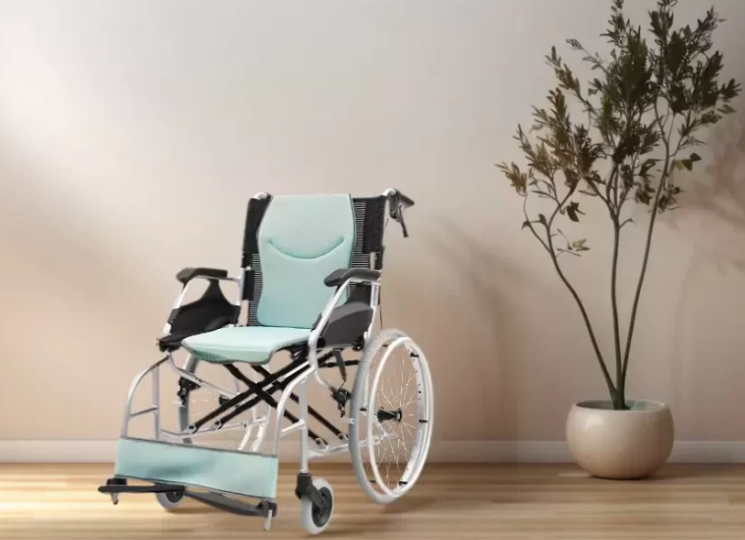
Some individuals with cerebral palsy may require mobility aids, such as walkers, canes, or wheelchairs, while others may achieve walking independence but experience limited endurance or balance issues. Early physical therapy is often essential in promoting muscle strength, improving flexibility, and minimizing the risk of secondary complications, such as joint contractures or scoliosis.
Physical therapy and adaptive equipment not only enhance movement but also contribute to a sense of autonomy, allowing individuals with cerebral palsy to participate more fully in home, school, and community activities.
Communication Difficulties
Communication is another area frequently affected by cerebral palsy. Some individuals experience difficulty controlling facial muscles, lips, tongue, or vocal cords, which can make speech unclear or challenging. Others may have cognitive or language delays that further impact their ability to express needs, ideas, or emotions effectively.
Speech therapy is often a vital intervention for children and adults with cerebral palsy. Speech-language pathologists can provide strategies to improve articulation, enhance language skills, and support social communication. In cases where verbal communication is limited, augmentative and alternative communication (AAC) devices—such as speech-generating devices or communication boards—enable individuals to participate in conversations and express themselves fully.
Improving communication skills helps individuals with cerebral palsy build relationships, participate in education or employment, and maintain social inclusion, which is crucial for overall wellbeing.
Impact on Independence
Independence is closely linked to both movement and communication. Because cerebral palsy can limit mobility and the ability to perform everyday tasks, individuals may require varying levels of support with dressing, bathing, eating, or managing finances. The degree of independence depends on the severity of the condition, the presence of comorbidities, and access to therapy and assistive technology.
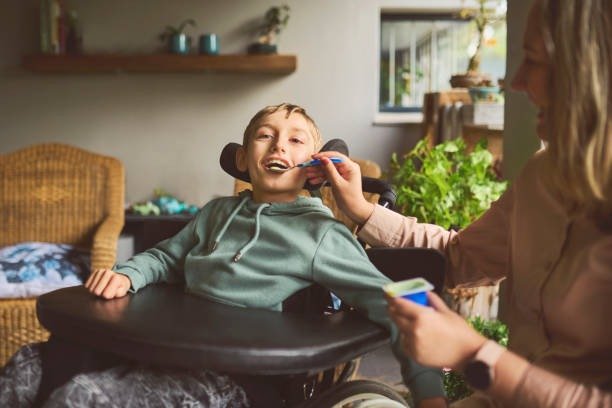
Occupational therapy plays a central role in enhancing independence for people with cerebral palsy. Therapists work on skills such as self-care, adaptive strategies, and the use of specialized equipment. For instance, adaptive utensils or computer interfaces can help someone with fine motor difficulties feed themselves or use technology independently. Gradually building these skills allows individuals to participate in daily activities with confidence and autonomy.
Role of Therapy and Support Services
Movement, communication, and independence are interrelated areas, and therapy is often multi-faceted to address all three. Physical therapy strengthens muscles and improves mobility, while occupational therapy focuses on functional tasks and independence. Speech therapy addresses communication challenges, and social skills training can support emotional wellbeing and self-expression.
Families and caregivers also play a key role in reinforcing therapy goals at home. Consistent practice, encouragement, and access to adaptive tools can help individuals with cerebral palsy apply skills learned in therapy to daily life. Support services, such as inclusive education programs, recreational therapy, and supported independent living, further promote participation and independence.
See also: What is an Accounts Payable Statement for Landlords
Variability in Impact
It is important to note that the effects of cerebral palsy are highly individualized. Some people may have mild movement limitations but experience significant communication difficulties. Others may be highly verbal but require substantial support with mobility. The variability underscores the importance of personalized care plans that address each person’s unique combination of needs.
Early intervention and a comprehensive understanding of an individual’s abilities can make a significant difference in outcomes. With tailored support, many people with cerebral palsy achieve high levels of independence and participate actively in education, work, and community life.
Enhancing Quality of Life
Addressing movement, communication, and independence in a coordinated manner enhances overall quality of life for individuals with cerebral palsy. Access to therapy, assistive devices, educational support, and community programs enables them to overcome barriers, pursue personal goals, and engage in meaningful social interactions.
By recognizing the interconnected nature of physical, communication, and functional challenges, families, caregivers, and professionals can develop strategies that support growth, autonomy, and self-confidence. The result is a more empowered and engaged individual capable of achieving their full potential despite the challenges of cerebral palsy.
Conclusion
Cerebral palsy affects movement, communication, and independence, creating unique challenges for each individual. Physical impairments can limit mobility, speech difficulties may hinder communication, and these factors collectively influence daily independence. Early therapy, assistive technology, and ongoing support are essential to promote skill development, autonomy, and social participation.
With comprehensive care, tailored interventions, and access to supportive services, individuals with cerebral palsy can maximize their abilities, achieve personal goals, and lead fulfilling lives. Understanding how CP impacts these critical areas allows families, caregivers, and professionals to provide effective support that enhances both independence and quality of life.