How do HVAC Contractor Solutions work for Homes With Solar Panels?
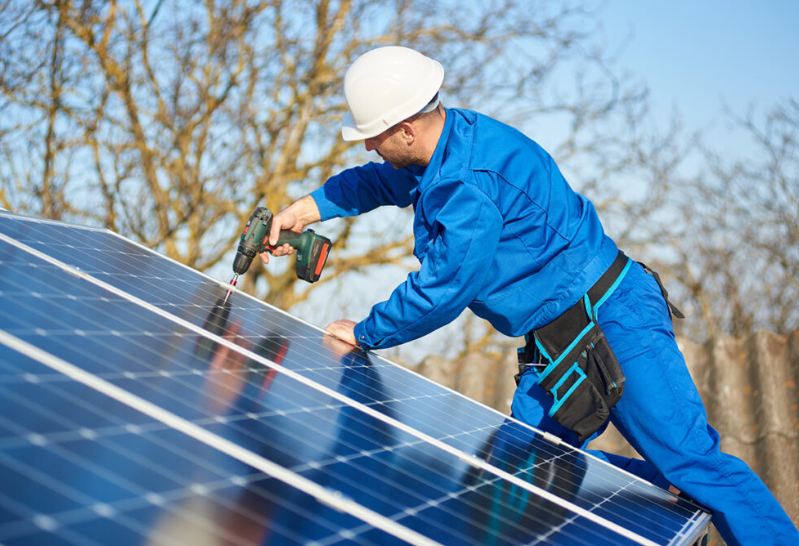
Solar panels change how a home uses electricity, but they also change what homeowners want from heating and cooling. Once a household sees energy production in an app, comfort decisions become more data-driven, and the HVAC system becomes the primary lever for shifting usage to lower-cost hours. Many solar owners notice that older HVAC equipment runs in sharp bursts, drawing high power at times when it does not match their solar output. Others add batteries and want heating and cooling that stays stable during outages without draining storage too quickly. The right contractor helps connect these goals by sizing equipment correctly, improving airflow, and setting up controls that align comfort with production. The result is not only lower bills, but also steadier indoor conditions and fewer surprise demand spikes.
Solar changes how comfort is managed
Load shifting strategies and smart controls
A key HVAC contractor solution for solar homes is designing a comfort plan that uses daytime production efficiently without making the home feel like a science experiment. Smart thermostats can precool or preheat during high-solar-output hours, then coast through the late afternoon and evening when production drops. This is most effective when the contractor confirms that the ducts are sealed, airflow is balanced, and the system can run at lower capacity for longer without short-cycling. Variable-speed heat pumps and inverter-driven air conditioners are often chosen in solar homes because they ramp smoothly and avoid sharp power spikes. Contractors also improve results by adjusting fan settings, checking static pressure, and confirming that filter choices do not restrict airflow, since restricted airflow can increase power draw and reduce comfort. Another solution is zoning, but it should be applied carefully. Poorly designed zoning can increase pressure and noise, so contractors often pair zoning with bypass-avoidance strategies, added returns, or variable-speed equipment that can handle smaller loads. For households on time-of-use rates, contractors can program schedules that prioritize comfort during low-cost periods while still maintaining humidity control and ventilation. The goal is a practical daily routine in which the system runs when solar is abundant, avoids wasteful peaks, and maintains comfort stability without constant manual tweaks.
Electrification options that pair with solar output
Many solar homeowners consider moving away from gas appliances, and HVAC is often the largest electrification step. Contractors commonly recommend heat pumps for heating and cooling because they can harness solar energy and reduce reliance on fuel deliveries or price swings. The solution is not just swapping equipment; it includes verifying electrical capacity, selecting breaker sizes, and ensuring the air handler and outdoor unit are compatible with the home’s wiring and panel layout. Some homes may need panel upgrades or load management devices, especially if an EV charger, electric water heater, or induction range is planned. Contractors also consider the home envelope because insulation and air sealing reduce the required heating and cooling load, allowing smaller equipment to run more efficiently on solar power. Ductwork evaluation matters too, since leaky ducts waste energy that solar owners can see in their monitoring data. Homeowners seeking more information about Semper Fi Heating and Cooling often want guidance on how to coordinate heat pump selection and duct improvements with existing solar capacity so that comfort gains do not create new electrical constraints. Another electrification solution is to integrate heat pump water heaters or ductless mini-splits in targeted areas, such as a bonus room or home office, to reduce the need to run a central system for the entire house. This approach is especially helpful for households with variable occupancy patterns.
Battery readiness, backup comfort, and resilience planning
Solar plus battery setups add a new question for HVAC contractors: what level of comfort should the home maintain during an outage, and for how long? Central HVAC can drain batteries quickly if the equipment has a high startup draw or if the home has significant heat gain or loss. Contractors help by selecting equipment with smoother ramping and by adding soft-start components where appropriate, reducing surges that stress inverters. They can also recommend strategies that prioritize essential zones, such as conditioning bedrooms at night or keeping the main living area comfortable during the day, rather than trying to cool the entire home to a strict setpoint. For heating, some households choose a dual-fuel system so a gas furnace can provide warmth during long outages, while the battery supports the controls and fans. Others choose a heat pump paired with an emergency heating plan that includes targeted space conditioning. Contractors can also reduce the load by improving attic insulation, sealing air leaks, and shading windows, which extends battery runtime without sacrificing comfort. Communication between the HVAC contractor and the solar installer is important so that inverter sizing, battery capacity, and HVAC electrical needs align. Even without a battery, resilience planning matters, since extreme heat events and grid strain can cause brief outages. A good contractor solution includes equipment protection, surge suppression, and settings that allow the system to restart smoothly after power returns.
See also: Top Architectural Trends Shaping the Future of Home Design
Smarter HVAC planning for solar homes
Homes with solar panels benefit most when HVAC decisions are made with production patterns, electrical capacity, and comfort stability in mind. Contractors can help by setting up load shifting through smart controls, choosing variable-speed equipment that avoids power spikes, and improving airflow so systems run efficiently during solar-rich hours. Electrification solutions like heat pumps can pair well with solar, but only when panel limits, wiring, and duct performance are addressed together. For households with batteries, resilience planning becomes part of comfort design, with surge reduction and targeted conditioning strategies that protect runtime. Finally, as solar homes become tighter, ventilation, filtration, and humidity control become increasingly important for indoor air quality and daily comfort. With the right contractor approach, solar owners get a system that matches how their home produces energy and how their family actually lives.