How Cat Clinics Provide Emergency Dental And Surgical Care
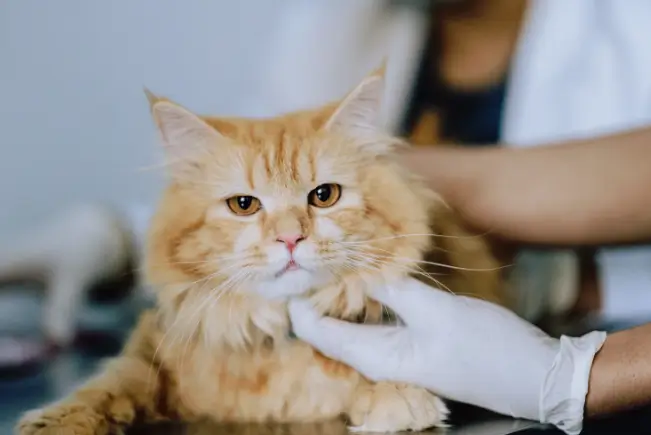
You notice your cat pawing at the mouth, refusing food, hiding under the bed, or crying when touched, and the worry hits fast. Dental pain and sudden oral injuries in cats can go from subtle to severe in hours. A broken tooth, a swollen jaw, bleeding gums, or trouble breathing after facial trauma is not something you can watch and wait on. In those moments, a Calgary cat veterinarian at a cat clinic is not just a place for routine care. It becomes the setting where pain is controlled, the cause is found, and urgent treatment starts before the problem spreads.
How Cat Clinics Provide Emergency Dental And Surgical Care comes down to speed, training, and the right tools. Cats often hide pain until they cannot anymore, which means oral infections, abscesses, fractured teeth, and jaw injuries may be advanced by the time you see clear signs. A clinic that handles feline emergencies can assess the airway, control pain, run imaging, and move quickly toward dental treatment or surgery when needed. That is the difference between a rough night and a crisis that gets worse by morning.
Cat clinics respond quickly when dental emergencies turn serious
A dental emergency in a cat is rarely just about the teeth. Infection in the mouth can affect eating, hydration, and behavior. Trauma can involve the jaw, tongue, palate, or airway. You might think your cat is “just not eating,” but the real problem may be a root abscess, a fractured canine tooth, or severe stomatitis. Cats also develop oral masses, foreign body injuries, and wounds from falls or fights, all of which can need urgent care.
This is where emergency feline dental care matters. The first step is stabilization. If your cat has facial swelling, active bleeding, open mouth breathing, or signs of shock, the clinic focuses on breathing, circulation, pain relief, and safe handling. Once your cat is stable, the team can examine the mouth more closely, often with sedation because a painful cat cannot be thoroughly assessed while awake. Sedation is not a shortcut. It protects your cat from more pain and helps the veterinarian see the full extent of the damage.
Diagnostic work usually follows fast. Dental X rays often reveal what the eye cannot, especially root disease, tooth resorption, and fractures below the gumline. Bloodwork may be needed before anesthesia, especially in older cats or cats that have not been eating. If the injury is more complex, advanced imaging and referral support may be part of the plan. Cornell’s dentistry and oral surgery service shows how specialized dental and surgical teams evaluate oral disease, trauma, and conditions that need more than basic treatment.
Emergency dental and surgical care often involves more than a simple extraction
Many people hear “dental procedure” and picture a cleaning or one loose tooth being removed. Emergency care is often heavier than that. A cat with a fractured jaw may need surgical repair. A deep oral infection may require tooth extraction, drainage, antibiotics, pain medication, and follow up feeding support. A wound in the mouth may need sutures. A mass may need biopsy. In severe periodontal disease or tooth resorption, removing the painful teeth is often the fastest route to relief.
The financial stress is real, and so is the emotional weight of making decisions fast. If your cat needs anesthesia, imaging, surgery, and medication in one visit, the estimate may feel like a lot all at once. That does not mean the care is excessive. Emergency treatment costs more because it compresses diagnostics, monitoring, staff time, and surgical planning into an urgent timeline. The clinic should explain what is immediately necessary, what can wait, and what risks come with delay.
urgent cat oral surgery may sound extreme, but in practice it often means treating pain before it triggers bigger problems. Cats that stop eating because their mouth hurts can develop dehydration and liver complications. Cats with swelling near the face or neck can worsen quickly if infection spreads. This is why a cat clinic that offers emergency support, or can refer directly to a hospital that does, matters so much.
Professional emergency treatment reduces risks that home care cannot manage
| Situation | Home Response | Cat Clinic Response | Main Risk of Delay |
| Broken tooth with visible pain | Soft food, watchful waiting | Exam, pain control, dental X rays, extraction or repair planning | Root infection, ongoing pain, refusal to eat |
| Facial swelling or draining abscess | Cold compress, monitor | Assessment, sedation if needed, drainage, imaging, antibiotics, tooth treatment | Spread of infection, worsening swelling, dehydration |
| Bleeding after trauma | Try to inspect the mouth | Stabilization, airway check, sedation, wound repair, imaging | Hidden jaw injury, blood loss, aspiration |
| Sudden refusal to eat with bad breath and drooling | Offer treats or change food | Oral exam, bloodwork, dental evaluation, treatment for infection or resorptive disease | Rapid decline in intake, pain escalation, secondary illness |
Professional cat dental surgery also brings monitoring that home care cannot. Anesthesia in cats needs planning, skilled dosing, and close observation. Recovery needs warmth, pain control, and clear feeding instructions. If your cat has heart disease, kidney disease, or is very young or very old, that planning matters even more. A full service animal hospital such as Cornell’s Companion Animal Hospital reflects how emergency, surgical, and specialty teams work together when a cat’s condition is not straightforward.
Three steps help you act fast when your cat shows signs of oral pain
1. Watch for the signs cats hide. Drooling, bad breath, pawing at the mouth, bloody saliva, facial swelling, food dropping, hiding, and sudden aggression during petting can all point to oral pain. Open mouth breathing, collapse, or major facial trauma needs immediate emergency care.
2. Do not try to examine the mouth deeply at home. A painful cat may bite, and you can miss injuries near the back of the mouth. Skip human pain medicine, which can be dangerous for cats. Offer water if your cat can drink safely, remove hard food or chew items, and call a clinic right away.
3. Ask direct questions when you call. Tell the clinic what changed, when it started, whether your cat is eating, and whether there is swelling, bleeding, or breathing trouble. Ask if your cat should come in now, whether food should be withheld in case sedation is needed, and what records or medications to bring.
Fast care gives your cat the best chance at relief
When your cat has mouth pain or facial trauma, the hardest part is often the waiting and guessing. You know something is wrong, but cats are quiet about suffering until they cannot manage it anymore. Emergency dental and surgical care exists for that exact moment. It is built to find the source of pain quickly, treat what cannot wait, and give you a clear path forward.
If your cat is showing signs of an oral emergency, contact a cat clinic or emergency veterinary hospital as soon as you can. Quick action can ease pain, limit complications, and help your cat get back to eating, resting, and acting like themself again.