Fire Risk Assessment for Warehouses and Storage Areas
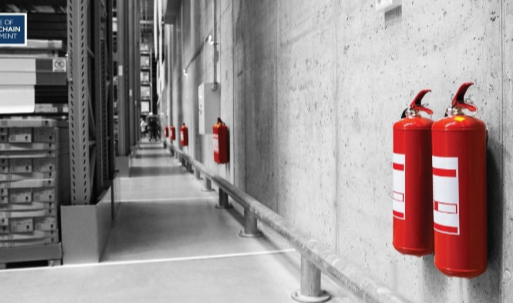
Fire safety is a critical concern in warehouses and storage areas due to the presence of flammable materials, complex layouts, and high inventory density. Conducting a comprehensive fire risk assessment is essential to protect lives, safeguard property, and ensure business continuity. This article provides a detailed guide to understanding, evaluating, and managing fire risks in warehouse environments.
Understanding Fire Risk in Warehouses
Warehouses and storage facilities face unique fire hazards due to their function. Large quantities of materials, especially flammable liquids, paper products, plastics, or chemicals, increase the risk of fire ignition and rapid spread. Factors that contribute to fire hazards in warehouses include:
- High storage density: Closely stacked goods can act as fuel and allow fire to spread quickly.
- Inadequate ventilation: Poor airflow can lead to heat accumulation and accelerate combustion.
- Electrical systems: Faulty wiring, overloaded circuits, and equipment malfunctions are common sources of ignition.
- Human activity: Smoking, welding, and use of machinery can inadvertently start fires.
- Building structure: Certain construction materials, insulation, and interior designs can influence fire behavior.
A fire risk assessment identifies these hazards, evaluates the likelihood and potential consequences of fire incidents, and implements measures to reduce risks.
Steps in Fire Risk Assessment for Warehouses
A structured approach is essential to perform an effective fire risk assessment. The key steps include:
1. Identifying Fire Hazards
The first step involves detecting potential sources of ignition, fuel, and oxygen. Common hazards in warehouses include:
- Flammable liquids, gases, or powders stored improperly.
- Faulty electrical installations or exposed wiring.
- Machinery generating sparks or heat.
- Packaging materials such as cardboard, pallets, and plastics.
2. Evaluating Risks
Once hazards are identified, assess the risk they pose by considering:
- Likelihood of ignition: How likely is a fire to start from identified hazards?
- Potential impact: What would be the consequences for staff, inventory, and infrastructure?
- Exposure: Are there nearby materials, employees, or buildings that could be affected?
3. Implementing Control Measures
Risk evaluation leads to action. Measures to control fire risk in warehouses include:
- Fire detection systems: Installing smoke and heat detectors linked to alarms.
- Fire suppression systems: Sprinklers, fire extinguishers, and automated suppression equipment.
- Safe storage practices: Keeping flammable materials in proper containers and designated areas.
- Electrical safety: Regular inspections and maintenance of electrical systems.
- Housekeeping: Regular removal of waste, combustible materials, and debris.
- Employee training: Conducting fire drills and educating staff on fire prevention and emergency response.
Read Also: Top Architectural Trends Shaping the Future of Home Design
4. Documenting and Reviewing
A fire risk assessment must be formally documented, including identified hazards, assessed risks, and control measures implemented. Regular reviews are crucial because warehouse layouts, inventory, and operational procedures change over time.
Key Considerations for Warehouse Fire Safety
- Accessibility: Ensure clear access to exits and firefighting equipment.
- Signage and lighting: Proper emergency exit signs and lighting are critical during evacuations.
- Zoning: Separate high-risk areas, such as chemical storage, from general inventory.
- Fire-resistant materials: Use non-combustible construction materials for walls, ceilings, and storage racks.
- Maintenance: Conduct regular inspections of fire safety systems, storage conditions, and electrical installations.
Benefits of Fire Risk Assessment
- Protection of lives: Reduces the risk of injuries or fatalities in the event of a fire.
- Asset protection: Minimizes damage to inventory, equipment, and infrastructure.
- Regulatory compliance: Helps meet local fire safety laws and insurance requirements.
- Business continuity: Reduces downtime and financial loss caused by fire incidents.
- Improved awareness: Educates employees on fire hazards and emergency response protocols.
Conclusion
A fire risk assessment for warehouses and storage areas is not just a regulatory requirement but a vital component of operational safety. Identifying potential fire hazards, evaluating risks, and implementing control measures can prevent devastating losses and ensure the safety of employees and property. Regular assessments, employee training, and adherence to safety protocols are essential for maintaining a fire-safe warehouse environment. By prioritizing fire safety, businesses can protect their assets, reputation, and most importantly, human lives.
Frequently Asked Questions (FAQs)
Q1: How often should fire risk assessments be conducted in warehouses?
A: Fire risk assessments should be carried out at least annually, or whenever there are significant changes in layout, inventory, or operations.
Q2: Who is responsible for conducting fire risk assessments in a warehouse?
A: Typically, the warehouse manager or a designated fire safety officer conducts the assessment, often with support from certified fire safety professionals.
Q3: What are the most common fire hazards in storage areas?
A: Common hazards include flammable liquids, combustible packaging materials, faulty electrical systems, hot machinery, and improper storage practices.
Q4: Can fire risk assessments reduce insurance premiums?
A: Yes, insurance providers may offer lower premiums to warehouses that demonstrate proactive fire risk management and compliance with safety standards.
Q5: What types of fire suppression systems are recommended for warehouses?
A: Sprinkler systems, portable fire extinguishers, fire alarms, and automated suppression systems designed for the specific type of materials stored are commonly recommended.