Are your windows ready for spring maintenance or replacement?
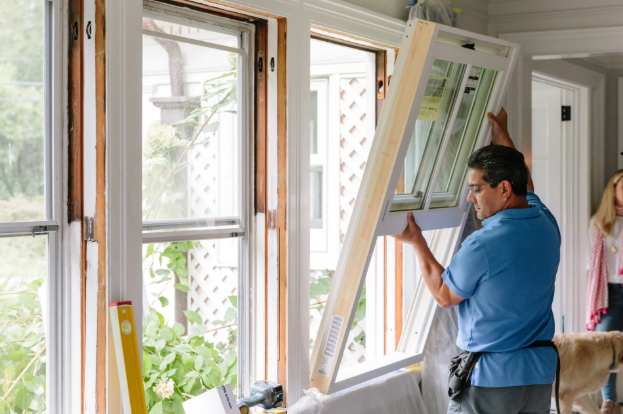
As winter fades and temperatures begin to rise, spring becomes the perfect season to assess your home’s condition – especially your windows. Months of cold weather, temperature fluctuations, and moisture can leave windows less efficient or harder to operate. Proper inspection, maintenance, or replacement during spring helps restore comfort, improve energy efficiency, and prepare your home for warmer days ahead.
This article explains why spring is the ideal time to focus on windows, what to check, and how modern window systems contribute to long-term performance and comfort.
Why Spring Is the Best Time to Evaluate Your Windows
Spring provides favorable conditions for both inspection and installation. The moderate temperatures make it easier to detect air leaks, condensation issues, or structural wear that may have developed during winter. This is also why many homeowners schedule windows and doors installation Calgary projects in spring, when weather conditions allow for efficient work and proper sealing. Additionally, replacing or servicing windows during this period ensures your home is ready before summer heat increases cooling demands. Modern windows are designed to handle seasonal extremes, but even durable systems require periodic evaluation. Advanced window units often include insulated glass and energy-efficient coatings that reduce heat transfer and stabilize indoor temperatures.
Signs Your Windows May Need Attention
Not all window issues are obvious. Some problems develop gradually, affecting energy efficiency and indoor comfort over time.
1. Drafts and Air Leaks
If you notice cold or warm air entering around window frames, it may indicate worn seals or insulation gaps. Even small leaks can significantly impact heating and cooling efficiency.
2. Condensation Between Glass Panes
Moisture trapped between panes often signals seal failure. Insulated glass units rely on airtight construction to maintain thermal performance. Once compromised, their effectiveness declines.
3. Difficulty Opening or Closing
Windows should operate smoothly. Resistance or sticking may result from frame warping, hardware wear, or debris accumulation.
4. Visible Damage or Frame Deterioration
Cracks, peeling, or deformation can weaken insulation and allow moisture infiltration.
How Modern Windows Improve Comfort and Efficiency
Window technology has advanced considerably, with features designed to enhance insulation and durability.
- Double- and Triple-Pane Window Glass. Insulated glass units contain multiple panes separated by sealed spaces filled with insulating gas. These designs reduce heat transfer and improve indoor temperature stability. Triple-pane windows offer even greater insulation and sound reduction.
- Low-Emissivity (Low-E) Coatings. Low-E coatings are thin, invisible layers that reflect heat while allowing natural light to pass through. They help retain warmth during colder months and reduce heat gain in summer. This contributes to consistent indoor comfort year-round.
- Energy Efficiency Benefits. Energy-efficient windows can reduce heating and cooling demands. Proper insulation minimizes heat loss in winter and limits heat entry in summer, which supports more efficient climate control.
See also: Top Architectural Trends Shaping the Future of Home Design
Essential Spring Window Maintenance Tips
Routine maintenance helps extend window lifespan and maintain performance.
Clean Frames and Glass
Use mild soap and water to remove dust, pollen, and debris that accumulate over winter. Clean windows allow more natural light and improve overall appearance.
Inspect and Lubricate Hardware
Check hinges, locks, and sliders. Applying lubricant helps ensure smooth operation and prevents mechanical wear.
Check Weatherstripping and Seals
Weatherstripping prevents air leaks. Replace worn or cracked seals to maintain insulation.
Examine Drainage Channels
Windows often include drainage paths to prevent moisture buildup. Ensure these channels are clear to avoid water damage. Regular maintenance is simple but effective. Even periodic cleaning and inspection help keep windows functioning properly for years.
Ventilation and Indoor Air Quality in Spring
Spring is an ideal time to improve ventilation after months of closed windows. Certain window styles – such as casement or awning designs – provide excellent airflow and help maintain fresh indoor air. These window types are specifically valued for ventilation efficiency and ease of use. Improved ventilation supports healthier indoor environments by reducing humidity, odors, and airborne contaminants.
Long-Term Advantages of Window Replacement
When windows reach the end of their lifespan, replacement offers several lasting benefits:
- Improved energy efficiency
- Reduced outside noise
- Better indoor comfort
- Increased natural light
- Enhanced overall home durability
Modern windows are engineered to withstand temperature fluctuations, UV exposure, and environmental stress, providing reliable performance across seasons.
Preparing Your Home for the Warmer Months Ahead
Spring preparation is about more than cleaning – it’s about ensuring your home remains efficient and comfortable throughout the year. Windows play a critical role in insulation, ventilation, and indoor comfort. Whether performing routine maintenance or considering replacement, addressing window performance in spring helps prevent future issues and improves overall home efficiency. By taking proactive steps now, homeowners can enjoy a brighter, more comfortable, and energy-efficient living environment throughout spring and beyond.