Why Property Grading Is Essential for Effective Drainage and Long-Term Land Stability
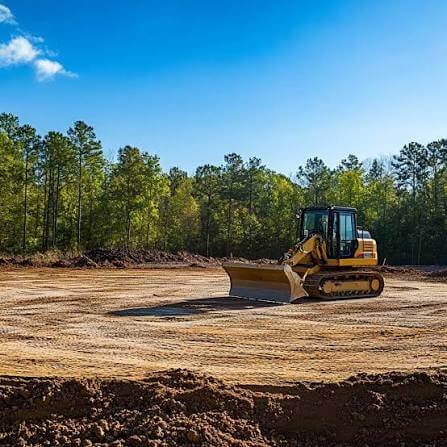
A property’s surface may appear level, yet subtle changes in elevation can significantly influence how rainwater moves across the land. When the ground directs water toward buildings instead of away from them, moisture problems can develop gradually.
Proper land preparation addresses these concerns by shaping the terrain to encourage controlled water movement. Understanding the importance of property grading helps homeowners and landowners protect their landscapes, improve drainage, and prepare outdoor spaces for future improvements.
How Ground Elevation Influences Water Movement
Rainwater naturally travels from higher elevations toward lower areas. When the land has an unsuitable slope, water may collect around foundations, walkways, driveways, and landscaped spaces.
Standing water can saturate soil, weaken surface materials, and contribute to erosion.
An effective grading approach considers the relationship between existing elevations, drainage outlets, and surrounding structures.
Recognizing Drainage Problems
Several warning signs may indicate that a property requires attention.
- Puddles remaining long after rainfall
- Soil erosion around landscaped areas
- Water collecting near foundation walls
- Uneven ground or noticeable depressions
- Excessively wet sections of lawn
- Surface runoff flowing toward neighbouring properties
Identifying these conditions early helps prevent more extensive damage.
Understanding the Property Grading Process
Grading involves adjusting existing ground elevations to create a suitable surface profile.
The process may require removing excess soil, redistributing material, filling low areas, and compacting the finished surface.
However, effective grading involves more than making land visually smooth.
Step 1: Evaluate Existing Site Conditions
A detailed assessment identifies high points, low areas, drainage pathways, soil characteristics, and nearby structures.
Survey information may be required to establish accurate elevations.
Step 2: Develop a Drainage Strategy
The next stage determines how water should move across the property.
The proposed slopes must account for existing infrastructure, municipal requirements, and neighbouring land.
Step 3: Reshape the Ground
Excavation and earthmoving techniques help establish the planned elevations.
During this stage, careful material placement prevents unnecessary disturbance to surrounding areas.
Step 4: Compact and Finish
Proper compaction helps limit settlement after grading is completed.
Final elevation checks confirm that the surface follows the approved drainage design.
Benefits of Professional Property Grading
A carefully designed surface provides advantages that extend beyond improved appearance.
Protecting Building Foundations
Water accumulating near foundation walls can increase moisture exposure and contribute to basement seepage.
Directing surface runoff away from structures helps reduce these risks.
Reducing Soil Erosion
Uncontrolled runoff can remove topsoil and create channels across exposed ground.
Suitable slopes, vegetation, and drainage controls help stabilize the surface.
Improving Outdoor Usability
Uneven land can make landscaping, lawn maintenance, and outdoor construction more challenging.
A properly prepared surface supports functional yards, walkways, and recreational areas.
Supporting Future Construction
Before installing driveways, patios, or other outdoor features, the ground must provide suitable elevations and stability.
Effective property grading creates a foundation for these improvements while supporting appropriate drainage.
Common Mistakes That Affect Grading Results
One frequent mistake involves concentrating entirely on the area immediately surrounding a building.
Although foundation drainage matters, changes to one section of land can redirect runoff toward another vulnerable location.
Another issue is using unsuitable fill material. Soil that contains excessive organic matter or debris may settle unevenly.
Insufficient compaction can also create depressions that collect water after rainfall.
Finally, changing drainage patterns without considering neighbouring properties may create disputes or violate local requirements.
When Should Grading Be Evaluated?
Grading should be reviewed when persistent water accumulation appears, outdoor construction is planned, or visible erosion develops.
New construction, foundation repairs, and major landscaping changes may also require an updated drainage assessment.
Consulting experienced local grading professionals can help property owners understand existing elevation problems and appropriate corrective measures.
Conclusion
Effective property grading plays a vital role in protecting structures, controlling surface runoff, and maintaining usable outdoor spaces. A successful approach combines accurate elevation measurements, suitable soil preparation, and thoughtful drainage planning. Addressing grading concerns early helps prevent recurring moisture problems and creates a more stable landscape for future property improvements.