How To Rebuild Credit After Bankruptcy: A Practical 24-Month Plan for Northern Virginia
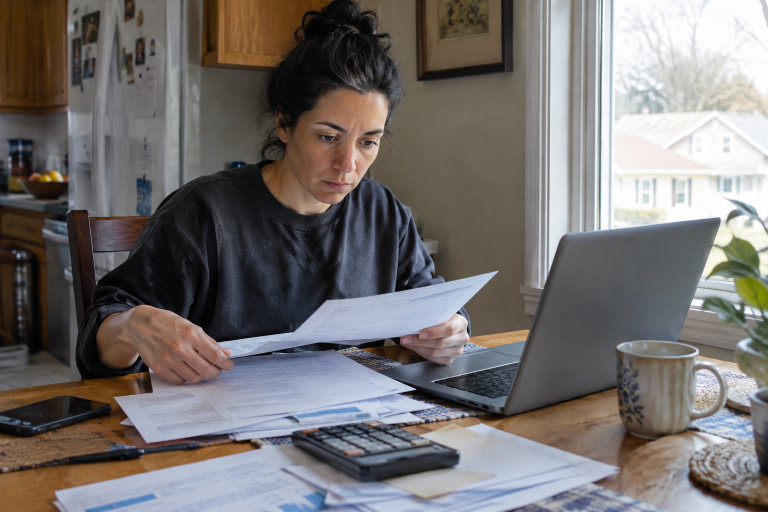
Rebuilding credit after bankruptcy can feel difficult, especially in Northern Virginia, where housing, transportation, and everyday household costs can place steady pressure on a budget. Still, recovery is possible when the focus stays on accurate credit reporting, reliable bill payments, and borrowing only when it fits the household’s actual cash flow.
For people dealing with creditor concerns or questions about their financial options, debt defense in Northern Virginia can be part of a broader effort to regain stability. The most sustainable credit recovery plan is not about chasing a rapid increase in score. It is about creating financial habits that remain manageable through a long commute, a vehicle repair, or an unexpected medical bill.
Start With a Clear Financial Starting Point
Use the bankruptcy discharge as a practical point to review your finances. List take-home income, rent or mortgage payments, utilities, insurance, food, transportation, and any obligations that were not discharged. In Northern Virginia, commuting expenses, tolls, parking, and childcare can affect the budget as much as a monthly debt payment.
Set one immediate goal, such as making every remaining payment on time or saving a small cash cushion. Better credit should never require taking on debt that the budget cannot support.
See also: Building a Mental Wellness Plan for Illinois Life
Check Every Credit Report for Errors
Review all three credit reports for discharged debts shown with an incorrect balance, closed accounts listed as open, duplicate accounts, wrong filing dates, or personal information that does not belong to you. Save discharge papers, account statements, and correspondence in one folder.
If you find a mistake, follow the credit report dispute process by identifying the specific error and supplying copies of documents that support your position. Dispute inaccurate information with both the credit reporting company and the business that provided the information.
Build a Plan for the First 90 Days
- Days 1 through 30: Gather court documents, review the budget, and pull all three reports.
- Days 31 through 60: Submit disputes for clear errors and set payment reminders or automatic payments.
- Days 61 through 90: Consider one credit-building tool only if the monthly cost fits comfortably.
The early goal is stability, not opening multiple accounts or reaching a particular score by a particular date.
Choose New Credit Carefully
A secured credit card, credit-builder loan, or authorized-user arrangement may help establish positive payment history, but compare fees, deposits, interest, and reporting practices first. Confirm that the account reports to the major credit bureaus, and apply for one account at a time.
For example, someone with a $300 secured card limit could place one small recurring bill on the card and pay the full statement balance before the due date. The account should be a tool for consistent payments, not a way to expand spending.
Make On-Time Payments the Main Goal
Payment consistency should come before rewards, credit mix, or requests for a higher limit. Schedule at least the minimum payment automatically, choose due dates that work with your pay schedule, and keep a checking-account buffer when possible. Review each statement for unfamiliar charges or unexpected fees, and contact the lender early if a payment problem appears likely.
Strengthen the Budget Before Borrowing Again
A budget protects credit progress when life becomes expensive. List essential bills before optional purchases, plan for irregular costs such as auto maintenance and annual insurance premiums, and review subscriptions every few months. Build a starter emergency fund gradually. Savings for an urgent repair should not be replaced by available credit.
Spot Credit Repair Scams and Costly Offers
Be wary of anyone who promises to erase valid bankruptcy information, demands payment before providing services, encourages false disputes, or claims to create a new credit identity. The FTC explains that accurate negative information cannot legally be removed simply because it harms a credit score. Legitimate progress takes time, documentation, and responsible payment behavior.
Follow a Realistic 24-Month Timeline
Months 1 Through 3: Clean Up and Stabilize
Check reports, dispute errors, automate bills, and create a spending plan.
Months 4 Through 6: Add Positive History
Use one manageable account, keep the balance low, and pay on time every month.
Months 7 Through 12: Protect Progress
Avoid unnecessary applications, review reports again, and increase emergency savings when income permits.
Months 13 Through 24: Review Larger Goals
Compare borrowing offers by total cost, not only by monthly payment. Continue monitoring reports and keep credit activity deliberate.
Prepare for Larger Financial Goals
Landlords and lenders may consider income stability, recent payment history, savings, current balances, and the time since bankruptcy in addition to a credit score. Before applying for a rental, car loan, or mortgage, compare several offers. A lower monthly payment can still cost more if it extends the repayment term or carries higher total interest.
Common Questions About Credit Recovery
How Soon Can Credit Recovery Begin?
It can begin immediately with report reviews, error disputes, on-time payments, and a workable budget. There is no need to wait for a bankruptcy notation to disappear before practicing stronger financial habits.
Should Someone Apply for a Credit Card Right Away?
It depends on income, monthly cash flow, fees, and the ability to pay the balance on time. A card is not helpful if it creates an unaffordable balance.
How Many Accounts Are Enough?
One or two affordable, well-managed accounts may be more useful than several new accounts opened quickly. The right approach depends on the household budget and future goals.
Conclusion
Rebuilding credit after bankruptcy in Northern Virginia is a steady process. Accurate reports, dependable payments, careful borrowing, and a budget built for real-life setbacks can gradually create a stronger financial foundation.