Solar Energy Storage Solutions: A Homeowner’s Guide to Battery Storage
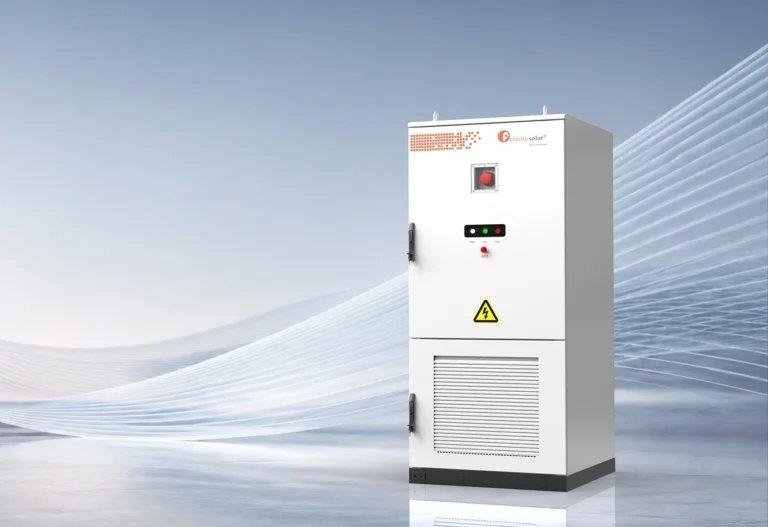
Solar panels only make electricity while the sun shines, but most homes use the most power in the evening, when the sun has gone. Solar energy storage solutions close that gap: a battery stores the spare electricity your panels make during the day and releases it after dark. The result is a home that uses more of its own solar power, buys less from the grid and keeps the lights on during a power cut. This guide explains how battery storage works, what to look for and whether it suits your home.
Why Store Solar Energy at All
Without storage, the electricity your panels make is either used straight away or sent to the grid. If you are out during the day, much of it goes to the grid, and in the evening you buy electricity back at a higher price. A battery changes that balance. It charges from the spare daytime power and discharges in the evening, so the energy you generated is the energy you use.
That self-consumption is the main benefit of solar energy storage solutions. Homes with a battery typically use far more of their own solar power than homes without one, which cuts the electricity bill and makes the solar panels work harder for the money already spent on them. The battery also provides backup power, keeping essentials running during an outage.
How a Home Battery System Works
A home storage system has three parts: the battery itself, an inverter and a control system. The battery stores energy as direct current. The inverter converts it to alternating current, which is what household appliances use. The control system decides when to charge and when to discharge, usually charging from spare solar power during the day and discharging in the evening when demand rises.
Most modern solar energy storage solutions use lithium batteries, which are compact, efficient and long-lasting. They are usually installed in a garage, utility room or outside wall, and they connect to the existing solar panels and the household consumer unit. Installation is normally completed in a day, with minimal disruption to the home.
Battery Size: How Much Storage Do You Need
Battery size is measured in kilowatt-hours, which is the amount of energy the battery can hold. A typical battery in solar energy storage solutions holds between 5 and 15 kilowatt-hours, and the right size depends on how much electricity the home uses in the evening and how much spare solar power the panels produce.
Oversizing wastes money, because a battery that never fills is paying for capacity it never uses. Undersizing wastes solar power, because the battery fills by midday and the rest still goes to the grid. A good installer of solar energy storage solutions will look at the household’s usage pattern, usually from smart meter data, and size the battery to the evening load. Many solar energy storage solutions are modular, so capacity can be added later if the household’s needs change.
What a Battery Can and Cannot Do
A battery in solar energy storage solutions can power most household loads in the evening: lights, televisions, washing machines, fridges and chargers. What it cannot do is run everything at once. Each battery has a power rating, measured in kilowatts, which limits how much it can deliver at any moment. A high-power appliance such as an electric shower or a fast kettle may exceed that rating on its own, so the system will draw the extra from the grid.
Backup power is similar. During an outage, the battery can keep essential circuits running, such as lights, the fridge and the internet router, but it will not run the whole house at full power. Some systems offer a dedicated backup circuit for essentials, which is worth discussing with the installer before the work starts.
Costs, Savings and Payback
A home battery in solar energy storage solutions is a significant purchase, and the payback depends on how much solar power it captures and how much grid electricity it replaces. Homes that use a lot of electricity in the evening, or that pay high rates for grid power, see the fastest return. Homes that are empty during the day and busy in the evening benefit the most, because the battery captures the daytime surplus that would otherwise be exported.
Savings also depend on tariffs. Some suppliers pay for exported solar power, which reduces the value of storing it, while time-of-use tariffs, which charge more in the evening, increase it. A reputable installer will model the savings for the household rather than quoting a generic figure, and will be honest about how long the payback is likely to take.
5 Questions to Ask Before You Buy
- How much electricity do we use in the evening, and how much spare solar do we make?
- What battery size matches that pattern, and can capacity be added later?
- What is the power rating, and which appliances can the battery run at once?
- What backup power is included, and which circuits will it cover in an outage?
- What warranty covers the battery, and how long is it expected to last?
Frequently Asked Questions
How long does a home battery last?
Most lithium home batteries are warranted for around a decade and are expected to last longer, with some loss of capacity over time. The warranty terms are worth reading carefully.
Can I add a battery to existing solar panels?
Yes, in most cases. A battery can be retrofitted to an existing solar system, either with a separate inverter or by replacing the existing one, depending on the setup.
Will a battery work without solar panels?
Yes, a battery can charge from the grid at cheap overnight rates and discharge during expensive evening hours. But it delivers the most value when paired with solar panels.
See also: RegTech AML: Modernising Financial Crime Compliance
Final Thoughts
Solar energy storage solutions turn a solar system from a daytime generator into a round-the-clock source of power. A well-sized battery stores the spare energy the panels make, cuts the evening grid bill and keeps essentials running in an outage. Get the size right, understand the power limits and choose a system that can grow, and the battery will repay the investment for years to come.