A Beginner’s Guide to Amplifiers: What They Do and Why They Matter
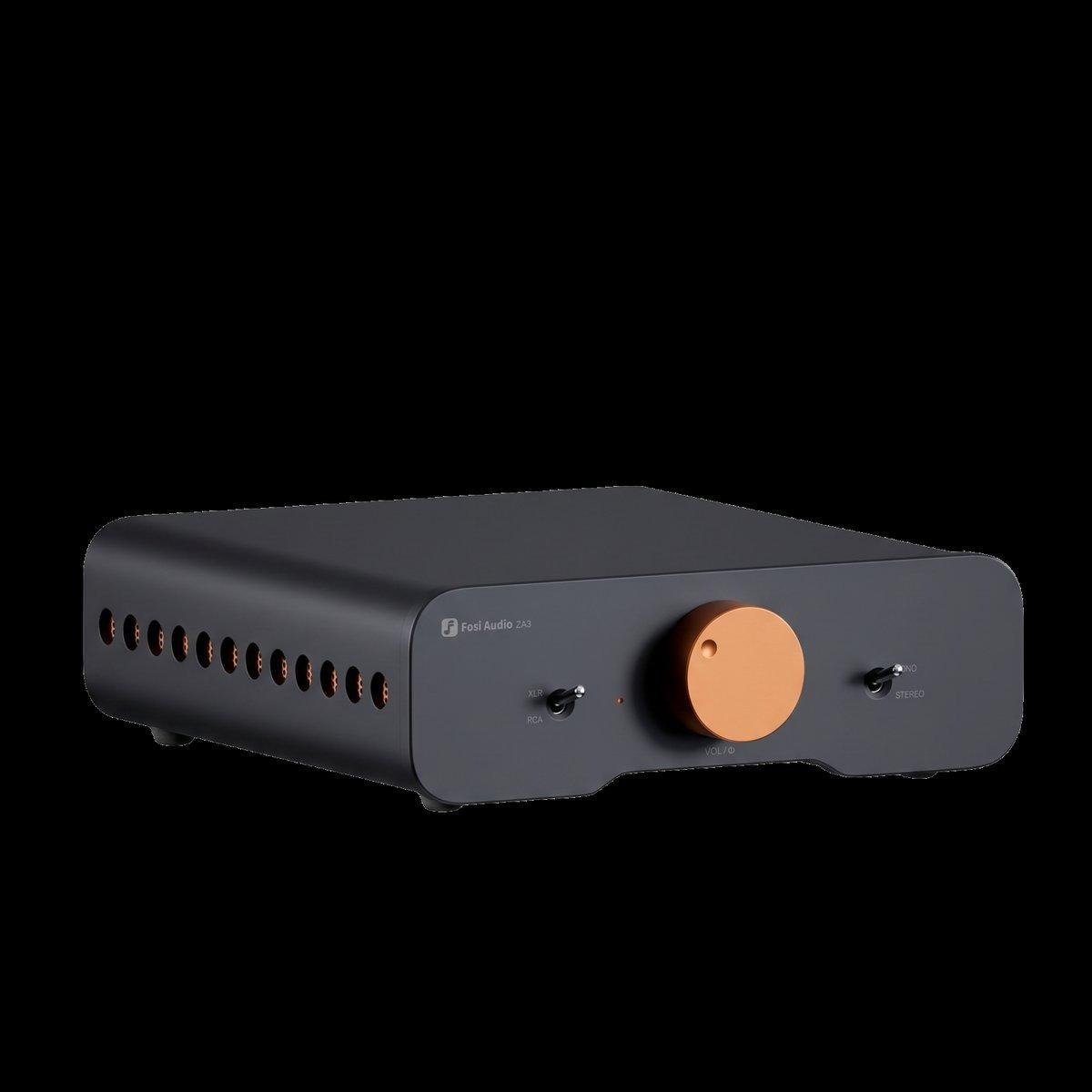
Every hi-fi system has an amplifier, even when you cannot see one. It sits between your music source and your speakers, taking a quiet electrical signal and giving it the strength to move speaker cones and fill a room. Understanding what an amplifier does, and what makes one better than another, is the first step towards choosing a system you will enjoy for years.
What an Amplifier Actually Does
An amplifier has one job: to make a small signal bigger without changing it. Your source, whether it is a phone, a streaming box, a turntable or a disc player, produces a signal far too weak to drive speakers. The amplifier increases that signal’s power while preserving its detail, timing and tone. A good amplifier adds nothing of its own; it simply lets you hear what the source and the speakers are capable of.
This is why the amplifier is often called the heart of a hi-fi system. Every sound you hear has passed through it, so its quality sets a ceiling on the whole system. A weak amplifier will hold back good speakers, while a capable one lets them perform properly.
The Parts of an Amplifier
Most amplifiers combine two functions. The preamplifier stage handles source selection and volume control, letting you switch between inputs and set the listening level. The power amplifier stage provides the muscle, delivering current to the speakers. An integrated amplifier combines both in one box, which is the most common arrangement for home listening.
Some systems separate the two stages into different boxes, which allows each to be optimised independently. That approach costs more and takes more space, but it is popular with listeners who want the best possible performance from each part of the chain.
Power, Volume and Headroom
Power is measured in watts, and it is the figure most buyers notice first. In practice, the number matters less than most people expect. Doubling the power only makes a system slightly louder, because loudness follows a logarithmic scale. What matters more is headroom: the reserve of power an amplifier holds above your normal listening level, so that sudden loud passages stay clean instead of distorting.
A modest amplifier with comfortable headroom will sound relaxed and detailed at normal levels. An amplifier with too little power, driven hard, will sound strained and harsh, and can even damage speakers. Matching power to your speakers and your room is more important than chasing the largest number.
Inputs and Connections
An amplifier needs inputs for your sources. Analogue RCA inputs suit most equipment, while optical and coaxial digital inputs connect televisions and digital sources directly. A phono input is needed for a turntable without its own preamplifier, and Bluetooth is handy for playing music from a phone.
Before buying, list every source you own and check that the amplifier has the right inputs for all of them. A missing input is an avoidable frustration, and planning ahead costs nothing.
5 Questions to Ask Before Buying an Amplifier
- What sources will I connect, and does the amplifier have the right inputs?
- What speakers will it drive, and is the power a sensible match?
- How large is my room, and how loud do I listen?
- Do I need extras like Bluetooth, a headphone output or a subwoofer output?
- Where will it sit, and does it have room for ventilation?
Listening Is the Final Test
Specifications can narrow the choice, but listening makes the decision. If you can, hear an amplifier with speakers similar to your own, playing music you know well. Listen for clarity in quiet passages, control in loud ones, and a natural tone that does not tire your ears. An amplifier that sounds good in a short demonstration usually sounds good at home too.
Where the Amplifier Sits in the Signal Chain
It helps to picture the signal chain as a journey. Music starts at the source, travels through the preamplifier stage where it is selected and its volume is set, then passes to the power amplifier stage where it gains the strength to drive the speakers. The amplifier sits in the middle of that journey, and its job is to pass the signal along without adding anything or taking anything away.
This is why the amplifier is sometimes called the heart of the system. The source decides what information exists, and the speakers decide how it reaches your ears, but the amplifier decides how much of that information survives the journey. A clean, capable amplifier preserves detail and timing; a weak one loses them along the way.
Frequently Asked Questions
Do I need a separate amplifier if my speakers are powered?
No. Powered speakers have an amplifier built in, so they connect directly to a source. A separate amplifier is needed for passive speakers, which have no amplification of their own.
What is the difference between an integrated amplifier and a power amplifier?
An integrated amplifier combines a preamplifier and a power amplifier in one box, with volume control and source selection. A power amplifier provides power only and needs a separate preamplifier.
How long does an amplifier last?
A well-made amplifier can last many years, often decades, with no maintenance beyond keeping it ventilated and dust-free. Solid-state amplifiers have no parts that wear out quickly in normal use.
See also: RegTech AML: Modernising Financial Crime Compliance
Final Thoughts
An amplifier is a simple device with a demanding job: to make music louder without changing it. Once you understand its role, its power rating and its connections, choosing one becomes straightforward. Match it to your speakers and your room, check that it has the inputs you need, and listen before you buy. Get those basics right, and your amplifier will quietly serve your music for years.