Why flight prices change when you search from abroad

Airlines and travel sites estimate your location using your IP address, device, and browser settings, then adjust what they show you. Some prices shift because of local currency conversion, not because the fare itself changed. Searching from a different country or clearing your location data can sometimes reveal a different price for the same seat.
How do airlines detect your location when you search?
Booking sites read your IP address, your browser language, and sometimes your device settings to guess where you are. That guess feeds into what fare tier, currency, and promotions get shown. Airlines also use this data to route you to the version of their site built for your region, which can carry different base prices or bundled fees. None of this requires you to log in, and a single search can trigger the location check before you type a destination.
Why do flight prices differ by country or currency?
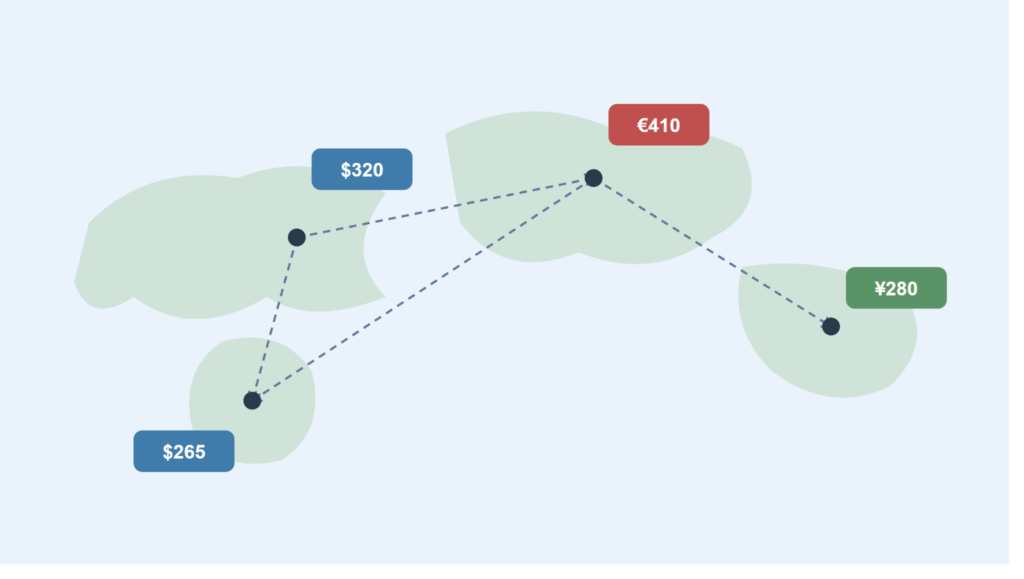
A ticket priced in US dollars and the same ticket priced in euros rarely convert to an identical number. Airlines set regional price floors based on local demand, competition from other carriers, and what travelers in that market are used to paying. A route that’s heavily discounted in one country might carry a premium in another simply because fewer airlines compete there. This is standard revenue management, not a glitch.
How to compare flight prices from different locations
Checking a fare from more than one vantage point is the most reliable way to catch a price gap. A few steps work well together:
- Clear your browser’s cookies and cache before you search again, since saved search history can push prices up over repeated visits.
- Open a private or incognito browsing window so the site starts with no stored data about you.
- Change your apparent location by connecting to a server in another country. A VPN such as VPNLY can route your connection through a different region, letting you see what that market’s site displays.
- Switch the site’s currency setting, if it offers one, and compare the converted total rather than the sticker price.
- Check the airline’s own site alongside two or three aggregators, since each pulls fares differently.
Run the same search a few times across these variations and note where the total price, including taxes, actually lands lowest.
What role does currency conversion play in flight price differences?
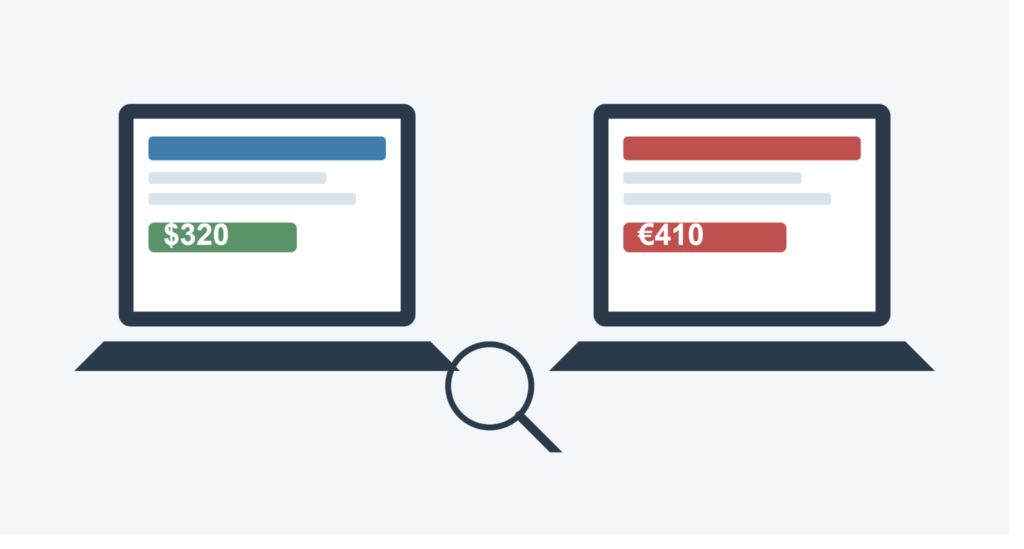
A fare that looks cheaper in a foreign currency can lose that advantage once your bank or card issuer applies its own exchange rate and conversion fee. Some airlines also round prices up when converting, which adds a small markup you won’t see until checkout. The only way to know the real cost is to compare the final charge in your home currency, not the number shown mid-search.
Common mistakes travelers make when price-chasing across regions
Some travelers stop comparing once they see a lower number, without checking whether local taxes or baggage fees get added later in the booking flow. Others book through a foreign version of a site without confirming the airline will even honor fare rules for passengers based elsewhere. A few forget that saved searches on one device can affect prices on another device logged into the same account. Always check the total at the final payment screen, in your own currency, before confirming.
Best practices for finding the lowest fare before you book
- Search in a private window and clear cookies between attempts.
- Compare at least two currencies and convert both to your home currency manually.
- Check fares from more than one country or region before deciding.
- Confirm the final price, taxes included, at checkout rather than trusting the search results page.
- Book directly with the airline once you’ve found the best price, to avoid third-party booking fees.
See also: Business Acquisition Financing Canada: Funding a Successful Business Purchase
FAQ
Does my location really affect flight prices? Yes. Airlines and booking sites use your IP address and browser data to estimate your location, which can change the currency, promotions, and fare tier you’re shown. The underlying seat inventory is the same, but the displayed price isn’t always.
Can I get a cheaper flight by searching from another country?
Sometimes. Regional pricing differences exist because of local competition and demand, so a fare search from a different country’s version of a site can show a lower number. The savings aren’t guaranteed on every route, so it’s worth comparing before assuming it works.
Does clearing cookies lower flight prices?
It can help on sites that raise prices after repeated searches for the same route. Clearing cookies or using a private browsing window resets what the site knows about your search history, which sometimes brings the price back down to its starting point.
Is it legal to search flights from a different country’s location?
Yes. Changing how a site perceives your location through browser settings or a VPN is legal in most countries. Airlines may still apply their own terms about where a ticket is purchased, so it’s worth reading the fare conditions before booking.
Why does the same flight show different prices in different currencies?
Currency conversion rates and rounding practices vary by airline, and some carriers set region-specific price floors rather than applying a single global rate. The number you see in one currency won’t always match a straight conversion from another.
Should I always book from the cheapest-looking regional price?
Only after confirming the final total, including taxes and conversion fees, in your own currency. A lower number mid-search can disappear once the actual charge posts to your card.