Legal Separation vs. Divorce: Which Path Fits Your Situation
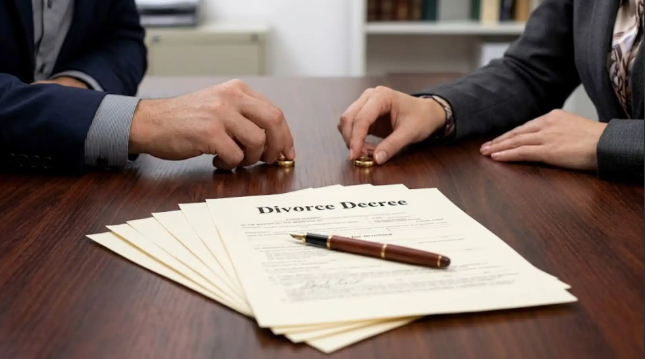
Choosing between legal separation and divorce affects marital status, housing, finances, health coverage, taxes, parenting arrangements, and future remarriage plans. Legal separation creates court-enforced terms while the marriage continues. Divorce ends the marriage and divides legal and financial ties. The right choice depends on each couple’s goals, safety concerns, finances, beliefs, and willingness to preserve legal options. Several differences deserve careful review before either spouse files a case.
What Legal Separation Changes
Legal separation allows spouses to live apart while remaining married. A court can address property division, debt responsibility, spousal maintenance, child support, and parenting schedules through a separation decree or written agreement. Washington law permits separation contracts covering maintenance, property, parenting plans, and child support. Court-approved terms can become binding, so each spouse should review the agreement carefully before signing.
A Washington resident who needs advice about filing, negotiation, or court orders can consult law firms with Seattle’s best family law attorney before choosing a path. Legal guidance helps clarify deadlines, forms, property treatment, and conversion procedures. State rules control these issues, so general internet information cannot replace a review of the person’s circumstances.
Why Some Couples Choose Separation
Religious or personal beliefs often influence the decision to remain married. Some couples also need time to assess reconciliation while resolving financial and parenting issues through formal terms.
- Health Insurance Coverage
Health insurance can affect the decision, particularly when one spouse receives coverage through the other spouse’s employer. Divorce can change eligibility, so both spouses should review plan rules before filing. Legal separation does not automatically guarantee continued coverage, and federal requirements or plan-specific rules still apply.
- Returning to the Marriage
Separation also preserves the option of returning to the marriage without remarrying. This option matters to couples who need formal boundaries but do not want to end the marriage permanently.
See also: Building a Mental Wellness Plan for Illinois Life
What Divorce Does Differently
Divorce, called dissolution of marriage in Washington, ends the marital relationship through a court order. The decree addresses property, debts, maintenance, parenting, and child support when applicable.
- Life After Divorce
After divorce, either former spouse can remarry. Each person also manages future income and property under the decree rather than through an ongoing marriage. Washington requires at least one spouse to state that the marriage is irretrievably broken, and the case can proceed without mutual agreement.
- Financial Complexities
Divorce provides finality, but finality does not make every issue simple. Retirement accounts, business interests, real estate, taxes, and debt allocation require accurate records and carefully written terms.
Financial and Parenting Factors
A couple should identify every shared asset and obligation before choosing either path. Relevant records include bank statements, mortgage documents, credit accounts, retirement statements, tax returns, insurance policies, and business records.
- Division of Property and Debt
The court or a negotiated agreement must address the division of property and debt. Washington law considers each party’s economic circumstances and other relevant factors when reviewing financial arrangements.
- Child Support
Children require additional planning. Parents need a detailed schedule covering residential time, transportation, holidays, school decisions, medical care, and communication. Child support calculations follow state guidelines, but unusual income or expense issues require further review.
Timing and Conversion
Legal separation does not always remain permanent. Washington law allows a legal separation decree to convert into a divorce after six months, although the conversion requires additional court action. Existing decisions about property, parenting, and related issues require review before conversion.
Divorce also has timing requirements. In Washington, at least 90 days must pass after filing and service before the court enters a dissolution decree, provided the legal requirements are satisfied. County procedures, service problems, disputes, and unresolved financial issues can extend the process.
Choosing the Better Path
Legal separation fits couples who need enforceable financial or parenting arrangements while preserving the marriage. Divorce fits couples who want to end the legal relationship, remarry, separate future finances, or establish permanent independence.
Safety concerns require immediate attention. A person facing threats, coercive control, stalking, or financial abuse should discuss protection orders, temporary orders, secure communication, and confidential planning with a qualified attorney. Informal agreements can leave one spouse exposed when circumstances change.
Before filing, each spouse should list the desired outcome, urgent protections, financial records, insurance concerns, and parenting priorities. This gives legal counsel the information needed to recommend a practical procedure.
Conclusion
The choice between legal separation and divorce depends on the legal result a person needs now and the options worth preserving later. Separation keeps the marriage intact while creating enforceable arrangements. Divorce ends the marriage and establishes legal independence.
Washington residents should gather financial and parenting records, review insurance consequences, and seek advice before signing an agreement or filing. A private consultation can clarify deadlines, temporary protections, and the most suitable next step.