What To Do After A Commercial Truck Accident
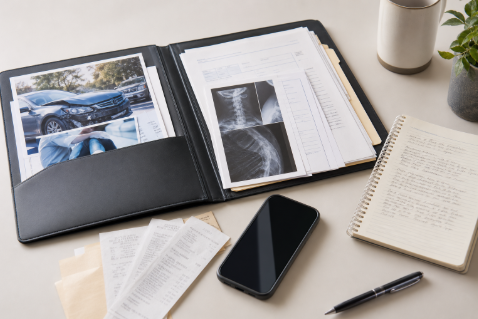
A commercial truck accident can leave people dealing with injuries, vehicle damage, insurance questions, and uncertainty about what happens next. In the first hours, a simple plan can help protect your health and preserve information that may become important later. For additional perspective on accident-related legal concerns, visit quinnlawyers.com.
Every crash is different, and the right next step depends on the severity of injuries, the vehicles involved, and the laws of the jurisdiction where the collision occurred. Still, focusing on safety, medical care, careful documentation, and timely follow-up is a practical starting point after a collision with a tractor-trailer, delivery truck, dump truck, or other commercial vehicle.
Protect Safety At The Scene
If you can do so safely, move yourself and your vehicle away from active traffic. Turn on hazard lights, call 911 if anyone may be injured or if vehicles are creating a road hazard, and wait for emergency personnel. Do not move someone who may have a serious injury unless staying in place creates an immediate danger.
Exchange basic information with the truck driver, including names, phone numbers, license details, insurance information, vehicle plate number, and the name of the trucking company. Commercial vehicles may display a company name and a U.S. Department of Transportation number. Avoid arguments, apologies that could be misunderstood, or guesses about who caused the collision.
See also: Building a Mental Wellness Plan for Illinois Life
Get Prompt Medical Attention
Adrenaline may mask injuries after a crash, so it’s important to accept evaluations from emergency responders and seek medical attention if experiencing pain, dizziness, numbness, headaches, or trouble breathing. For severe symptoms, call emergency services. Follow the provided treatment plan and keep a symptom journal to track pain, sleep issues, medication changes, mobility limits, and daily activities, aiding in recovery without depending on memory later.
Document And Preserve Evidence
Gather evidence only after you are safe and emergency workers have room to do their jobs. Take wide photographs of the scene and closer photographs of vehicle damage, debris, skid marks, lane markings, traffic signs, weather conditions, and visible injuries. Save the original image and video files whenever possible, rather than relying solely on edited versions or screenshots.
Items Worth Saving
- The police report or incident number.
- Names and contact details for independent witnesses.
- Photos, videos, dashcam recordings, and vehicle-camera files.
- Towing, repair, rental-car, pharmacy, and medical records.
- Written notes describing what you saw, heard, and experienced.
- Clothing or personal property that shows damage from the collision.
Write your account of the crash as soon as you are able. Include the date, time, location, direction of travel, weather, traffic conditions, and what happened immediately before impact. A contemporaneous note can be more reliable than reconstructing details much later.
Handle Insurance Communications Carefully
Notify your insurer in accordance with your policy requirements and request a claim number. Provide essential details such as the date, location, vehicles involved, and any known injuries, avoiding speculation about fault or the extent of injuries. Maintain a log of claim interactions, noting date, time, representative’s details, and discussion summaries. Save all related documents. Be cautious of quick settlement offers; they may not cover future costs or complications. Carefully review any release or settlement document before signing, as it may limit further claims.
Understand Commercial Truck Records
Truck collisions may involve various forms of evidence beyond the physical scene, including driver logs, dispatch messages, maintenance records, inspection records, cargo documents, onboard camera footage, and electronic vehicle data. The Federal Motor Carrier Safety Administration states that carriers must maintain accident-reporting information after certain crashes, underscoring the importance of business records. It is advised not to access a truck or its systems independently; instead, preserve personal evidence such as dashcam footage and medical records, and seek professional guidance to ensure the preservation of critical evidence when necessary.
Track Expenses And Lost Income
Create one recovery file for bills, receipts, and work-related records. Accident losses can include more than emergency care. They may involve follow-up treatment, prescriptions, travel to appointments, vehicle repairs, rental transportation, home assistance, and missed work.
What To Include In Your Recovery File
- Medical bills and insurance explanations of benefits.
- Receipts for medication, medical equipment, and transportation.
- Employer notes confirming missed time, reduced duties, or lost pay.
- Repair estimates, towing invoices, and rental-car costs.
- Appointment schedules and recommendations for future treatment.
For example, a warehouse employee with a shoulder injury may be unable to complete lifting duties for weeks or months. Recording missed shifts, restricted duties, treatment visits, and day-to-day limitations helps show how the crash has affected both income and daily life.
Avoid Common Mistakes
- Leaving the scene without a valid emergency reason.
- Delaying medical care despite persistent or new symptoms.
- Posting detailed crash discussions or injury updates on social media.
- Giving inconsistent accounts because you are guessing or rushed.
- Throwing away damaged items or repairing a vehicle before documenting it.
- Ignoring letters, policy deadlines, or requests for information.
- Accepting a settlement before understanding what it covers.
Know When Professional Guidance May Help
Consider seeking professional advice when injuries are serious, fault is disputed, multiple vehicles or companies are involved, a commercial truck caused substantial damage, or an insurer denies or undervalues a claim. Bring a timeline, report number, photos, medical paperwork, insurance correspondence, repair records, and wage-loss documentation to any consultation.
Ask clear questions about fees, communication expectations, likely next steps, and applicable deadlines. Filing deadlines and insurance requirements vary by state and by the type of claim, so prompt, locally informed advice can be important.
Common Questions
Should I Call The Police After A Truck Accident?
Calling law enforcement is particularly important when someone is injured, traffic is blocked, vehicles cannot be driven, property damage is significant, or the facts are disputed. Police crash reports can record basic details while the event is still fresh.
What If I Feel Pain The Next Day?
Seek medical care and tell the provider when the symptoms began. Delayed pain can still require evaluation, and prompt records can help connect your symptoms to the timeline of the crash.
Where Can I Find Neutral Crash Information?
The National Highway Traffic Safety Administration maintains public crash data systems that describe how crash information is collected and used for traffic safety research.
Take One Step At A Time
After a commercial truck accident, begin with safety and medical care. Then preserve evidence, document expenses, communicate carefully with insurers, and keep track of deadlines. A calm, organized response cannot eliminate the challenges of a serious crash, but it can help protect your health, records, and future options.