How Hazardous LED Lighting Performs in High-Temperature and Corrosive Conditions
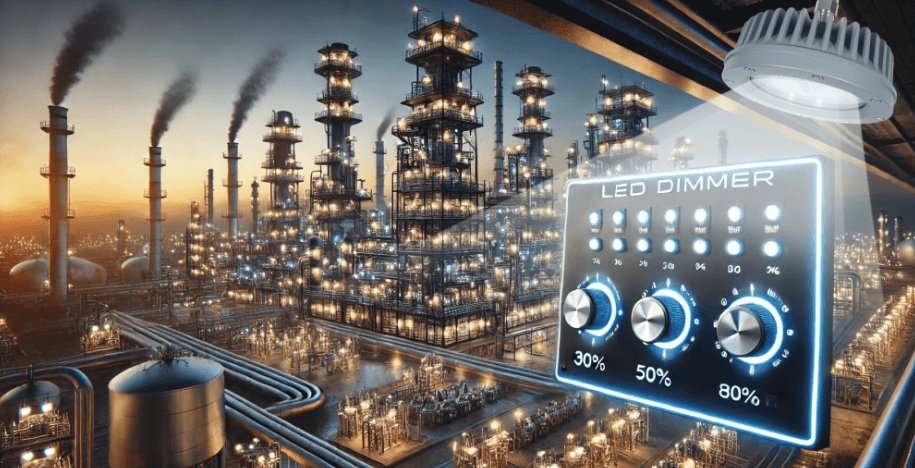
Hazardous area LED lighting handles heat and corrosion through three design features: a T-rated temperature classification that limits surface heat, an IP66 or higher rated enclosure that keeps out moisture and dust, and corrosion-resistant materials such as marine-grade aluminium or 316 stainless steel. Fixtures without all three tend to degrade fast in mining, chemical, or coastal environments.
Quality hazardous led lighting is built with sealed housings, corrosion-resistant materials, and temperature classifications that keep the fixture’s surface below the ignition point of gases or dust in the area. Get any of those three wrong and you’ve got a fixture that looks the part but fails the moment conditions get harsh. This matters most in places like mine sites, refineries, and offshore platforms, where heat and corrosive air aren’t occasional problems, they’re the daily environment.
Why Heat and Corrosion Break Down Standard Lighting
Ordinary commercial LED fittings are built for office ceilings and warehouse aisles, not for 45 degree ambient heat next to a furnace or salty air rolling in off the ocean. Heat accelerates the breakdown of seals and driver components, while corrosive moisture gets into gaps that were never designed to be airtight in the first place. Once a seal fails, dust and moisture get inside the housing, and that’s when a fixture stops being safe to use in a classified zone at all.
Manufacturers that specialise in this space test fixtures under sustained heat and salt spray conditions long before they ever reach a job site, rather than assuming a standard IP rating will hold up. MineGlow is one example of a supplier building fixtures specifically around Australian mining and industrial conditions rather than adapting a general-purpose design after the fact.
IP Ratings and Why They Matter for Corrosive Sites
Ingress Protection ratings describe how well a fixture resists dust and water. For corrosive or high-humidity environments, IP66 is generally the minimum, with IP67 or IP69 preferred where fixtures face washdown, heavy rain, or salt spray on a regular basis.
| IP Rating | Protection Level | Typical Use Case |
| IP65 | Dust protected, low pressure water jets | Indoor industrial areas with minimal washdown |
| IP66 | Dust tight, powerful water jets | Outdoor plants, mining sites, coastal facilities |
| IP67 | Dust tight, temporary immersion | Areas prone to flooding or heavy runoff |
| IP69 | Dust tight, high pressure and steam jet washdown | Food processing, chemical plants, heavy washdown zones |
Materials That Actually Hold Up to Corrosion
Housing material decides how long a fixture lasts once corrosion starts working on it. Standard powder-coated steel looks fine in a catalogue photo but rusts through fast near salt water or acidic vapour. Marine-grade aluminium alloy and 316 stainless steel resist that kind of breakdown far longer, which is why they show up consistently in specifications for coastal and chemical processing sites.
Common Housing Materials Compared
● Standard aluminium: adequate for dry inland sites, weak against salt air
● Marine-grade aluminium (5083 or similar): strong resistance to salt corrosion
● 316 stainless steel: best resistance for chemical and heavy corrosive exposure
● Powder-coated mild steel: budget option, shortest service life in corrosive zones
Explosion Proof Lighting for Hazardous Areas: What the Rating Actually Covers
Explosion proof lighting for hazardous areas is designed so that if an internal spark or arc does occur inside the fixture, it can’t ignite the surrounding atmosphere. This isn’t about preventing sparks entirely, it’s about containing them so flame or heat never reaches flammable gas, vapour, or dust outside the enclosure. Certification bodies test this specifically, and a genuine explosion proof rating means the fixture has passed that containment test, not just a general durability check.
Choosing Between Explosion Proof and Increased Safety Designs
Not every classified zone needs the same protection method. Increased safety designs (Ex e) reduce the chance of a spark occurring in the first place, while explosion proof designs (Ex d) assume a spark might happen and contain it. Zone 1 and Zone 21 areas, where flammable atmospheres are likely during normal operation, generally call for explosion proof lighting rather than increased safety alone.
Explosion Proof LED Lighting Solutions and Long-Term Reliability
Well-built explosion proof LED lighting solutions combine all three factors already covered: correct T-rating, adequate IP protection, and corrosion-resistant housing, along with LED drivers rated for sustained high ambient temperature. Skipping any one of these shortens service life considerably, even if the fixture technically meets certification on paper at the point of installation.
Maintenance Habits That Extend Fixture Life
● Inspect gaskets and seals every six months in corrosive environments
● Check for surface pitting or discolouration on housings during routine rounds
● Confirm mounting hardware hasn’t corroded and loosened over time
● Keep records of fixture temperature readings where thermal cycling is common
● Replace drivers proactively once they approach rated operating life in high-heat zones
See also: Business Acquisition Financing Canada: Funding a Successful Business Purchase
Frequently Asked Questions
1. What is hazardous area LED lighting?
Hazardous area LED lighting is lighting certified for use in zones where flammable gases, vapours, or combustible dust may be present, built to prevent internal faults from igniting the surrounding atmosphere.
2. How does explosion proof lighting differ from regular industrial lighting?
Explosion proof lighting is built to contain any internal spark or heat so it can’t ignite gases or dust outside the fixture. Regular industrial lighting has no such containment and isn’t rated for classified hazardous zones.
3. What T-rating do I need for a mine site with methane risk?
Methane has a relatively low auto-ignition temperature, so fixtures used near methane risk typically need at least a T4 or higher rating. Always confirm the exact gas group classification for the specific site.
4. Can standard LED fixtures be used in corrosive coastal environments?
Not reliably. Standard fixtures usually lack the IP rating and housing material needed to resist salt air, and they tend to corrode and fail well before their expected service life.
5. What IP rating is recommended for offshore or marine lighting?
IP66 is generally the minimum for offshore and marine applications, with IP67 preferred in areas exposed to heavy spray, washdown, or occasional submersion.
6. Does higher temperature always mean a fixture needs a higher T-rating?
Not directly. T-rating is about the maximum surface temperature the fixture itself can reach, which depends on internal heat generation and design, not just ambient site temperature, though high ambient heat does make meeting a strict T-rating harder.
7. How often should hazardous area lighting be inspected?
Most sites inspect fixtures every six months, with more frequent checks in areas with heavy corrosion, vibration, or extreme thermal cycling.
8. Are LED fixtures better than older lighting types for hazardous areas?
Generally yes. LEDs run cooler than older technologies like high-pressure sodium or metal halide, which makes it easier to meet strict T-ratings while also cutting maintenance and replacement frequency.
Final Thoughts
Heat and corrosion don’t ease up because a fixture looks well-made on the shelf. Getting the T-rating, IP rating, and housing material right from the start is what actually determines whether a light survives five years on a mine site or fails within the first eighteen months.
MineGlow has built its reputation supplying fixtures matched to exactly these conditions across Australian mining and industrial sites, rather than relying on general-purpose designs stretched to fit a harsher job. Whatever site you’re specifying for, check the certification paperwork against your actual zone classification before installation, not after something’s already gone wrong.