Building a More Efficient Orthopedic Surgical Workflow
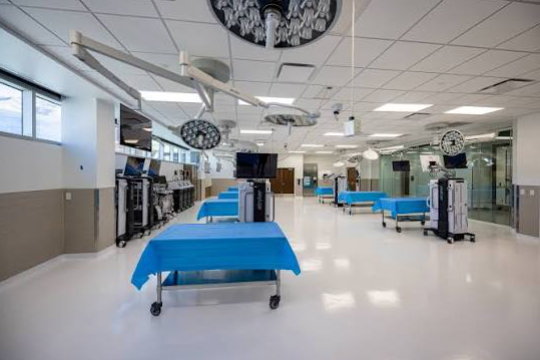
Orthopedic surgery relies on precision, preparation, and dependable instruments. From routine procedures to complex reconstruction, surgical teams require equipment that supports accurate handling while meeting strict clinical and hygiene requirements.
The quality and organization of surgical instruments can influence operating-room efficiency. However, choosing appropriate instruments involves more than evaluating appearance or cost. Medical facilities need to consider procedure requirements, material quality, sterilization, ergonomics, maintenance, and supplier reliability.
Why Surgical Instruments Matter
Orthopedic procedures often involve precise work on bones, joints, and surrounding tissues. Surgeons may require different instruments for cutting, holding, drilling, positioning, measuring, or fixation.
Each instrument has a specific role within the surgical workflow.
Having appropriate equipment available can help reduce unnecessary interruptions and support a more organized procedure.
Types of Orthopedic Instruments
Orthopedic instrument sets can include a wide variety of tools.
Depending on the procedure, these may include:
- Bone cutters
- Retractors
- Surgical forceps
- Drilling instruments
- Measuring tools
- Bone-holding devices
- Screwdrivers
- Specialized fixation instruments
The exact set depends on the procedure and the surgeon’s preferred technique.
See also: When a Shoulder Injury at Work Turns Life Upside Down
Material Quality
Surgical instruments must withstand demanding conditions, including repeated cleaning and sterilization.
Materials need to provide appropriate strength, corrosion resistance, and durability. Stainless steel and other specialized materials are commonly used for medical instruments because they can offer suitable performance when properly manufactured and maintained.
Surface quality is also important. Smooth, well-finished surfaces can support effective cleaning and reduce areas where contaminants might accumulate.
Ergonomic Design
Surgeons and operating-room staff may handle instruments for extended periods. Ergonomic design can therefore contribute to usability.
Handles, grips, weight distribution, and mechanical action should be considered when evaluating instruments.
An instrument that is technically capable but difficult to handle may not provide the same practical value as a well-designed alternative.
Sterilization and Maintenance
Medical instruments must be cleaned and sterilized according to applicable clinical protocols.
Reusable instruments should be inspected for damage, corrosion, wear, or malfunction before being returned to service.
Healthcare facilities should maintain clear procedures for cleaning, sterilization, storage, and inspection.
Proper maintenance can help extend instrument life while supporting patient-safety requirements.
Selecting a Supplier
When evaluating an orthopedic instrument supplier, healthcare organizations should consider product quality, technical documentation, regulatory requirements, manufacturing standards, and after-sales support.
Supplier communication is particularly important when facilities require specialized or customized instrument sets.
A reliable supplier should be able to provide clear product information and support appropriate procurement procedures.
Inventory Management
Hospitals often maintain large inventories of surgical instruments. Without effective organization, staff may spend unnecessary time locating specific tools.
Inventory systems can help track instruments, sets, maintenance schedules, and replacement requirements.
Standardized labeling and storage procedures can further improve efficiency.
Training and Familiarity
Even high-quality instruments require proper handling.
Operating-room staff should understand how instruments are used, cleaned, stored, and inspected.
Training can also help staff identify damaged or malfunctioning equipment before a procedure begins.
FAQs
What should hospitals consider when selecting orthopedic instruments?
They should consider material quality, design, procedure compatibility, durability, sterilization requirements, regulatory compliance, and supplier support.
Why is instrument maintenance important?
Proper maintenance helps preserve performance, detect damage, and support safe reuse where applicable.
Does instrument design affect surgical workflow?
Yes. Ergonomics, handling, organization, and compatibility can all influence operating-room efficiency.
Conclusion
Orthopedic surgical instruments are essential components of modern operating-room workflows. Their quality, design, maintenance, and organization can all influence how efficiently a procedure is performed.
Healthcare facilities should evaluate instruments as part of a complete clinical system, considering not only purchase cost but also durability, usability, sterilization, compliance, and supplier reliability.