Furnace Repairs: Warning Signs, Common Problems, and Smart Solutions
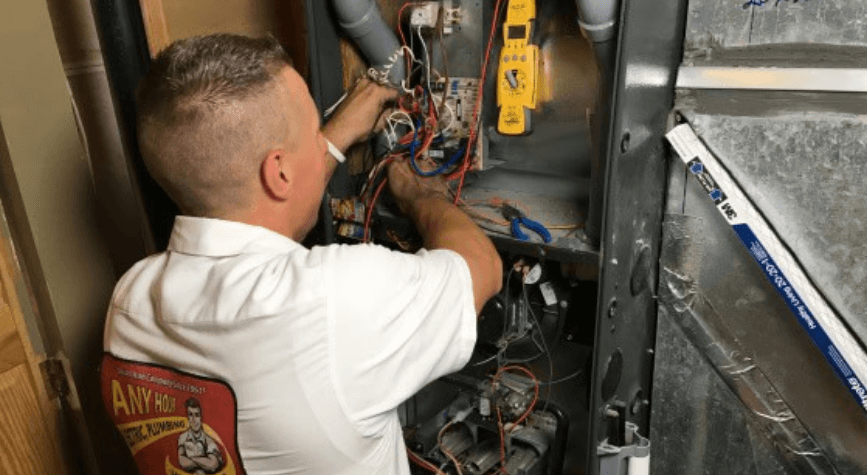
A dependable furnace makes cold weather much easier to handle, but even a well-maintained heating system can develop problems over time. Knowing when furnace repairs are necessary can help homeowners respond before a minor issue turns into a complete heating failure. Strange noises, weak airflow, uneven temperatures, and unusual cycling are often early signs that something within the system needs attention.
Rather than waiting until the furnace stops working completely, homeowners can watch for changes in performance and arrange an inspection when something seems unusual. Timely attention can support comfort, reliability, and smoother heating throughout the colder months.
When Are Furnace Repairs Necessary?
Not every change in indoor temperature means the furnace has a serious problem. Thermostat settings, clogged filters, closed vents, and other simple issues can sometimes affect comfort.
However, when basic checks do not solve the problem, professional furnace repairs may be required. Heating equipment contains electrical controls, mechanical components, airflow systems, and safety devices that require proper diagnosis.
The Furnace Will Not Start
A furnace that does not turn on can have several possible causes. The thermostat may not be communicating correctly, an electrical problem may exist, or an internal component could be preventing normal operation.
Homeowners can check accessible thermostat settings and normal power controls. If the furnace still does not respond, further troubleshooting is appropriate.
Common Furnace Problems Homeowners Experience
Heating systems usually provide warning signs before major problems occur. Paying attention to these symptoms can make it easier to recognize when furnace repairs should be considered.
Some problems affect comfort immediately, while others gradually reduce system performance.
Weak or Uneven Heating
If some rooms remain cold while others become warm, airflow may be part of the problem. Restricted vents, dirty filters, duct-related issues, or blower concerns can affect heat distribution.
A furnace inspection can help determine whether the issue originates within the heating equipment or elsewhere in the home’s airflow system.
Furnace Blowing Cool Air
Air coming from the vents should become appropriately warm during a normal heating cycle. If the system continuously delivers cool or barely warm air, the problem deserves investigation.
Possible causes vary depending on the type and configuration of the heating equipment. Accurate diagnosis is important before furnace repairs are performed.
Frequent Starting and Stopping
A furnace should normally operate in reasonably consistent heating cycles. If it begins turning on and off repeatedly within short periods, something may be interfering with normal operation.
Airflow restrictions, thermostat issues, equipment sizing, or internal controls can contribute to frequent cycling.
Strange Furnace Noises Should Not Be Ignored
Heating equipment naturally makes some noise when starting and operating. However, sudden changes in sound can provide useful clues about developing problems.
Rattling, banging, scraping, squealing, or grinding noises should not simply become part of the background.
Rattling and Vibrations
A persistent rattling sound may come from a loose panel or another component. Because several problems can produce similar sounds, inspection is the best way to determine the source.
Addressing loose or worn parts early may help prevent additional mechanical strain.
Grinding or Scraping Sounds
Grinding and scraping sounds can indicate that moving components are not operating normally.
Continuing to run equipment that produces severe mechanical noises could make the problem worse. In this situation, prompt furnace repairs may help limit further damage.
See also: Key Considerations for Launching a Business in 2026
Why Professional Diagnosis Matters
Replacing a component based only on a symptom can lead to unnecessary work. Many furnace problems create similar warning signs.
For example, weak airflow might be associated with a clogged filter, blower issue, duct restriction, or another system condition. A proper diagnostic process aims to identify the actual cause before corrective work begins.
Electrical and Control Problems
Modern heating equipment relies on several electrical components and controls. Loose connections, damaged components, or control failures can interrupt normal heating cycles.
Because electrical troubleshooting involves additional safety considerations, these problems should be handled appropriately rather than through trial-and-error repairs.
Repair or Replace the Furnace?
Homeowners sometimes wonder whether repeated furnace repairs indicate that replacement should be considered. There is no single answer that applies to every heating system.
Equipment condition, age, repair history, reliability, comfort performance, and overall efficiency should all be evaluated.
Consider the Overall Condition
One isolated repair does not necessarily mean a furnace has reached the end of its useful life. However, repeated failures across several major components can indicate broader deterioration.
A thorough system assessment provides better information for deciding whether continued repairs remain practical.
How Maintenance Can Reduce Repair Problems
Preventive maintenance cannot eliminate every possible breakdown, but it can identify developing issues before they become more disruptive.
Regular filter checks, clear vents, professional inspections, and attention to unusual system behavior all contribute to better heating-system care.
Maintenance also gives homeowners an opportunity to identify wear during planned visits rather than during an unexpected cold-weather failure.
Conclusion
Recognizing furnace problems early can make cold-season heating issues easier to manage. Changes in airflow, unusual noises, inconsistent temperatures, frequent cycling, or startup problems may indicate that furnace repairs are needed. Instead of ignoring these warning signs, timely diagnosis can identify the underlying cause and help restore dependable operation. Combined with routine maintenance and sensible homeowner checks, prompt repairs can support consistent comfort and reliable heating throughout the season.