Common Packaging Challenges in the Produce Industry and How to Solve Them
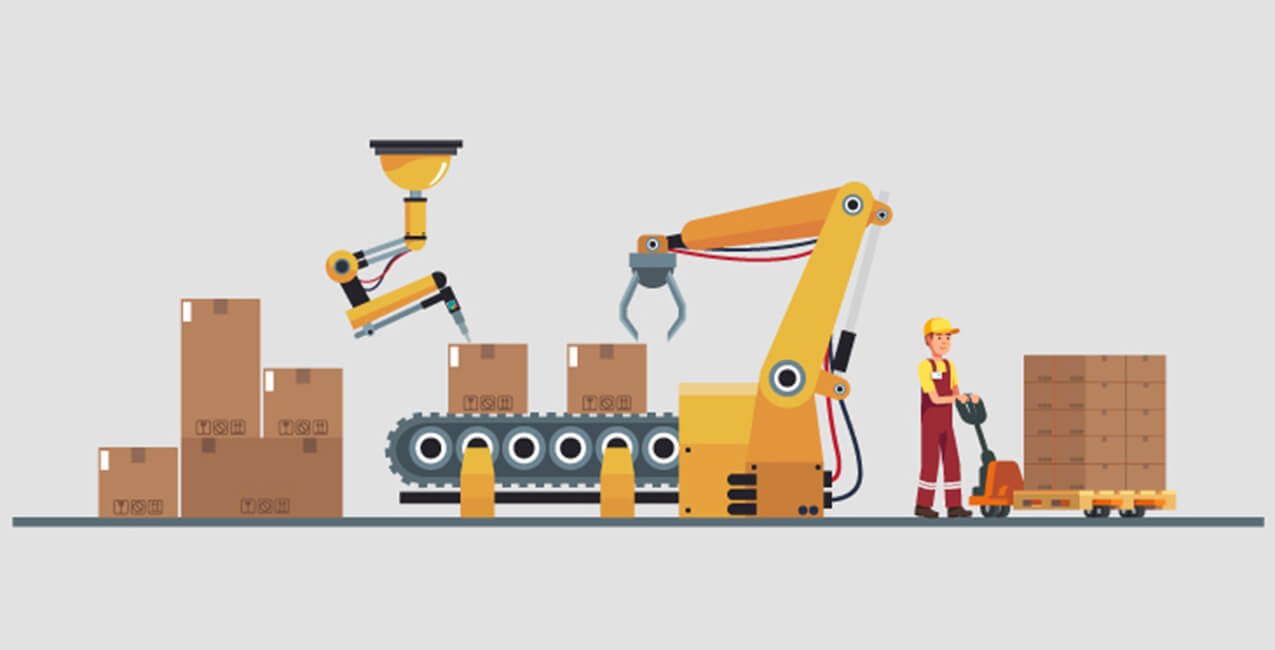
The global produce industry depends on efficient packaging to move fresh fruits and vegetables from farms to consumers. Whether products are transported locally or across international markets, maintaining freshness throughout the supply chain remains a major challenge. Fresh produce is highly sensitive to environmental conditions, making packaging a critical factor in product quality, shelf life, and profitability.
As consumer demand for fresh food continues to grow, growers, distributors, wholesalers, and retailers are looking for better ways to reduce spoilage, improve transportation efficiency, and maintain product integrity. Understanding the most common packaging challenges in the produce industry is the first step toward developing effective solutions.
Why Produce Packaging Is More Complex Than Traditional Packaging
Unlike durable goods, fresh produce continues to respire after harvesting. Fruits and vegetables release moisture, generate heat, and undergo natural biological changes throughout storage and transportation.
Because of this, produce packaging must do much more than simply contain products. It must:
- Protect against physical damage
- Maintain airflow
- Control moisture levels
- Support temperature management
- Preserve freshness
- Improve handling efficiency
Failure in any of these areas can result in significant losses throughout the supply chain.
Challenge 1: Product Spoilage During Transportation
One of the biggest concerns in the produce industry is spoilage during transit.
Fresh fruits and vegetables often travel long distances before reaching consumers. During this journey, products may be exposed to varying temperatures, humidity levels, and handling conditions.
Spoilage commonly occurs because of:
- Poor ventilation
- Excess moisture
- Temperature fluctuations
- Delayed transportation
- Inadequate packaging materials
Solution
Packaging systems should promote proper airflow while protecting products from external damage. Ventilation allows heat and moisture to escape, helping maintain ideal storage conditions throughout transportation.
Combining proper packaging materials with efficient logistics planning can significantly reduce spoilage rates.
Challenge 2: Moisture Accumulation and Condensation
Moisture is one of the leading causes of produce deterioration.
When fresh products release moisture inside sealed packaging, condensation can form. Excess moisture creates an environment that encourages mold growth, bacterial development, and product decay.
This issue becomes even more severe in refrigerated transportation environments where temperature differences contribute to condensation.
Solution
Packaging should be designed to encourage airflow and moisture management.
Effective moisture control helps:
- Reduce mold formation
- Maintain product appearance
- Extend shelf life
- Improve food safety
Ventilated packaging systems are often used to support proper air circulation and minimize condensation-related issues.
See also: Key Considerations for Launching a Business in 2026
Challenge 3: Damage During Handling and Distribution
Produce shipments typically move through multiple stages before reaching retail shelves.
Products may be:
- Loaded and unloaded several times
- Moved through warehouses
- Stored in distribution centers
- Transported on trucks or shipping containers
Each touchpoint increases the risk of physical damage.
Bruising, crushing, and impact damage can reduce product value and customer satisfaction.
Solution
Strong packaging materials combined with secure palletization methods help improve load stability and product protection.
Businesses should evaluate:
- Packaging strength
- Stacking performance
- Pallet configuration
- Transportation conditions
Proper load containment helps reduce movement during shipping and minimizes product damage.
Challenge 4: Maintaining Cold Chain Integrity
Cold chain logistics plays a vital role in produce distribution.
Fresh products often require strict temperature control from harvest through delivery. Even brief interruptions can affect freshness and quality.
Common cold chain challenges include:
- Uneven airflow
- Inconsistent cooling
- Poor pallet configuration
- Inadequate packaging design
Solution
Packaging should support refrigeration systems by allowing consistent airflow around products.
Air circulation helps maintain uniform temperatures throughout palletized loads and improves cooling efficiency.
When airflow is restricted, some products may cool properly while others remain exposed to higher temperatures.
Challenge 5: Rising Transportation Costs
Transportation expenses continue to increase because of:
- Fuel costs
- Labor shortages
- Supply chain disruptions
- Regulatory requirements
As margins become tighter, businesses are searching for ways to improve efficiency.
Solution
Optimized packaging helps maximize available transportation space while maintaining product protection.
Efficient packaging can:
- Improve pallet utilization
- Reduce damaged shipments
- Lower product losses
- Support smoother warehouse operations
Better packaging design contributes directly to improved operational performance.
Challenge 6: Sustainability Expectations
Consumers and retailers increasingly expect environmentally responsible packaging solutions.
Businesses are under pressure to:
- Reduce waste
- Improve recyclability
- Lower environmental impact
- Support sustainable supply chains
Traditional packaging methods may not always align with modern sustainability goals.
Solution
Companies should evaluate packaging materials that balance performance with environmental responsibility.
Sustainable packaging strategies often focus on:
- Material reduction
- Improved efficiency
- Waste minimization
- Product preservation
Reducing food waste is itself an important sustainability objective.
Challenge 7: Maintaining Product Quality Across Long Distances
Global food supply chains often involve transportation across regions, countries, or continents.
Long-distance transportation increases exposure to:
- Temperature changes
- Handling risks
- Moisture accumulation
- Delays
Maintaining consistent quality throughout extended journeys requires careful packaging planning.
Solution
Packaging systems should be selected based on transportation duration, environmental conditions, and product requirements.
Businesses that invest in specialized produce packaging often experience:
- Improved freshness
- Lower spoilage rates
- Better retail presentation
- Increased customer satisfaction
The Importance of Airflow in Produce Packaging
Airflow remains one of the most important factors in preserving fresh produce.
Proper ventilation supports:
- Temperature consistency
- Moisture management
- Product freshness
- Shelf life extension
Many modern packaging systems are specifically designed to enhance airflow while maintaining load stability.
Packaging providers such as Contipack Inc Packaging help businesses evaluate packaging requirements and identify solutions that improve both protection and operational efficiency.
Best Practices for Produce Packaging
Organizations can improve packaging performance by following several key practices:
Understand Product Requirements
Different produce categories have unique storage and transportation needs.
Monitor Environmental Conditions
Temperature and humidity should be monitored throughout the supply chain.
Optimize Pallet Configuration
Proper pallet design improves airflow and load stability.
Invest in Quality Packaging Materials
Reliable packaging reduces damage and improves overall efficiency.
Regularly Review Packaging Performance
Continuous evaluation helps identify improvement opportunities and reduce losses.
Future Developments in Produce Packaging
Packaging innovation continues to evolve as the produce industry faces new challenges.
Emerging developments include:
- Smart packaging technologies
- Advanced moisture-control materials
- Improved airflow designs
- Sustainable packaging solutions
- Enhanced cold chain integration
These innovations are helping businesses improve product quality while meeting changing market demands.
Conclusion
Fresh produce distribution presents a unique set of packaging challenges. Spoilage, moisture accumulation, physical damage, temperature fluctuations, and rising transportation costs all impact profitability and product quality.
By implementing effective packaging strategies, businesses can overcome these obstacles and create more efficient supply chains. Solutions that support airflow, moisture control, and load stability are becoming increasingly important in modern produce logistics.
For companies looking to improve produce transportation performance, packaging technologies such as vented stretch wrap can help enhance airflow while protecting palletized shipments throughout storage and distribution. As supply chains continue to evolve, investing in the right packaging strategy remains one of the most effective ways to reduce waste, improve freshness, and support long-term business success.