How Certified Arborists Help Keep Trees Healthy and Safe
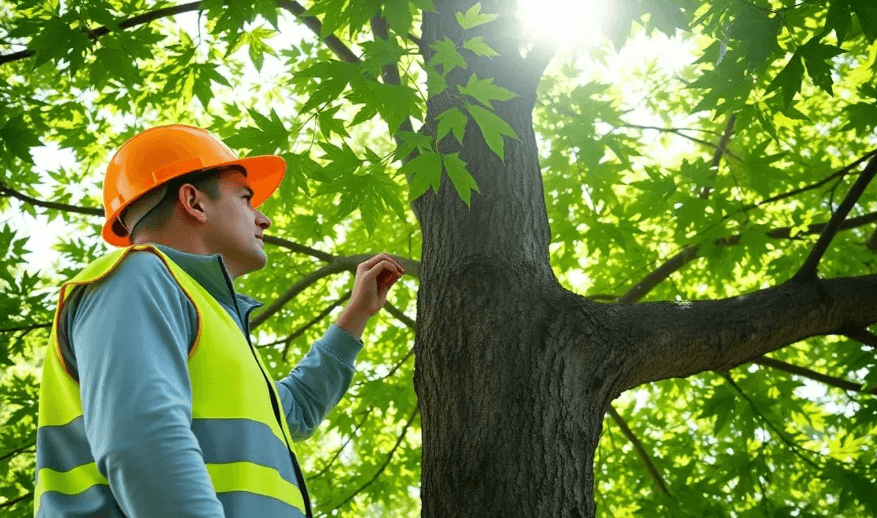
Trees are vital to our environment, providing shade, beauty, and cleaner air, but their health and safety require ongoing attention. Certified arborists play a crucial role in maintaining the well-being of trees in urban and suburban landscapes. Their training allows them to assess tree health, identify potential hazards, and recommend appropriate care strategies. By understanding the unique needs of different tree species and the challenges posed by pests, diseases, and environmental stressors, certified arborists help ensure that trees remain strong and safe for years to come. Their work not only benefits individual property owners but also contributes to healthier communities overall.
What Certified Arborists Do
The Importance of Tree Health Assessments
Certified arborists are trained to conduct thorough tree health assessments, which are essential for identifying issues before they become serious problems. During an assessment, an arborist examines the tree’s structure, foliage, and root system, looking for signs of disease, pest infestations, or environmental stress. They also evaluate the surrounding soil and site conditions, as these factors can significantly impact a tree’s health. By catching problems early, arborists can recommend targeted treatments that may include pruning, soil amendments, or pest management. This proactive approach helps prevent the decline of valuable trees and reduces the risk of property damage or personal injury caused by falling limbs or unstable trees. Regular assessments are especially important in areas where trees are exposed to harsh weather, construction, or other disturbances that can compromise their stability and vitality.
How Arborists Ensure Tree Safety
Tree safety is a major concern for property owners, municipalities, and anyone who enjoys green spaces. Certified arborists are equipped to identify and mitigate hazards that trees may pose, such as weak branches, structural defects, or root problems. They use their knowledge to determine whether a tree can be saved through corrective pruning or cabling, or if removal is necessary to protect people and property. Arborists also advise on proper planting techniques and species selection to minimize future risks. Their recommendations are based on a combination of scientific understanding and practical experience, ensuring that safety measures are both effective and sustainable. By addressing safety concerns promptly, arborists help maintain the integrity of landscapes and reduce the likelihood of accidents, making outdoor spaces safer for everyone. Many property owners trust professionals like Tree Wise Men to provide reliable guidance and services that keep their trees both healthy and secure.
The Role of Preventive Care
Preventive care is a cornerstone of arboriculture, focusing on maintaining tree health to avoid problems before they arise. Certified arborists develop customized care plans that address the specific needs of each tree, taking into account factors such as age, species, and environmental conditions. These plans often include regular inspections, proper watering, mulching, and fertilization to support healthy growth. Arborists also monitor for signs of stress or disease, allowing them to intervene quickly if issues are detected. Preventive care not only extends the lifespan of trees but also enhances their appearance and resilience. By investing in ongoing maintenance, property owners can enjoy the benefits of mature, healthy trees while minimizing the costs and risks associated with neglect. This proactive approach is especially valuable in urban settings, where trees face unique challenges from pollution, limited space, and human activity.
Tree Pruning and Maintenance
Pruning is one of the most important services provided by certified arborists, as it directly impacts both the health and safety of trees. Proper pruning removes dead, diseased, or damaged branches, reducing the risk of decay and improving the tree’s overall structure. Arborists use precise techniques to make cuts that promote healthy regrowth and minimize stress to the tree. They also consider the timing of pruning, as certain species respond better to pruning at specific times of the year. In addition to pruning, arborists may recommend other maintenance practices such as mulching, soil aeration, and pest management to support tree vitality. Regular maintenance not only keeps trees looking their best but also helps prevent problems that could lead to costly repairs or removals. By entrusting tree care to certified professionals, property owners can be confident that their trees will receive the attention they need to thrive.
Urban Trees and Community Benefits
Urban trees provide a wide range of benefits that extend beyond individual properties. They improve air quality, reduce urban heat, and create habitats for wildlife, contributing to healthier and more attractive communities. Certified arborists play a key role in maximizing these benefits by ensuring that urban trees are properly cared for and maintained. They work with city planners, homeowners, and businesses to select appropriate species, manage tree populations, and address challenges such as limited space and soil compaction. Arborists also educate the public about the value of trees and the importance of proper care, fostering a sense of stewardship within the community. Their efforts help create greener, more sustainable cities where residents can enjoy the many advantages that healthy trees provide. By supporting urban forestry initiatives, arborists contribute to the long-term well-being of both people and the environment.
See also: AI Receptionist Are Changing How Businesses Handle Calls
Quick Look: Why Certification Matters
Certification demonstrates that an arborist has met rigorous standards of knowledge and practice in tree care. It assures clients that the arborist is committed to ongoing education and adheres to industry guidelines. This commitment to professionalism helps ensure that trees receive the highest level of care, promoting their health and safety for years to come.
Tree Risk Assessment and Management
Assessing and managing tree risk is a critical responsibility for certified arborists. Trees can develop structural weaknesses due to age, disease, or environmental factors, making them more likely to fail during storms or high winds. Arborists use a combination of visual inspections and advanced tools to evaluate the likelihood of failure and the potential consequences. They then develop management strategies that may include pruning, bracing, or, in some cases, removal. Effective risk management not only protects people and property but also preserves valuable trees whenever possible. Arborists communicate their findings clearly to property owners, helping them make informed decisions about tree care. By taking a systematic approach to risk assessment, arborists help create safer environments while maintaining the ecological and aesthetic benefits that trees provide. Their expertise is especially important in public spaces, where the consequences of tree failure can be significant.
Conclusion
Certified arborists are essential partners in maintaining the health and safety of trees in our communities. Their training and commitment to proper tree care ensure that trees receive the attention they need to thrive, from regular assessments and preventive care to pruning and risk management. By addressing both the immediate and long-term needs of trees, arborists help protect property, enhance landscapes, and support the many environmental benefits that trees offer. Their work fosters safer, greener spaces for everyone to enjoy, making them a valuable resource for homeowners, businesses, and municipalities alike. Investing in professional tree care is an investment in the well-being of both people and the natural world around us.