Optimizing Performance in Industrial Cleaning Processes
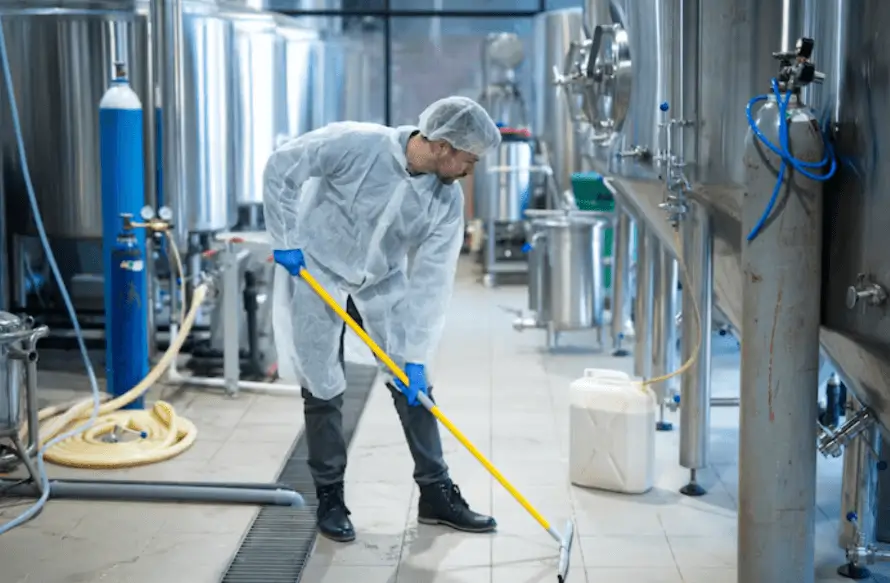
Industrial cleaning plays a critical role in maintaining productivity, safety, and operational reliability across manufacturing plants, food processing facilities, energy infrastructure, and transportation systems. As industries continue to adopt advanced technologies and stricter environmental standards, cleaning processes have become more sophisticated and strategically important. Efficient cleaning procedures help reduce downtime, improve equipment lifespan, support worker safety, and ensure compliance with regulatory requirements.
Modern industrial environments demand cleaning methods that are not only effective but also sustainable and cost-efficient. Companies are increasingly focused on minimizing waste, reducing water and chemical consumption, and improving operational efficiency without compromising cleanliness standards. Optimizing industrial cleaning processes therefore requires a combination of proper planning, advanced equipment, workforce training, and data-driven maintenance strategies.
The Importance of Industrial Cleaning Efficiency
Industrial facilities operate under conditions that often expose equipment and surfaces to contaminants such as grease, oils, dust, chemical residues, carbon buildup, and biological materials. If not properly managed, these contaminants can reduce equipment performance, create hazardous conditions, and increase maintenance costs.
Efficient cleaning processes provide several benefits:
- Reduced operational downtime
- Improved equipment reliability
- Better energy efficiency
- Enhanced workplace safety
- Extended machinery lifespan
- Compliance with health and environmental regulations
In sectors such as food production and pharmaceuticals, cleaning efficiency directly impacts product quality and public safety. In heavy manufacturing and energy production, it helps prevent mechanical failures and costly interruptions.
Understanding Contamination Types
One of the most important aspects of optimizing cleaning performance is identifying the type of contamination involved. Different residues require different cleaning strategies, temperatures, pressures, and cleaning agents.
Organic Contaminants
Organic residues include oils, fats, proteins, and biological matter. These substances are common in food processing, agriculture, and chemical manufacturing environments. They often require specialized detergents or thermal cleaning methods for complete removal.
Inorganic Contaminants
Inorganic contamination includes rust, mineral deposits, metal particles, and scale buildup. These contaminants are commonly found in boilers, pipelines, and cooling systems. Mechanical cleaning and acidic solutions are often used to remove these materials.
Particulate Matter
Dust, ash, soot, and powder accumulation can affect ventilation systems, sensors, and machinery performance. Air filtration systems and vacuum-based cleaning approaches are commonly applied in these situations.
Selecting the Right Cleaning Method
Choosing the appropriate cleaning method is essential for maximizing efficiency while protecting equipment surfaces and minimizing environmental impact.
Mechanical Cleaning
Mechanical cleaning methods use physical force to remove contaminants. Examples include brushing, scraping, abrasive blasting, and high-pressure water systems. These methods are particularly effective for hardened deposits and heavy industrial applications.
High-pressure cleaning systems can remove stubborn residues quickly, but excessive pressure may damage sensitive surfaces. Optimizing nozzle design, pressure levels, and water temperature helps improve performance while reducing resource consumption.
Chemical Cleaning
Chemical cleaning relies on solvents, detergents, acids, or alkaline solutions to dissolve contaminants. This method is widely used in industries where precision cleaning is necessary.
To optimize chemical cleaning processes, facilities should carefully control factors such as:
- Chemical concentration
- Contact time
- Temperature
- Surface compatibility
- Waste management procedures
Using excessive chemicals can increase costs and environmental risks, while insufficient concentrations may reduce cleaning effectiveness.
Thermal Cleaning
Thermal cleaning uses heat to break down residues, oils, and coatings. Steam cleaning is one of the most common thermal methods used in industrial environments because it can sanitize surfaces while minimizing chemical usage.
Heat-based methods are particularly effective in applications where hygiene standards are critical. However, facilities must carefully monitor temperature exposure to prevent equipment damage.
Cryogenic Cleaning
Cryogenic cleaning technologies have gained popularity because they reduce secondary waste and minimize downtime. One increasingly used technique is dry ice blasting, which uses compressed air to propel solid carbon dioxide particles onto contaminated surfaces.
This method is effective for cleaning electrical systems, production equipment, and delicate machinery because it does not introduce moisture and often eliminates the need for disassembly. Additionally, it can reduce cleaning times while improving worker safety in certain industrial settings.
Automation and Smart Technologies
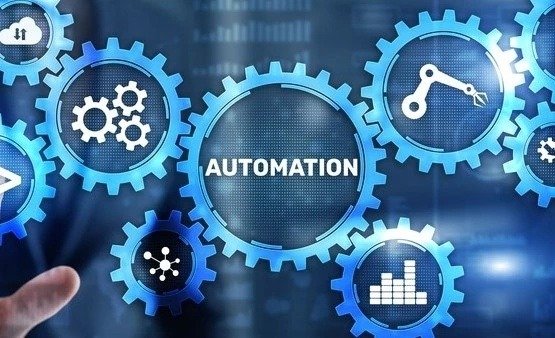
Automation has transformed industrial cleaning by improving consistency, reducing labor demands, and enhancing operational safety. Automated systems can perform repetitive cleaning tasks with greater precision than manual methods.
Robotic Cleaning Systems
Robotic cleaning machines are increasingly used in hazardous or confined environments. These systems can clean tanks, pipelines, reactors, and industrial floors while minimizing worker exposure to dangerous conditions.
Robotic technologies help optimize cleaning performance through:
- Consistent cleaning patterns
- Real-time monitoring
- Reduced human error
- Lower labor costs
- Improved safety compliance
Sensor-Based Monitoring
Modern facilities are integrating sensors into maintenance and cleaning operations to monitor contamination levels and equipment performance. Predictive maintenance systems can identify when cleaning is required before severe buildup occurs.
This data-driven approach helps companies avoid unnecessary cleaning cycles while preventing equipment failures caused by excessive contamination.
Digital Maintenance Platforms
Digital platforms allow operators to track cleaning schedules, analyze efficiency metrics, and document regulatory compliance. These systems improve coordination between maintenance teams and production managers, leading to more efficient workflows.
See also: How Can Plumbing Services Help Prevent Drain and Sewer Backups?
Reducing Water and Chemical Consumption
Sustainability has become a major focus in industrial operations. Many facilities are now seeking ways to reduce water usage and chemical waste without compromising cleaning effectiveness.
Water Recycling Systems
Closed-loop water recycling systems help facilities reuse treated water for cleaning operations. These systems reduce freshwater consumption and lower wastewater disposal costs.
Industries such as mining, manufacturing, and automotive production increasingly rely on water recovery technologies to improve environmental performance.
Precision Chemical Application
Advanced dispensing systems allow operators to apply precise amounts of cleaning agents based on contamination levels. This minimizes waste while improving cleaning consistency.
Accurate dosing systems also reduce employee exposure to hazardous substances and support environmental compliance initiatives.
Alternative Cleaning Media
Some facilities are replacing traditional solvents with environmentally safer alternatives. Biodegradable detergents and non-toxic cleaning compounds are becoming more common as industries seek to reduce environmental impact.
Working with an experienced industrial gas supplier can also support efficiency improvements in processes that rely on compressed gases, cryogenic technologies, or specialized industrial cleaning applications.
Workforce Training and Safety
Even the most advanced cleaning systems require properly trained personnel. Human error remains one of the leading causes of inefficient cleaning operations and workplace accidents.
Standardized Procedures
Creating standardized cleaning protocols helps ensure consistency across shifts and departments. Clear instructions reduce variability and improve cleaning outcomes.
Documentation should include:
- Equipment handling guidelines
- Chemical safety instructions
- Protective equipment requirements
- Inspection procedures
- Waste disposal protocols
Employee Training Programs
Regular training ensures workers understand both operational procedures and safety requirements. Training should cover equipment usage, emergency response measures, and contamination control practices.
Facilities that invest in continuous workforce education often experience fewer accidents and greater operational efficiency.
Personal Protective Equipment
Industrial cleaning environments may expose workers to chemicals, heat, pressurized systems, or airborne contaminants. Appropriate protective equipment is essential for minimizing occupational risks.
Employers should regularly assess workplace hazards and update safety protocols as technologies and processes evolve.
Preventive Maintenance and Cleaning Integration
Industrial cleaning should not operate independently from broader maintenance strategies. Integrating cleaning schedules with preventive maintenance programs improves equipment reliability and reduces operational disruptions.
Routine inspections can identify contamination buildup before it affects production efficiency. Coordinating cleaning activities with planned maintenance shutdowns also minimizes downtime and improves resource allocation.
Facilities that adopt preventive approaches typically experience lower repair costs and longer equipment service life.
Environmental and Regulatory Considerations
Industrial cleaning operations are increasingly regulated due to concerns about wastewater discharge, chemical exposure, and air emissions. Companies must ensure their cleaning procedures comply with local and international environmental standards.
Environmental management strategies may include:
- Wastewater treatment systems
- Air filtration technologies
- Chemical handling controls
- Hazardous waste disposal procedures
- Emissions monitoring programs
Compliance not only reduces legal risks but also strengthens corporate sustainability initiatives and public reputation.
Future Trends in Industrial Cleaning
The future of industrial cleaning is being shaped by automation, sustainability, and data analytics. Facilities are expected to continue investing in technologies that improve efficiency while reducing environmental impact.
Emerging trends include:
- Artificial intelligence for predictive cleaning
- Autonomous robotic systems
- Eco-friendly cleaning materials
- Advanced filtration technologies
- Real-time performance analytics
As industrial processes become more complex, cleaning strategies will increasingly rely on integrated technologies that combine operational efficiency with environmental responsibility.
Conclusion
Optimizing performance in industrial cleaning processes requires a comprehensive approach that combines technology, workforce training, sustainability practices, and preventive maintenance. Effective cleaning strategies improve operational reliability, reduce downtime, enhance workplace safety, and support regulatory compliance.
Industries that invest in modern cleaning solutions and data-driven maintenance systems are better positioned to improve productivity while controlling costs and minimizing environmental impact. By carefully selecting cleaning methods, reducing resource consumption, and integrating automation technologies, organizations can create more efficient and resilient industrial operations for the future.