Why Good Medical Records Can Make or Break a Workers’ Comp Case
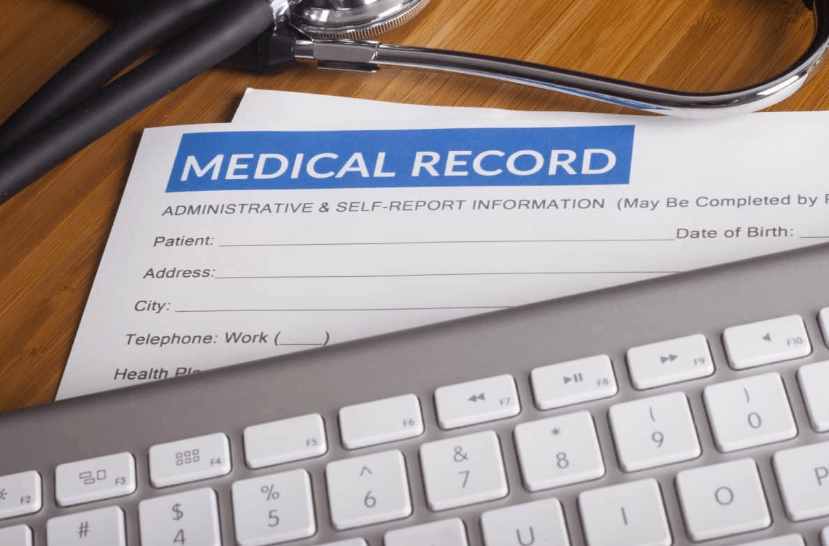
Getting hurt at work can turn life upside down fast. One day, you are doing your job like normal. The next, you may be in pain, missing paychecks, and trying to figure out what comes next. In workers’ comp cases, many people think the most important thing is simply reporting the injury. That does matter, but there is another piece that often decides what happens in the end: medical records, especially when a workers compensation lawyer in san diego, ca is building a case around the facts. Medical records tell the story of an injury in a way that opinions alone cannot. They show when the injury happened, what symptoms appeared, what treatment was needed, and how the injury affected the worker’s ability to do the job. In many cases, these records become the foundation of the entire claim.
Medical records are often the backbone of a claim
When an injured worker files for benefits, the insurance company does not just take their word for it. It usually looks for proof. This is where medical records become so important. These records can connect the injury to the workplace, show how serious it is, and explain whether the person can return to work right away or needs time to heal.
A doctor’s notes may include details about pain, swelling, limited movement, stress, or other symptoms. Test results, treatment plans, and follow-up visits can all help paint a clear picture. If the records are complete and consistent, they can strongly support the worker’s case. If they are missing details or contain errors, the claim can become harder to win.
Fun fact: In many legal and insurance disputes, cases are often decided more by what is written down than by what people later remember saying.
Clear documentation helps connect the injury to the job
One of the biggest questions in a workers’ comp case is whether the injury is truly work-related. That may sound simple, but it is not always easy to prove. Some injuries happen suddenly, like a fall from a ladder or a machine accident. Others build up over time, like back pain from lifting, wrist pain from repeated motion, or stress-related conditions from a difficult work environment.
Medical records help create that link. If a worker tells the doctor right away that the injury happened at work, and the doctor includes that in the chart, that detail can be very helpful later. On the other hand, if the first records do not mention work at all, the insurance company may try to argue that the injury happened somewhere else.
This is why timing matters. Seeking medical care soon after an injury can strengthen a claim. It creates a record close to the event, which often carries more weight than a delayed visit weeks later.
Small details can have a big impact
Many people are surprised by how much a small detail in a medical file can matter. A short line in a doctor’s report about where the pain started, how long it lasted, or what activity caused it can end up playing a major role in the case.
If one record says the worker injured their shoulder lifting boxes at work, but another note says the pain began at home, that conflict may raise questions. Even simple mistakes can cause problems. That is why accuracy matters so much.
Workers should always be honest and clear when speaking with doctors. They should explain how the injury happened, describe all symptoms, and mention every body part that hurts. If something is left out early, it may be harder to add later without facing doubt from the insurance company.
Fun fact: Doctors and hospitals have used written patient records for centuries, although modern electronic records have made it much easier to track changes over time.
Treatment history shows how serious the injury really is
Medical records do more than prove that an injury exists. They also show how much it affects daily life. This can be very important when deciding wage benefits, treatment approval, or long-term support.
For example, records may show that a worker needed physical therapy, pain treatment, surgery, or mental health care after the accident. They may also show whether the person is improving, staying the same, or getting worse. A strong treatment history can make it harder for an insurer to claim that the injury is minor or already healed.
These records may also explain work restrictions. Maybe the worker cannot lift heavy items, stand for long periods, or return to full duty yet. When a doctor puts those limits in writing, it gives the case more support and helps protect the worker from going back too soon.
See also: When a Knee Injury at Work Changes Everything
Gaps in care can hurt a case
Insurance companies often look closely at missed appointments or long breaks in treatment. If someone says they are badly hurt but goes months without seeing a doctor, the insurer may question how severe the injury really is.
Of course, there can be real reasons for gaps in care. Some people cannot get appointments quickly. Others worry about cost, transportation, or taking more time off work. Even so, a gap may still be used against them.
This is one reason workers compensation lawyers can be so valuable. A good lawyer understands how documentation affects a claim and can help injured workers stay on track. They can guide clients on what records matter, how to handle missing information, and how to respond if the insurance company tries to twist the facts. They also know how to work with medical evidence to present the strongest case possible. Seeing where that support is based can also make the next step feel a lot more straightforward:
Workers compensation lawyers help turn records into a stronger case
Medical records matter a lot, but records alone do not always speak for themselves. They need to be understood, organized, and used the right way. That is where workers compensation lawyers often make a real difference.
An experienced lawyer can spot weak points, missing notes, or confusing language before those problems grow. They may help gather extra records, request useful opinions from doctors, and make sure deadlines are met. Just as important, they can stand up for injured workers when insurers try to downplay the medical proof.
Workers compensation lawyers also help people understand what the records actually mean. Many injured workers feel stressed and overwhelmed during the process. Having someone who knows the system can bring peace of mind and confidence at a time when both are badly needed.
Good records help tell a truthful story
At the heart of every workers’ comp claim is a simple question: what really happened, and how has it affected the worker? Medical records help answer that question with facts, timelines, and professional observations.
Strong documentation does not guarantee a perfect outcome, but it can make a huge difference. It can support the truth, protect benefits, and reduce the chance of unfair denial. When workers get proper care, follow treatment plans, and keep their records consistent, they give their case a better chance from the start.
In the end, medical records are more than paperwork. They are the written story of an injury and recovery. And when that story is clear, complete, and backed by skilled workers compensation lawyers, it can become one of the strongest tools an injured worker has.